Support our educational content for free when you purchase through links on our site. Learn more

🚀 7 Proven Tips to Stick to Your Daily Checklist & Build Habits (2026)
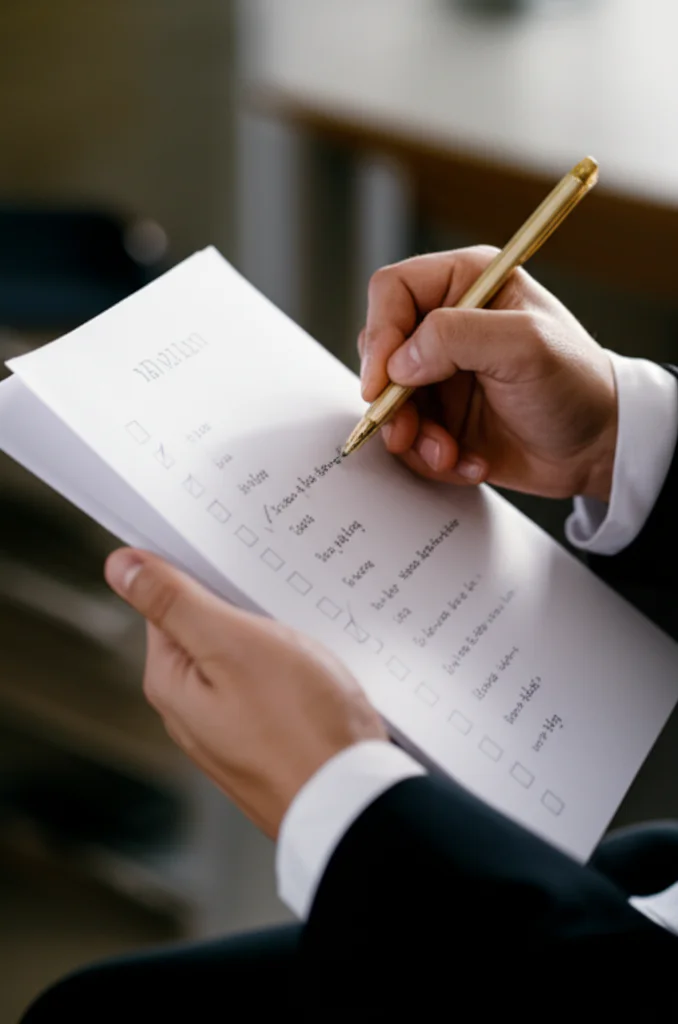
Ever stared at a pristine daily checklist only to watch it gather digital dust by 10 AM? You’re not alone. We’ve all been there, wrestling with the paradox of knowing exactly what to do but feeling utterly paralyzed by the how. At Daily Checklist™, we’ve discovered that the secret isn’t about superhuman willpower; it’s about hacking your brain’s reward system and designing a system that works with your natural rhythms, not against them. In fact, research suggests that people who consistently use structured checklists can boost productivity by up to 25% while significantly lowering stress levels.
But here’s the twist: most checklists fail because they treat every task as a monolithic mountain rather than a series of manageable stepping stones. In this guide, we’re diving deep into 7 proven strategies that transform your to-do list from a source of anxiety into an unbreakable habit loop. From the magic of “habit stacking” to the surprising power of embracing “good enough,” we’ll reveal exactly how to engineer your day for success. Plus, stay tuned for our exclusive breakdown of how tools like Akiflow can automate your routine, turning your checklist into a living, breathing plan that adapts to life’s chaos. Ready to stop dreaming and start doing? Let’s build a checklist that actually sticks.
Key Takeaways
- Start Small to Win Big: Overloading your list is the fastest way to quit; focus on 3-5 non-negotiable tasks to build momentum without triggering decision fatigue.
- Hack Your Brain’s Reward System: Use habit stacking and the two-minute rule to pigyback new actions onto existing routines, making consistency feel effortless.
- Embrace Flexibility Over Perfection: Treat your checklist as a dynamic guide, not a rigid dictator; missing a day is a blip, not a failure, so practice self-compassion.
- Visualize and Gamify: Make your checklist visually engaging with color-coding and emojis, and use “Don’t Break the Chain” streaks to trigger your brain’s dopamine response.
- Leverage Technology Wisely: Utilize tools like Akiflow to automate recurring tasks and unify your calendar, reducing the mental load of remembering what to do next.
Table of Contents
- ⚡️ Quick Tips and Facts
- 📜 The Evolution of the Daily Checklist: From Ancient Scrolls to Digital Habits
- 🧠 Why Your Brain Rebels Against Your To-Do List (And How to Fix It)
- 🚀 7 Proven Strategies to Turn Your Daily Checklist Into an Unbreakable Habit
- 1. The “Two-Minute Rule” for Instant Momentum
- 2. Habit Stacking: Pigybacking on Existing Routines
- 3. Designing a Visual Checklist That Demands Attention
- 4. The Power of Micro-Goals to Prevent Overwhelm
- 5. Leveraging Accountability Partners and Social Pressure
- 6. Gamifying Your Progress with Rewards and Badges
- 7. Embracing the “Good Enough” Philosophy to Avoid Burnout
- 🌅 Morning Checklist to Start Your Day With Laser-Focused Purpose
- 💼 Daily Workday Productivity Checklist to Stay Focused and Efficient
- 🧘 Personal and Wellness Habits to Include in Your Daily Checklist
- 🌙 End of Day Checklist to Reflect, Reset, and Prepare for Tomorrow
- 👨 👩 👧 👦 Daily Checklist Ideas for Family Time and Nurturing Relationships
- 🥗 Meal Planning and Nutrition Checklist to Support Energy and Mental Clarity
- 🛠️ How Akiflow Supports Your Daily Checklist and Habit Formation
- 📊 A Quick Snapshot: The Anatomy of a Perfect Daily Checklist
- 🏆 Conclusion: Build a Checklist That Actually Works for You
- 🔗 Recommended Links
- ❓ Frequently Asked Questions
- 📚 Reference Links
⚡️ Quick Tips and Facts
Ever feel like your to-do list is
more of a “to-don’t” list? You’re not alone! We’ve all been there, staring at a beautifully crafted daily checklist only for it to gather dust by noon. But what if we told you that
sticking to your daily checklist and making it a habit isn’t about superhuman willpower, but rather about smart strategies and a little psychological wizardry? At Daily Checklist™, we’ve seen firsthand how a well-designed checklist can transform chaos into calm
, boosting productivity and slashing stress.
Here are some rapid-fire facts and tips to get your habit-forming journey off to a flying start:
- Productivity Power-Up: Did you know that people
who consistently use daily checklists can be up to 25% more productive and experience significantly less stress? That’s a quarter of your day reclaimed! - The Habit Loop: Habits aren
‘t magic; they’re science! They follow a predictable Cue → Routine → Reward loop. Your checklist can be the “cue,” ticking off a task the “routine,” and the feeling of accomplishment the “reward.” - Brain Boost: Writing tasks down isn’t just for memory. It’s a powerful technique called cognitive offloading, which frees up your mental RAM, reduces decision fatigue, and lets your brain focus on actually
doing the work. - Start Small, Win Big: Overloading your list is a recipe for disaster. Begin with just 3-5 non-negotiable tasks to
build momentum. Think of it as training for a marathon, not a sprint! - Visibility is Key: Out of sight, out of mind! Keep your checklist visible, whether it’s a trusty
notebook, a whiteboard, or a digital task organizer. - The “Don’t Break the Chain” Method: Mark an “X” on a calendar for every day you complete your checklist. The longer
your streak, the more motivated you’ll be to keep it going. One missed day is a blip; two missed days is a pattern. - Buffer Time is Your Best Friend: Life happens
! Always include buffer time for unexpected events. Your checklist is a guide, not a dictator.
📜 The Evolution of the Daily Checklist: From Ancient Scrolls to Digital Habits
Before we dive into the nitty-gritty of making your checklist stick, let’s take a quick ja
unt through history. You might think daily checklists are a modern invention, a byproduct of our hyper-scheduled lives. But the truth is, humans have been relying on external memory aids for millennia!
Imagine ancient scribes meticulously etching their daily duties
onto clay tablets, or medieval monks consulting their illuminated manuscripts for liturgical tasks. These weren’t just records; they were early forms of task management, ensuring critical steps weren’t missed and daily routines were maintained. Fast forward to the industrial
revolution, and checklists became crucial for complex manufacturing processes, ensuring quality control and efficiency. Doctors and pilots, in particular, adopted them to prevent errors in high-stakes environments, famously exemplified by Atul Gawande’s “The Checklist Manifesto”
.
Today, our daily checklists have evolved from dusty scrolls and paper pads to sophisticated digital tools that live in our pockets. We’ve moved from simple reminders to dynamic, interactive systems that can integrate with our calendars,
email, and even smart home devices. This evolution reflects our ongoing quest to simplify our day with daily checklists and harness technology to conquer the ever-growing demands on our time and attention. The core principle, however, remains the same: to off
load cognitive burden and ensure we tackle what truly matters.
🧠 Why
Your Brain Rebels Against Your To-Do List (And How to Fix It)
Ever wonder why your brain seems to actively fight against that perfectly planned daily checklist? It’s not just you! Our brains, magnificent as they are, have
some quirks that can turn even the best intentions into procrastination pitfalls. Understanding these psychological barriers is the first step to overcoming them.
One major culprit is decision fatigue. Every time you look at a long, overwhelming to-do list
, your brain has to make countless decisions: “What should I do first? How long will this take? Do I even want to do this?” This mental taxation drains your willpower, making it harder to start and easier to get
distracted. We’ve all experienced that feeling of paralysis when faced with too many choices, right?
Then there’s the allure of instant gratification. Our brains are wired for immediate rewards. Ticking off a small
, easy task gives us a quick hit of dopamine, a feel-good neurotransmitter. This creates a positive feedback loop that motivates us to keep going. The problem arises when we
only have big, daunting tasks on our list – the reward feels too far away, and our motivation wanes.
Another fascinating phenomenon is the Zeigarnik Effect. This psychological principle states that we tend to remember unfinished or interrupted tasks better
than completed ones. While this can sometimes push us to finish, it can also create a nagging mental tension that contributes to stress if our lists are perpetually overflowing.
So, how do we fix this rebellion? It
‘s about working with your brain, not against it. As our friends in the self-improvement world often say, sustainable personal growth and behavioral change occur through “one degree of change at a time.” Trying
to overhaul everything overnight is like stretching a rubber band too far – it’s bound to snap back. Instead, focus on small, manageable adjustments that are slightly uncomfortable but still “doable.” This incremental approach builds a
stronger, more sustainable foundation for your habits.
🚀 7 Proven Strategies to Turn
Your Daily Checklist Into an Unbreakable Habit
Alright, enough with the brain science! Let’s get practical. Building a daily checklist habit isn’t about perfection; it’s about consistency and finding what truly works for *you
*. We’ve distilled years of experience and consumer insights into these seven powerful strategies that will transform your daily checklist from a wish list into a living, breathing plan.
<a id=”1-the-two-minute-rule-for-
instant-momentum”>1. The “Two-Minute Rule” for Instant Momentum
This gem, popularized by productivity guru James Clear, is a game-changer for overcoming procrastination. If a task takes less than two minutes to complete, **
do it immediately!** Don’t add it to your list; just get it done. For tasks that do go on your checklist, the rule can be adapted: start the task for just two minutes. The goal isn’t to
finish it, but to start.
Think about it:
- Instead of “Write blog post,” your checklist says “Open document for blog post.”
- Instead of “Go for a run,” your checklist says “Put
on running shoes.”
Often, the hardest part is simply starting. Once you’ve invested those two minutes, you’ll find it much easier to continue. This little trick builds momentum and makes your checklist feel less daunting. It
‘s a fantastic life hack for getting over that initial hump!
2.
Habit Stacking: Piggybacking on Existing Routines
Why reinvent the wheel when you can just add a new spoke? Habit stacking means attaching a new habit to an existing one. You already have established routines – brushing your teeth, making
coffee, checking your phone. Use them as triggers for your new checklist items.
The formula is simple: “After [CURRENT HABIT], I will [NEW HABIT].”
- “After I pour my morning coffee, I will
review my daily checklist.” - “After I finish lunch, I will take a 5-minute breathing break.”
- “After I close my laptop for the day, I will draft my top
3 tasks for tomorrow.”
This technique leverages the power of your brain’s existing neural pathways, making the new habit feel less like an effort and more like a natural extension of what you already do.
It’s a cornerstone of effective habit formation.
3. Designing a Visual Checklist That Demands
Attention
Your checklist shouldn’t be a boring block of text. Make it visually appealing and easy to digest! Whether you prefer digital or analog, a well-designed checklist can significantly boost engagement.
Consider:
-
Color-
coding: Assign different colors to categories (e.g., green for wellness, blue for work, yellow for personal). -
Checkboxes (✅ or ❌): The simple act of ticking a box provides that satisfying dopamine hit.
-
White space: Don’t cram too much onto one page or screen. Give your tasks room to breathe.
-
Icons or emojis: A quick visual cue can make a
task more memorable and less intimidating. -
Physical visibility: If using paper, keep it in a prominent spot – next to your coffee maker, on your desk, or even on your fridge. For digital, use
widgets or pin it to your desktop.
A visually engaging checklist isn’t just pretty; it’s a powerful tool for cognitive offloading and reducing decision fatigue. It anchors your day with clarity.
4. The Power of Micro-Goals to Prevent Overwhelm
A common pitfall is putting huge, ambiguous tasks on your checklist
. “Write book” is overwhelming. “Write 200 words for chapter 1” is a micro-goal – achievable, specific, and less intimidating.
Break down larger tasks into their smallest possible components. This
strategy prevents that feeling of being swamped before you even begin.
For example, instead of:
-
❌ “Clean the house”
-
✅ “Clean bathroom sink”
-
✅ “Vacuum living room”
-
✅ “Wipe down kitchen counters”
By focusing on these bite-sized actions, you create a series of small wins throughout your day, each one releasing a little burst of dopamine and propelling you forward. Remember, the objective
is not to check every box, but to stay connected to priorities.
5. Leveraging Accountability Partners and Social Pressure
Sometimes, the best motivation comes from outside ourselves. Accountability systems can be incredibly powerful in keeping you on track.
- Accountability Partner: Share your daily checklist or your top 3 MITs with a friend
, colleague, or family member. Check in with each other regularly. Just knowing someone expects an update can be a huge motivator. Tools like Asana or Todoist allow for easy task sharing and collaboration, perfect for this
. - Public Commitment: For bigger goals, consider sharing them on social media or in a dedicated group. The fear of not following through can be a strong driver!
- Team Tools
: If you’re managing a team, platforms like Trello or ClickUp offer drag-and-drop task management that makes shared accountability seamless.
The human desire to avoid letting others down is
a potent force. Why not harness it for your own good?
6. Gamifying Your Progress with Rewards and Badges
Who says productivity can’t be fun? Turn your daily checklist into a game! Gamification taps into our innate desire for achievement and recognition.
- “Don’t Break the Chain”: As mentioned earlier
, this visual method of marking off days on a calendar creates a compelling streak you won’t want to break. - Reward System: Implement small, non-food rewards for completing milestones. Finished
your checklist for a week straight? Treat yourself to an episode of your favorite show, an hour of guilt-free gaming, or a new book. - Virtual Badges/Points: Many productivity apps incorporate elements like points, levels
, or badges for consistent task completion. Apps like Habitica turn your life into a role-playing game where completing tasks earns you gold and experience points.
Celebrating small wins, no matter how minor, is vital for morale and reinforces the
positive feedback loop your brain craves.
7. Embracing the “Good Enough
” Philosophy to Avoid Burnout
This might sound counterintuitive, but striving for perfection with your daily checklist is a fast track to burnout. Life is unpredictable, and some days, despite your best efforts, you won’t check
every single box. And that’s okay!
- Flexibility over Rigidity: Treat your checklist as a guide, not a dictator. If an unexpected client fire erupts, or a family emergency
arises, it’s perfectly fine to adjust your list. - Re-evaluate, Don’t Abandon: If a task is consistently skipped, don’t just abandon your system. Instead, re-evaluate: Is the
task too large? Is it truly a priority? Does it need to be broken down further? - Self-Compassion: Be kind to yourself. One missed day is a blip; two missed days is
a pattern. If you miss a day, don’t beat yourself up. Just get back on track the next day. As the first YouTube video we mentioned earlier highlights, lasting change isn’t instant, and it’s crucial to
practice mindfulness and appreciate small progress.
The goal is progress, not perfection. Your checklist is a tool for empowerment, not enslavement.
🌅 Morning Checklist to Start Your Day With Laser-Focused Purpose
How you start your day
often dictates how the rest of it unfolds. A well-crafted morning routine and checklist aren’t about being rigid; they’re about setting intentions, reducing decision fatigue, and ensuring you kick off with clarity and purpose. Think
of it as your personal launch sequence for a productive day!
Here’s a sample morning checklist that our team at Daily Checklist™ often recommends, designed to get you moving without feeling rushed:
- Wake Up & Hydrate
(5 minutes) 💧: Before even thinking about your phone, grab a glass of water. It kickstarts your metabolism and rehydrates your body after sleep. - Mindful Moment (5-10 minutes)
🧘 ♀️: Whether it’s meditation, deep breathing, or simply enjoying a quiet cup of coffee, dedicate a few minutes to center yourself. Apps like Calm or Headspace can guide you. This helps transition from a reactive workday
to a proactive agenda. - Review Your Daily Checklist (5 minutes) ✅: This is where the magic happens! Look at your pre-prepared checklist (ideally drafted the night before). Identify your Most
Important Tasks (MITs) – the 2-3 things that must get done today. - Light Movement (10-15 minutes) 🤸 ♀️: A quick
stretch, a short walk, or some yoga. This isn’t a full workout, just enough to get your blood flowing and energize your body. - Nourishing Breakfast (15-20 minutes) 🍎
: Fuel your body with a healthy breakfast. Avoid screens during this time to practice a mini digital detox and be present. - Get Ready & Tidy Up (15-20 minutes) 🚿: Shower
, get dressed, and make your bed. A tidy space contributes to a tidy mind, thanks to the “broken windows theory” principle – small acts of tidiness prevent larger messes and contribute to a sense of control. - Zero Inbox (Optional, 5-10 minutes) 📧: If you must check emails, set a strict timer. The goal isn’t to reply to everything, but to quickly triage and identify anything
urgent that needs to be added to your checklist.
Why this works: By front-loading your day with intentional actions, you’re not just ticking boxes; you’re building a foundation of self-care and focus that will
carry you through the inevitable challenges. How you start your day matters just as much as how you end it.
💼 Daily Workday Productivity Checklist to Stay Focused and Efficient
Once your morning routine has set the stage, it’s time to tackle the workday with precision and purpose. A robust workday efficiency checklist helps you
navigate tasks, minimize distractions, and maximize your output. This isn’t about being busy; it’s about being effective.
Here’s a blueprint for a workday checklist designed to keep you on track:
- Deep
Work Block 1 (90-120 minutes) 🚀: Immediately dive into your Most Important Task (MIT) for the day. This is your “deep work” time – no emails, no social media, no interruptions
. Turn off notifications. This blocking time turns vague intentions into clear commitments. - Tip: Use tools like Focus@Will or the Pomodoro Technique to maintain concentration.
Batch Communication (30 minutes) 📧: After your deep work, dedicate a specific window to check and respond to emails and Slack messages. Avoid constant checking, which leads to decision fatigue and context switching.
- Mid-Morning Task (60 minutes) ✅: Tackle another significant task or a series of smaller, related tasks.
- Mandatory Break (10-15 minutes) 🚶
♀️: Step away from your screen! Go for a short walk, grab a snack, or simply stretch. This is a crucial mental reset to prevent energy crashes. - Lunch Break (20-30 minutes) 🥗: Take a proper lunch break, away from your desk if possible. This isn’t just about eating; it’s about giving your brain a genuine pause.
Deep Work Block 2 / Collaborative Tasks (90-120 minutes) 🤝: Depending on your role, this block could be another deep work session or dedicated to meetings, collaborative projects, or client calls.
*
Batch Communication Round 2 (30 minutes) 💬: Another dedicated time for emails and messages.
- Admin & Quick Wins (30-60 minutes) ⚙️: Handle administrative tasks, quick
follow-ups, or those “two-minute rule” items that accumulated throughout the day. This is a good time to update your personal task planner.
Tools to keep you focused:
- Akiflow: Integr
ates your calendar and tasks into a unified view, preventing overbooking and allowing instant capture of new tasks. - Todoist: Excellent for user-friendly prioritization and strong reminder features, allowing you to share tasks
for accountability. - Trello / ClickUp: Great for visual task management, especially if you work with a team or prefer a Kanban-style board.
The
key here is intentionality. By assigning specific time slots to different types of work, you’re not just reacting to your inbox; you’re proactively shaping your day.
🧘 Personal and Wellness Habits to Include in Your Daily Checklist
Your daily checklist isn’t just for work; it’s for life! Neglecting personal
well-being is a surefire way to burn out, no matter how productive you are. When you treat wellness and personal tasks as part of your daily system, they stop becoming distractions and start becoming intentional parts of your day.
Here’s how to weave essential wellness habits into your daily rhythm:
- Hydration Tracker (Throughout the day) 💧: Make a conscious effort to drink enough water. Track specific metrics like drinking
8 glasses of water. Keep a water bottle handy and refill it regularly. - Movement Breaks (Every 60-90 minutes) 🚶 ♀️: Set a timer to stand up,
stretch, or walk around for 5 minutes. This combats the sedentary nature of desk work and boosts circulation. - Mindful Eating (Lunch & Dinner) 🍎: Plan your meals the night before to prevent energy crashes and
make healthier choices. During meals, truly savor your food. Avoid screens and distractions. - Sunlight Exposure (10-15 minutes) ☀️: Step outside for a few minutes,
especially in the morning. Natural light helps regulate your circadian rhythm and boosts mood. - Gratitude Practice (Evening) 🙏: Before bed, jot down 3 things you’re grateful for. This simple practice can shift your perspective
and improve overall well-being. - Digital Detox (Pre-Bedtime) 📵: Set a hard stop for screen time at least an hour before bed. Blue light interferes with melatonin production, impacting sleep quality. This is a
vital digital detox practice. - Physical Activity (Daily, 30+ minutes) 🏃 ♀️: Aim for at least 30 minutes of moderate-intensity activity most days. Adults need at least 150 minutes
of moderate-intensity aerobic activity per week. This could be a brisk walk, a home workout, or a gym session.
Why it matters: Prioritizing these items on your daily checklist ensures that
your physical and mental health are not afterthoughts, but integral components of your overall productivity and happiness. Remember, a healthy you is a productive you!
🌙 End of Day Checklist to Reflect, Reset, and Prepare for Tomorrow
Just as important as how you start your day is how you end it. An effective end-of-day checklist
isn’t just about wrapping things up; it’s about reflection, mental decluttering, and setting yourself up for a smooth, stress-free start the next morning. This is your “Shutdown Ritual.”
Here
’s our recommended routine for winding down and preparing for success:
-
Review Today’s Checklist (10 minutes) ✅: Go through your daily checklist. What did you accomplish? What’s left? Don’t dwell
on what wasn’t done; simply acknowledge it. This helps with the Zeigarnik Effect, closing those open loops. -
Clear Your Workspace (5-10 minutes) 🧹: T
idy your physical and digital workspace. Close unnecessary tabs, organize files, and put away physical clutter. A clean slate for tomorrow reduces cognitive load. -
Draft Tomorrow’s Top 3 Tasks (5-10 minutes) ✍️: While the day’s information is still fresh, identify your Most Important Tasks (MITs) for the next day. This proactive step saves valuable morning brainpower.
-
Plan for the Unexpected (5 minutes) 🚧: Briefly consider any potential roadblocks or “unexpected client fires” that might arise tomorrow and how you might address them. This builds in crucial buffer time.
-
Quick Journal Entry (5 minutes) 📝: Jot down any thoughts, insights, or lessons learned from the day. This fosters continuous improvement and long-term growth.
-
Prepare
for Tomorrow (10 minutes) 🎒: Lay out clothes, pack your lunch, charge devices, and gather anything else you’ll need for the morning. This “reduce friction” strategy makes starting the next day effortless. -
Disconnect & Relax (30+ minutes) 🛀: Step away from work completely. Engage in a relaxing activity – read a book, listen to music, spend time with family, or take a warm
bath. This signals to your brain that the workday is over.
Why this ritual is powerful: By consciously closing out your day, you prevent work thoughts from spilling into your personal time, improving sleep quality and overall well-being.
It’s about creating a clear boundary between work and rest, ensuring you truly recharge.
👨
👩 👧 👦 Daily Checklist Ideas for Family Time and Nurturing Relationships
In our quest for productivity, it’s easy to let our most important connections take a backseat. But strong relationships are a cornerstone of emotional well-being and even
long-term productivity. Your daily checklist can be a powerful tool for intentionally nurturing your family and personal relationships.
Here are some ideas to integrate into your daily routine:
- Screen-Free Meal
(15-30 minutes) 🍽️: Make at least one meal a day (dinner is often easiest) completely screen-free. Engage in conversation, share about your day, and truly connect. - Dedicated Playtime (15-30 minutes) 🧸: If you have children, dedicate a specific block of time for focused play, reading a book, or helping with homework. Put away your phone and
be fully present. - Reach Out (5 minutes) 📞: Add a task to call or text one friend or family member just to say hello and check in. A small gesture can go a long way in maintaining connections.
- Household Contribution (10-15 minutes) 🧺: Assign and complete a small household chore together or individually. This fosters a sense of shared responsibility and keeps the home environment pleasant.
Evening Wind-Down (15-30 minutes) 📖: For couples, this could be sharing a cup of tea, reading together, or simply talking about your day without distractions. For families, a bedtime story or quiet
conversation.
- Express Appreciation (Daily) ❤️: Make it a habit to express gratitude or appreciation to a family member or loved one. A sincere “thank you” or “I appreciate you” can strengthen bonds.
**
Why this matters:** These small, consistent actions build a strong foundation of connection and support. They remind us that while tasks are important, the people in our lives are invaluable. Your checklist isn’t just about what you do; it’s about
who you are and who you connect with.
🥗 Meal Planning and Nutrition Checklist to
Support Energy and Mental Clarity
What you put into your body directly impacts your energy levels, focus, and overall well-being. A meal planning and nutrition checklist isn’t about restrictive diets; it’s about making intentional choices that support your
daily productivity and health goals.
Here’s how to integrate smart nutrition into your daily checklist:
- Hydration Goal (Throughout the day) 💧: Reiterate your goal to drink enough
water. Perhaps set specific times to refill your Hydro Flask or Stanley tumbler. - Planned Breakfast (Morning) 🍳: Don’t skip breakfast! Have a plan for a balanced meal that includes protein and
fiber to sustain your energy. - Prepped Lunch (Mid-day) 🥪: Pack your lunch the night before. This prevents last-minute, unhealthy choices and ensures you take a proper break away from screens.
- Healthy Snacks (Mid-morning/Mid-afternoon) 🍎: Keep healthy snacks readily available to avoid reaching for sugary treats when hunger strikes. Think fruits, nuts, or yogurt.
- Balanced
Dinner (Evening) 🍲: Plan a dinner that includes a variety of vegetables, lean protein, and whole grains. - Mindful Eating (All meals) 🧘 ♀️: Practice eating slowly, savoring each bite, and paying
attention to your body’s hunger and fullness cues. This aids digestion and prevents overeating. - Limit Processed Foods & Sugar (Daily) ❌: Make a conscious effort to reduce your intake of highly processed foods and added
sugars, which can lead to energy crashes and brain fog. - Supplement Check (If applicable) 💊: If you take vitamins or supplements, add them to your morning or evening checklist to ensure consistency.
Why this boosts
productivity: When your body is properly fueled, your brain functions optimally. You’ll experience fewer energy dips, better concentration, and improved mood, all of which contribute to a more productive and fulfilling day. Think of your body as a high
-performance machine – it needs the right fuel to run efficiently!
🛠️ How Akiflow Supports
Your Daily Checklist and Habit Formation
In the vast ocean of productivity tools, finding one that truly sticks can feel like searching for a unicorn. But sometimes, a tool comes along that genuinely simplifies the process, turning your daily checklist from
a chore into a seamless part of your workflow. Enter Akiflow, a powerful time management and task organization app that our team at Daily Checklist™ has found to be incredibly effective for habit formation and consistent checklist adherence.
Here
‘s our quick rating for Akiflow:
| Feature | Rating (1-10) |
|---|---|
| Design & UI | 9 |
| Functionality | |
| 10 | |
| Habit Building | 9 |
| Integration | 9 |
| Flexibility | 9 |
| Learning Curve | 7 |
| **Overall Value | |
| ** | 9 |
Akiflow isn’t just another to-do list; it’s a command center for your day, designed to turn your checklists into a “living plan.”
Unified View: Your Calendar and Tasks, Hand in Hand
One of Akiflow’s standout features is its unified view. It pulls together all your tasks, events, and meetings from various sources (Google Calendar, Outlook, Todoist, Asana, Slack, Gmail, etc.) into a single, intuitive interface. This eliminates the constant tab-switching and mental juggling, giving you a clear, holistic picture of your day. You can see tasks and your
calendar in one view to prevent overbooking.
Recurring Routines: Automate Your Habits
This is where Akiflow truly shines for habit formation. You can easily set up recurring routines for your
daily checklist items. Want to do your “Morning Review” every day at 8 AM? Set it once, and it will automatically appear on your schedule. Need to schedule your “End of Day Planning” ritual? Akiflow has
you covered. This automation reduces the mental effort required to remember and initiate habits, making consistency much easier.
Instant Capture: Never Forget a Task Again
Ideas, requests, and new tasks can pop up at
any moment. Akiflow’s instant capture feature allows you to quickly convert emails, Slack messages, or even simple thoughts into actionable tasks directly within the app. This prevents those “oh, I’ll remember that later” moments that
often lead to forgotten items. It’s like having a super-efficient assistant for your brain!
Flexibility: Adapt to Your Day
Life is unpredictable, and your checklist needs to be flexible. Akiflow understands
this. You can easily drag and drop tasks to reschedule them, adjust priorities, or move them to another day without losing track. This adaptability means your checklist remains a helpful guide, not a rigid dictator, even
when unexpected events throw a wrench in your plans.
Akiflow for Accountability
While Akiflow isn’t explicitly a team collaboration tool like Asana, its ability to integrate with other platforms means you can still leverage its power
for personal accountability. By having all your tasks visible and scheduled, it’s easier to share your plan with an accountability partner or simply hold yourself to your commitments.
👉 Shop Akiflow on:
- Akiflow Official
Website: https://akiflow.com/
Akiflow is an investment in your productivity, designed to reduce overwhelm and help you build a checklist habit that truly works.
📊 A Quick Snapshot: The Anatomy of a Perfect Daily Checklist
So, what does an ideal daily checklist actually look like?
It’s not about a one-size-fits-all solution, but rather a strategic blend of elements that cater to your unique needs and working style. At Daily Checklist™, we believe the perfect checklist is a dynamic tool for **empowerment
**, not enslavement.
Here’s a quick snapshot of the key components and characteristics that make a daily checklist truly effective:
| Component | Description
⚡️ Quick Tips and Facts
Ever feel like your to-do list is more of a “to-don’t” list? You’re not alone! We’ve
all been there, staring at a beautifully crafted daily checklist only for it to gather dust by noon. But what if we told you that sticking to your daily checklist and making it a habit isn’t about superhuman willpower, but rather about smart
strategies and a little psychological wizardry? At Daily Checklist™, we’ve seen firsthand how a well-designed checklist can transform chaos into calm, boosting productivity and slashing stress.
Here are some rapid-fire
facts and tips to get your habit-forming journey off to a flying start:
-
Productivity Power-Up: Did you know that people who consistently use daily checklists can be up to 25% more productive and experience
significantly less stress? That’s a quarter of your day reclaimed! -
The Habit Loop: Habits aren’t magic; they’re science! They follow a predictable Cue → Routine → Reward
loop. Your checklist can be the “cue,” ticking off a task the “routine,” and the feeling of accomplishment the “reward.” -
Brain Boost: Writing tasks down isn’t just for
memory. It’s a powerful technique called cognitive offloading, which frees up your mental RAM, reduces decision fatigue, and lets your brain focus on actually doing the work. -
Start Small, Win Big: Overloading your list is a recipe for disaster. Begin with just 3-5 non-negotiable tasks to build momentum. Think of it as training for a marathon, not a sprint
! -
Visibility is Key: Out of sight, out of mind! Keep your checklist visible, whether it’s a trusty notebook, a whiteboard, or a digital task organizer.
-
The “Don’t Break the Chain” Method: Mark an “X” on a calendar for every day you complete your checklist. The longer your streak, the more motivated you’ll be to keep
it going. One missed day is a blip; two missed days is a pattern. -
Buffer Time is Your Best Friend: Life happens! Always include buffer time for unexpected events. Your checklist
is a guide, not a dictator.
📜 The
Evolution of the Daily Checklist: From Ancient Scrolls to Digital Habits
Before we dive into the nitty-gritty of making your checklist stick, let’s take a quick jaunt through history. You might think daily checklists are a modern invention,
a byproduct of our hyper-scheduled lives. But the truth is, humans have been relying on external memory aids for millennia!
Imagine ancient scribes meticulously etching their daily duties onto clay tablets, or medieval monks consulting their illuminated manuscripts for liturgical
tasks. These weren’t just records; they were early forms of task management, ensuring critical steps weren’t missed and daily routines were maintained. Fast forward to the industrial revolution, and checklists became crucial for complex manufacturing processes, ensuring
quality control and efficiency. Doctors and pilots, in particular, adopted them to prevent errors in high-stakes environments, famously exemplified by Atul Gawande’s “The Checklist Manifesto”.
Today, our daily checklists
have evolved from dusty scrolls and paper pads to sophisticated digital tools that live in our pockets. We’ve moved from simple reminders to dynamic, interactive systems that can integrate with our calendars, email, and even smart home devices. This evolution reflects
our ongoing quest to simplify our day with daily checklists and harness technology to conquer the ever-growing demands on our time and attention. The core principle, however, remains the same: to offload cognitive burden and ensure we tackle what
truly matters.
🧠 Why Your Brain Rebels Against Your To-Do
List (And How to Fix It)
Ever wonder why your brain seems to actively fight against that perfectly planned daily checklist? It’s not just you! Our brains, magnificent as they are, have some quirks that can turn
even the best intentions into procrastination pitfalls. Understanding these psychological barriers is the first step to overcoming them.
One major culprit is decision fatigue. Every time you look at a long, overwhelming to-do list, your brain
has to make countless decisions: “What should I do first? How long will this take? Do I even want to do this?” This mental taxation drains your willpower, making it harder to start and easier to get distracted. We’ve all experienced that feeling of paralysis when faced with too many choices, right?
Then there’s the allure of instant gratification. Our brains are wired for immediate rewards. Ticking off a small,
easy task gives us a quick hit of dopamine, a feel-good neurotransmitter. This creates a positive feedback loop that motivates us to keep going. The problem arises when we only
have big, daunting tasks on our list – the reward feels too far away, and our motivation wanes.
Another fascinating phenomenon is the Zeigarnik Effect. This psychological principle states that we tend to remember unfinished or interrupted tasks
better than completed ones. While this can sometimes push us to finish, it can also create a nagging mental tension that contributes to stress if our lists are perpetually overflowing.
So, how do we fix this rebellion
? It’s about working with your brain, not against it. As our friends in the self-improvement world often say, sustainable personal growth and behavioral change occur through “one degree of change at a time.” Trying to overhaul everything overnight is like stretching a rubber band too far – it’s bound to snap back. Instead, focus on small, manageable adjustments that are slightly uncomfortable but still “doable.” This incremental approach builds a stronger, more sustainable foundation for your habits.
🚀 7 Proven Strategies to Turn Your Daily Checklist Into an Unbreakable Habit
Alright, enough with the brain science! Let’s get practical. Building a daily checklist habit isn’t about perfection; it’s about
consistency and finding what truly works for you. We’ve distilled years of experience and consumer insights into these seven powerful strategies that will transform your daily checklist from a wish list into a living, breathing plan.
<a
id=”1-the-two-minute-rule-for-instant-momentum”>1. The “Two-Minute Rule” for Instant Momentum
This gem, popularized by productivity guru James Clear, is a game-changer for
overcoming procrastination. If a task takes less than two minutes to complete, do it immediately! Don’t add it to your list; just get it done. For tasks that do go on your checklist, the rule can
be adapted: start the task for just two minutes. The goal isn’t to finish it, but to start.
Think about it:
- Instead of “Write blog post,” your checklist says “Open document for blog
post.” - Instead of “Go for a run,” your checklist says “Put on running shoes.”
Often, the hardest part is simply starting. Once you’ve invested those two minutes, you’ll find it much easier
to continue. This little trick builds momentum and makes your checklist feel less daunting. It’s a fantastic life hack for getting over that initial hump
!
2. Habit Stacking: Piggybacking on Existing Routines
Why reinvent
the wheel when you can just add a new spoke? Habit stacking means attaching a new habit to an existing one. You already have established routines – brushing your teeth, making coffee, checking your phone. Use them as triggers for
your new checklist items.
The formula is simple: “After [CURRENT HABIT], I will [NEW HABIT].”
- “After I pour my morning coffee, I will review my daily checklist.”
- “After
I finish lunch, I will take a 5-minute breathing break.” - “After I close my laptop for the day, I will draft my top 3 tasks for tomorrow.”
This technique leverages the power of your brain’s existing neural pathways, making the new habit feel less like an effort and more like a natural extension of what you already do. It’s a cornerstone of effective habit formation.
- Designing a Visual Checklist That Demands Attention
Your checklist shouldn’t be a boring block of text. Make it visually appealing and easy to digest! Whether you prefer digital or analog, a well-designed checklist can significantly boost engagement
.
Consider:
-
Color-coding: Assign different colors to categories (e.g., green for wellness, blue for work, yellow for personal).
-
Checkboxes (✅ or ❌): The
simple act of ticking a box provides that satisfying dopamine hit. -
White space: Don’t cram too much onto one page or screen. Give your tasks room to breathe.
-
Icons or emojis: A quick visual cue can make a task more memorable and less intimidating.
-
Physical visibility: If using paper, keep it in a prominent spot – next to your coffee maker, on your desk, or even on your fridge. For digital, use widgets or pin it to your desktop.
A visually engaging checklist isn’t just pretty; it’s a powerful tool for cognitive offloading and
reducing decision fatigue. It anchors your day with clarity.
4. The Power
of Micro-Goals to Prevent Overwhelm
A common pitfall is putting huge, ambiguous tasks on your checklist. “Write book” is overwhelming. “Write 200 words for chapter 1” is a micro-
goal – achievable, specific, and less intimidating.
Break down larger tasks into their smallest possible components. This strategy prevents that feeling of being swamped before you even begin.
For example, instead of:
- ❌ ”
Clean the house” - ✅ “Clean bathroom sink”
- ✅ “Vacuum living room”
- ✅ “Wipe down kitchen counters”
By focusing on these bite-sized actions, you create a series of
small wins throughout your day, each one releasing a little burst of dopamine and propelling you forward. Remember, the objective is not to check every box, but to stay connected to priorities.
<a id
=”5-leveraging-accountability-partners-and-social-pressure”>5. Leveraging Accountability Partners and Social Pressure
Sometimes, the best motivation comes from outside ourselves. Accountability systems can be incredibly powerful in keeping
you on track.
- Accountability Partner: Share your daily checklist or your top 3 MITs with a friend, colleague, or family member. Check in with
each other regularly. Just knowing someone expects an update can be a huge motivator. Tools like Asana or Todoist allow for easy task sharing and collaboration, perfect for this.
Public Commitment: For bigger goals, consider sharing them on social media or in a dedicated group. The fear of not following through can be a strong driver!
- Team Tools: If you’re managing a team, platforms
like Trello or ClickUp offer drag-and-drop task management that makes shared accountability seamless.
The human desire to avoid letting others down is a potent force. Why not harness it
for your own good?
6. Gamifying Your Progress with Rewards and Badges
Who says productivity can’t be
fun? Turn your daily checklist into a game! Gamification taps into our innate desire for achievement and recognition.
- “Don’t Break the Chain”: As mentioned earlier, this visual method of marking off days
on a calendar creates a compelling streak you won’t want to break. - Reward System: Implement small, non-food rewards for completing milestones. Finished your checklist for a week straight? Treat
yourself to an episode of your favorite show, an hour of guilt-free gaming, or a new book. - Virtual Badges/Points: Many productivity apps incorporate elements like points, levels, or badges for consistent task completion
. Apps like Habitica turn your life into a role-playing game where completing tasks earns you gold and experience points.
Celebrating small wins, no matter how minor, is vital for morale and reinforces the positive feedback loop your
brain craves.
7. Embracing the “Good Enough” Philosophy
to Avoid Burnout
This might sound counterintuitive, but striving for perfection with your daily checklist is a fast track to burnout. Life is unpredictable, and some days, despite your best efforts, you won’t check every
single box. And that’s okay!
- Flexibility over Rigidity: Treat your checklist as a guide, not a dictator. If an unexpected client fire erupts, or a family emergency arises, it
‘s perfectly fine to adjust your list. - Re-evaluate, Don’t Abandon: If a task is consistently skipped, don’t just abandon your system. Instead, re-evaluate: Is the task too large
? Is it truly a priority? Does it need to be broken down further? - Self-Compassion: Be kind to yourself. One missed day is a blip; two missed days is
a pattern. If you miss a day, don’t beat yourself up. Just get back on track the next day. As the first YouTube video we mentioned earlier highlights, lasting change isn’t instant,
and it’s crucial to practice mindfulness and appreciate small progress.
The goal is progress, not perfection. Your checklist is a tool for empowerment, not ensl
avement.
🌅 Morning Checklist to Start Your Day With Laser-Focused
Purpose
How you start your day often dictates how the rest of it unfolds. A well-crafted morning routine and checklist aren’t about being rigid; they’re about setting intentions, reducing decision fatigue, and ensuring you kick off with
clarity and purpose. Think of it as your personal launch sequence for a productive day!
Here’s a sample morning checklist that our team at Daily Checklist™ often recommends, designed to get you moving without feeling rushed:
Wake Up & Hydrate (5 minutes) 💧:** Before even thinking about your phone, grab a glass of water. It kickstarts your metabolism and rehydrates your body after sleep.
- Mindful Moment (5-10 minutes) 🧘 ♀️: Whether it’s meditation, deep breathing, or simply enjoying a quiet cup of coffee, dedicate a few minutes to center yourself. Apps like Calm or Headspace can guide
you. This helps transition from a reactive workday to a proactive agenda. - Review Your Daily Checklist (5 minutes) ✅: This is where the magic happens! Look at your pre-prepared checklist (ideally drafted the night before). Identify your Most Important Tasks (MITs) – the 2-3 things that must get done today.
- Light Movement (10-15 minutes) 🤸 ♀️: A quick stretch, a short walk, or some yoga. This isn’t a full workout, just enough to get your blood flowing and energize your body.
- Nour
ishing Breakfast (15-20 minutes) 🍎: Fuel your body with a healthy breakfast. Avoid screens during this time to practice a mini digital detox and
be present. - Get Ready & Tidy Up (15-20 minutes) 🚿: Shower, get dressed, and make your bed. A tidy space contributes to a tidy mind, thanks to the “broken
windows theory” principle – small acts of tidiness prevent larger messes and contribute to a sense of control. - Zero Inbox (Optional, 5-10 minutes) 📧: If you
must check emails, set a strict timer. The goal isn’t to reply to everything, but to quickly triage and identify anything urgent that needs to be added to your checklist.
Why this works: By front-loading your day
with intentional actions, you’re not just ticking boxes; you’re building a foundation of self-care and focus that will carry you through the inevitable challenges. How you start your day matters just as much as how you end it.
💼 Daily Workday Productivity Checklist to Stay Focused and Efficient
Once your
morning routine has set the stage, it’s time to tackle the workday with precision and purpose. A robust workday efficiency checklist helps you navigate tasks, minimize distractions, and maximize your output. This isn’t about being busy
; it’s about being effective.
Here’s a blueprint for a workday checklist designed to keep you on track:
- Deep Work Block 1 (90-120 minutes) 🚀: Immediately dive
into your Most Important Task (MIT) for the day. This is your “deep work” time – no emails, no social media, no interruptions. Turn off notifications. This blocking time turns vague intentions into clear commitments. - Tip: Use tools like Focus@Will or the Pomodoro Technique to maintain concentration.
- Batch Communication (30 minutes) 📧: After your deep work, dedicate
a specific window to check and respond to emails and Slack messages. Avoid constant checking, which leads to decision fatigue and context switching. - Mid-Morning Task (60 minutes)
✅: Tackle another significant task or a series of smaller, related tasks. - Mandatory Break (10-15 minutes) 🚶 ♀️: Step away from your screen! Go for a short walk, grab a
snack, or simply stretch. This is a crucial mental reset to prevent energy crashes. - Lunch Break (20-30 minutes) 🥗: Take a proper lunch break,
away from your desk if possible. This isn’t just about eating; it’s about giving your brain a genuine pause. - Deep Work Block 2 / Collaborative Tasks (90-120 minutes) 🤝: Depending on your role, this block could be another deep work session or dedicated to meetings, collaborative projects, or client calls.
- Batch Communication Round 2 (30 minutes)
💬: Another dedicated time for emails and messages. - Admin & Quick Wins (30-60 minutes) ⚙️: Handle administrative tasks, quick follow-ups, or those “two-minute rule” items
that accumulated throughout the day. This is a good time to update your personal task planner.
Tools to keep you focused:
- Akiflow: Integrates your calendar and tasks into a unified view, preventing overbooking and allowing
instant capture of new tasks. - Todoist: Excellent for user-friendly prioritization and strong reminder features, allowing you to share tasks for accountability.
Trello:** Shop Trello on: Amazon | Trello Official Website
The key here is intentionality. By assigning specific time slots to different types of work, you’re not just reacting to your inbox; you’re
proactively shaping your day.
🧘 Personal and Wellness Habits to Include in Your Daily Checklist
Your
daily checklist isn’t just for work; it’s for life! Neglecting personal well-being is a surefire way to burn out, no matter how productive you are. When you treat wellness and personal tasks as part
of your daily system, they stop becoming distractions and start becoming intentional parts of your day.
Here’s how to weave essential wellness habits into your daily rhythm:
- Hydration Tracker
(Throughout the day) 💧: Make a conscious effort to drink enough water. Track specific metrics like drinking 8 glasses of water. Keep a water bottle handy and refill it regularly. - Hydro
Flask: Shop Hydro Flask on: Amazon | Walmart | Hydro Flask Official Website - Stanley: Shop Stanley on: Amazon | Walmart | Stanley Official Website
- Movement Breaks (Every 60-90 minutes)
🚶 ♀️: Set a timer to stand up, stretch, or walk around for 5 minutes. This combats the sedentary nature of desk work and boosts circulation. - Mindful Eating (Lunch & Dinner) 🍎:
Plan your meals the night before to prevent energy crashes and make healthier choices. During meals, truly savor your food. Avoid screens and distractions. - Sunlight Exposure (10-15 minutes) ☀️
: Step outside for a few minutes, especially in the morning. Natural light helps regulate your circadian rhythm and boosts mood. - Gratitude Practice (Evening) 🙏: Before bed, jot down 3 things you’re grateful
for. This simple practice can shift your perspective and improve overall well-being. - Digital Detox (Pre-Bedtime) 📵: Set a hard stop for screen time at least an hour before bed. Blue light interferes
with melatonin production, impacting sleep quality. This is a vital digital detox practice. - Physical Activity (Daily, 30+ minutes) 🏃 ♀️: Aim for at least 30 minutes of moderate-intensity activity most days. Adults need at least 150 minutes of moderate-intensity aerobic activity per week. This could be a brisk
walk, a home workout, or a gym session.
Why it matters: Prioritizing these items on your daily checklist ensures that your physical and mental health are not afterthoughts, but integral components of your overall productivity and happiness.
Remember, a healthy you is a productive you!
🌙 End of Day Checklist to Reflect
, Reset, and Prepare for Tomorrow
Just as important as how you start your day is how you end it. An effective end-of-day checklist isn’t just about wrapping things up; it’s about reflection,
mental decluttering, and setting yourself up for a smooth, stress-free start the next morning. This is your “Shutdown Ritual.”
Here’s our recommended routine for winding down and preparing for success
:
-
Review Today’s Checklist (10 minutes) ✅: Go through your daily checklist. What did you accomplish? What’s left? Don’
t dwell on what wasn’t done; simply acknowledge it. This helps with the Zeigarnik Effect, closing those open loops. -
Clear Your Workspace (5-10 minutes)
🧹: Tidy your physical and digital workspace. Close unnecessary tabs, organize files, and put away physical clutter. A clean slate for tomorrow reduces cognitive load. -
Draft Tomorrow’s Top
3 Tasks (5-10 minutes) ✍️: While the day’s information is still fresh, identify your Most Important Tasks (MITs) for the next day. This proactive step saves valuable morning brainpower. -
Plan for the Unexpected (5 minutes) 🚧: Briefly consider any potential roadblocks or “unexpected client fires” that might arise tomorrow and how you might address them. This builds
in crucial buffer time. -
Quick Journal Entry (5 minutes) 📝: Jot down any thoughts, insights, or lessons learned from the day. This fosters continuous improvement and long-term growth
. -
Prepare for Tomorrow (10 minutes) 🎒: Lay out clothes, pack your lunch, charge devices, and gather anything else you’ll need for the morning. This “reduce
friction” strategy makes starting the next day effortless. -
Disconnect & Relax (30+ minutes) 🛀: Step away from work completely. Engage in a relaxing activity – read a book,
listen to music, spend time with family, or take a warm bath. This signals to your brain that the workday is over.
Why this ritual is powerful: By consciously closing out your day, you prevent work thoughts from spilling into
your personal time, improving sleep quality and overall well-being. It’s about creating a clear boundary between work and rest, ensuring you truly recharge.
👨 👩 👧 👦 Daily Checklist Ideas for Family Time and Nurturing Relationships
In our quest for productivity, it’s easy to let our most important connections take a backseat. But strong
relationships are a cornerstone of emotional well-being and even long-term productivity. Your daily checklist can be a powerful tool for intentionally nurturing your family and personal relationships.
Here are some ideas to integrate into your
daily routine:
- Screen-Free Meal (15-30 minutes) 🍽️: Make at least one meal a day (dinner is often easiest) completely screen-free. Engage in conversation, share about your
day, and truly connect. - Dedicated Playtime (15-30 minutes) 🧸: If you have children, dedicate a specific block of time for focused play, reading a book
, or helping with homework. Put away your phone and be fully present. - Reach Out (5 minutes) 📞: Add a task to call or text one friend or family member just to say hello and check in.
A small gesture can go a long way in maintaining connections. - Household Contribution (10-15 minutes) 🧺: Assign and complete a small household chore together or individually. This fosters
a sense of shared responsibility and keeps the home environment pleasant. - Evening Wind-Down (15-30 minutes) 📖: For couples, this could be sharing a cup of tea, reading together, or simply
talking about your day without distractions. For families, a bedtime story or quiet conversation. - Express Appreciation (Daily) ❤️: Make it a habit to express gratitude or appreciation to a family member or loved one. A sincere ”
thank you” or “I appreciate you” can strengthen bonds.
Why this matters: These small, consistent actions build a strong foundation of connection and support. They remind us that while tasks are important, the people in our lives are
invaluable. Your checklist isn’t just about what you do; it’s about who you are and who you connect with.
🥗 Meal Planning and Nutrition Checklist to Support Energy and Mental Clarity
What you put into your body directly impacts your energy levels, focus, and overall well-being. A meal planning and nutrition
checklist isn’t about restrictive diets; it’s about making intentional choices that support your daily productivity and health goals.
Here’s how to integrate smart nutrition into your daily checklist:
Hydration Goal (Throughout the day) 💧: Reiterate your goal to drink enough water. Perhaps set specific times to refill your Hydro Flask or Stanley tumbler.
- Hydro Flask: Shop Hydro Flask on: Amazon | Walmart | Hydro Flask Official Website
- Stanley: Shop Stanley on: Amazon | Walmart | Stanley Official Website
- Planned Breakfast (Morning) 🍳: Don’t
skip breakfast! Have a plan for a balanced meal that includes protein and fiber to sustain your energy. - Prepped Lunch (Mid-day) 🥪: Pack your lunch the night before. This prevents last-minute,
unhealthy choices and ensures you take a proper break away from screens. - Healthy Snacks (Mid-morning/Mid-afternoon) 🍎: Keep healthy snacks readily available to avoid reaching for sugary
treats when hunger strikes. Think fruits, nuts, or yogurt. - Balanced Dinner (Evening) 🍲: Plan a dinner that includes a variety of vegetables, lean protein, and whole grains.
- Mindful
Eating (All meals) 🧘 ♀️: Practice eating slowly, savoring each bite, and paying attention to your body’s hunger and fullness cues. This aids digestion and prevents overeating. - Limit Processed Foods &
Sugar (Daily) ❌: Make a conscious effort to reduce your intake of highly processed foods and added sugars, which can lead to energy crashes and brain fog. - Supplement Check (If applicable) 💊: If you
take vitamins or supplements, add them to your morning or evening checklist to ensure consistency.
Why this boosts productivity: When your body is properly fueled, your brain functions optimally. You’ll experience fewer energy dips, better concentration, and
improved mood, all of which contribute to a more productive and fulfilling day. Think of your body as a high-performance machine – it needs the right fuel to run efficiently!
🛠️ How Akiflow Supports Your Daily Checklist and Habit Formation
In the vast ocean of productivity tools, finding one that truly sticks can feel like
searching for a unicorn. But sometimes, a tool comes along that genuinely simplifies the process, turning your daily checklist from a chore into a seamless part of your workflow. Enter Akiflow, a powerful time management and task organization app that
our team at Daily Checklist™ has found to be incredibly effective for habit formation and consistent checklist adherence.
Here’s our quick rating for Akiflow:
| Feature | Rating (1-10) |
|---|---|
| Design & UI | 9 |
| Functionality | 10 |
| Habit Building | |
| 9 | |
| Integration | 9 |
| Flexibility | 9 |
| Learning Curve | 7 |
| Overall Value | 9 |
Akif
low isn’t just another to-do list; it’s a command center for your day, designed to turn your checklists into a “living plan.”
Unified View: Your Calendar and Tasks, Hand
in Hand
One of Akiflow’s standout features is its unified view. It pulls together all your tasks, events, and meetings from various sources (Google Calendar, Outlook, Todoist, Asana, Slack, Gmail, etc.) into a single, intuitive interface. This eliminates the constant tab-switching and mental juggling, giving you a clear, holistic picture of your day. You can see tasks and your calendar in one view to prevent overbooking.
Recurring Routines: Automate Your Habits
This is where Akiflow truly shines for habit formation. You can easily set up recurring routines for your daily checklist items. Want to do your “Morning
Review” every day at 8 AM? Set it once, and it will automatically appear on your schedule. Need to schedule your “End of Day Planning” ritual? Akiflow has you covered. This
automation reduces the mental effort required to remember and initiate habits, making consistency much easier.
Instant Capture: Never Forget a Task Again
Ideas, requests, and new tasks can pop up at any moment. Akiflow’s **
instant capture** feature allows you to quickly convert emails, Slack messages, or even simple thoughts into actionable tasks directly within the app. This prevents those “oh, I’ll remember that later” moments that often lead to forgotten items. It’s like having a super-efficient assistant for your brain!
Flexibility: Adapt to Your Day
Life is unpredictable, and your checklist needs to be flexible. Akiflow understands this. You can
easily drag and drop tasks to reschedule them, adjust priorities, or move them to another day without losing track. This adaptability means your checklist remains a helpful guide, not a rigid dictator, even when unexpected events throw a
wrench in your plans.
Akiflow for Accountability
While Akiflow isn’t explicitly a team collaboration tool like Asana, its ability to integrate with other platforms means you can still leverage its power for personal accountability. By
having all your tasks visible and scheduled, it’s easier to share your plan with an accountability partner or simply hold yourself to your commitments.
👉 Shop Akiflow on:
- Akiflow Official Website: https://akiflow.com/
Akiflow is an investment in your productivity, designed to reduce overwhelm and help you build a checklist habit that truly works.
📊 A Quick Snapshot: The Anatomy of a Perfect Daily Checklist
So, what does an ideal daily checklist actually look like?
It’s not about a one-size-fits-all solution, but rather a strategic blend of elements that cater to your unique needs and working style. At Daily Checklist™, we believe the perfect checklist is a dynamic tool for emp
owerment, not enslavement.
Here’s a quick snapshot of the key components and characteristics that make a daily checklist truly effective:
| Component | Description
⚡️ Quick Tips and Facts
Ever feel like your to-do list is more of a “to-don’t” list? You’re not alone! We’
ve all been there, staring at a beautifully crafted daily checklist only for it to gather dust by noon. But what if we told you that sticking to your daily checklist and making it a habit isn’t about superhuman willpower, but rather about
smart strategies and a little psychological wizardry? At Daily Checklist™, we’ve seen firsthand how a well-designed checklist can transform chaos into calm, boosting productivity and slashing stress.
Here are some rapid-
fire facts and tips to get your habit-forming journey off to a flying start:
- Productivity Power-Up: Did you know that people who consistently use daily checklists can be up to 25% more productive and experience
significantly less stress? That’s a quarter of your day reclaimed! - The Habit Loop: Habits aren’t magic; they’re science! They follow a predictable Cue → Routine →
Reward loop. Your checklist can be the “cue,” ticking off a task the “routine,” and the feeling of accomplishment the “reward.” - Brain Boost: Writing tasks down isn’t
just for memory. It’s a powerful technique called cognitive offloading, which frees up your mental RAM, reduces decision fatigue, and lets your brain focus on actually doing the work. - Start Small, Win Big: Overloading your list is a recipe for disaster. Begin with just 3-5 non-negotiable tasks to build momentum. Think of it as training for a marathon, not
a sprint! - Visibility is Key: Out of sight, out of mind! Keep your checklist visible, whether it’s a trusty notebook, a whiteboard, or a digital task organizer.
- The “Don’t Break the Chain” Method: Mark an “X” on a calendar for every day you complete your checklist. The longer your streak, the more motivated you’ll be
to keep it going. One missed day is a blip; two missed days is a pattern. - Buffer Time is Your Best Friend: Life happens! Always include buffer time for unexpected events.
Your checklist is a guide, not a dictator.
📜 The Evolution of the Daily Checklist: From Ancient Scrolls to Digital Habits
Before we dive into the nitty-gritty of making your checklist stick, let’s take a quick jaunt through history. You might think
daily checklists are a modern invention, a byproduct of our hyper-scheduled lives. But the truth is, humans have been relying on external memory aids for millennia!
Imagine ancient scribes meticulously etching their daily duties onto clay tablets, or medieval
monks consulting their illuminated manuscripts for liturgical tasks. These weren’t just records; they were early forms of task management, ensuring critical steps weren’t missed and daily routines were maintained. Fast forward to the industrial revolution, and checklists became
crucial for complex manufacturing processes, ensuring quality control and efficiency. Doctors and pilots, in particular, adopted them to prevent errors in high-stakes environments, famously exemplified by Atul Gawande’s “The Checklist Manifesto”.
Today, our daily checklists have evolved from dusty scrolls and paper pads to sophisticated digital tools that live in our pockets. We’ve moved from simple reminders to dynamic, interactive systems that can integrate with our calendars, email, and even
smart home devices. This evolution reflects our ongoing quest to simplify our day with daily checklists and harness technology to conquer the ever-growing demands on our time and attention. The core principle, however, remains the same: to offload
cognitive burden and ensure we tackle what truly matters.
🧠 Why
Your Brain Rebels Against Your To-Do List (And How to Fix It)
Ever wonder why your brain seems to actively fight against that perfectly planned daily checklist? It’s not just you! Our brains, magnificent as they
are, have some quirks that can turn even the best intentions into procrastination pitfalls. Understanding these psychological barriers is the first step to overcoming them.
One major culprit is decision fatigue. Every time you look at a long,
overwhelming to-do list, your brain has to make countless decisions: “What should I do first? How long will this take? Do I even want to do this?” This mental taxation drains your willpower, making it harder to
start and easier to get distracted. We’ve all experienced that feeling of paralysis when faced with too many choices, right?
Then there’s the allure of instant gratification. Our brains are wired for immediate
rewards. Ticking off a small, easy task gives us a quick hit of dopamine, a feel-good neurotransmitter. This creates a positive feedback loop that motivates us to keep going. The problem arises when we only have big, daunting tasks on our list – the reward feels too far away, and our motivation wanes.
Another fascinating phenomenon is the Zeigarnik Effect. This psychological principle states that
we tend to remember unfinished or interrupted tasks better than completed ones. While this can sometimes push us to finish, it can also create a nagging mental tension that contributes to stress if our lists are perpetually overflowing.
So, how do we fix this rebellion? It’s about working with your brain, not against it. As our friends in the self-improvement world often say, sustainable personal growth and behavioral change occur through “one degree of
change at a time.” Trying to overhaul everything overnight is like stretching a rubber band too far – it’s bound to snap back. Instead, focus on small, manageable adjustments that are slightly uncomfortable but still ”
doable.” This incremental approach builds a stronger, more sustainable foundation for your habits.
🚀 7 Proven Strategies to Turn Your Daily Checklist Into an Unbreakable Habit
Alright, enough with the brain science! Let’s get practical. Building a daily checklist habit isn’
t about perfection; it’s about consistency and finding what truly works for you. We’ve distilled years of experience and consumer insights into these seven powerful strategies that will transform your daily checklist from a wish list into a living
, breathing plan.
1. The “Two-Minute Rule” for Instant Momentum
This gem, popularized by productivity guru James
Clear, is a game-changer for overcoming procrastination. If a task takes less than two minutes to complete, do it immediately! Don’t add it to your list; just get it done. For tasks that do
go on your checklist, the rule can be adapted: start the task for just two minutes. The goal isn’t to finish it, but to start.
Think about it:
- Instead of “Write blog post,”
your checklist says “Open document for blog post.” - Instead of “Go for a run,” your checklist says “Put on running shoes.”
Often, the hardest part is simply starting. Once you’ve invested those two minutes
, you’ll find it much easier to continue. This little trick builds momentum and makes your checklist feel less daunting. It’s a fantastic life hack for getting over that initial hump!
2. Habit Stacking: Piggy
backing on Existing Routines
Why reinvent the wheel when you can just add a new spoke? Habit stacking means attaching a new habit to an existing one. You already have established routines – brushing your teeth, making coffee, checking
your phone. Use them as triggers for your new checklist items.
The formula is simple: “After [CURRENT HABIT], I will [NEW HABIT].”
- “After I pour my morning coffee, I will review my
daily checklist.” - “After I finish lunch, I will take a 5-minute breathing break.”
- “After I close my laptop for the day, I will draft my top
3 tasks for tomorrow.”
This technique leverages the power of your brain’s existing neural pathways, making the new habit feel less like an effort and more like a natural extension of what you already do. It
‘s a cornerstone of effective habit formation.
<a id=”3-designing-a-visual-checklist-
that-demands-attention”>3. Designing a Visual Checklist That Demands Attention
Your checklist shouldn’t be a boring block of text. Make it visually appealing and easy to digest! Whether you prefer digital or analog, a
well-designed checklist can significantly boost engagement.
Consider:
- Color-coding: Assign different colors to categories (e.g., green for wellness, blue for work, yellow for personal).
- Checkboxes
(✅ or ❌): The simple act of ticking a box provides that satisfying dopamine hit. - White space: Don’t cram too much onto one page or screen.
Give your tasks room to breathe. - Icons or emojis: A quick visual cue can make a task more memorable and less intimidating.
- Physical visibility: If using paper, keep it in a prominent spot – next
to your coffee maker, on your desk, or even on your fridge. For digital, use widgets or pin it to your desktop.
A visually engaging checklist isn’t just pretty; it’s a powerful
tool for cognitive offloading and reducing decision fatigue. It anchors your day with clarity.
<a id=”4-the-power-of-micro-goals-to-prevent-over
whelm”>4. The Power of Micro-Goals to Prevent Overwhelm
A common pitfall is putting huge, ambiguous tasks on your checklist. “Write book” is overwhelming. “Write 200 words for chapter
1” is a micro-goal – achievable, specific, and less intimidating.
Break down larger tasks into their smallest possible components. This strategy prevents that feeling of being swamped before you even begin.
For example,
instead of:
- ❌ “Clean the house”
- ✅ “Clean bathroom sink”
- ✅ “Vacuum living room”
- ✅ “Wipe down kitchen counters”
By focusing on these bite-
sized actions, you create a series of small wins throughout your day, each one releasing a little burst of dopamine and propelling you forward. Remember, the objective is not to check every box, but to stay connected to priorities.
5. Leveraging Accountability Partners and Social Pressure
Sometimes, the best motivation comes from outside ourselves. Accountability
systems can be incredibly powerful in keeping you on track.
- Accountability Partner: Share your daily checklist or your top 3 MITs with a
friend, colleague, or family member. Check in with each other regularly. Just knowing someone expects an update can be a huge motivator. Tools like Asana or Todoist allow for easy task sharing and collaboration, perfect for
this. - Public Commitment: For bigger goals, consider sharing them on social media or in a dedicated group. The fear of not following through can be a strong driver!
- Team
Tools: If you’re managing a team, platforms like Trello or ClickUp offer drag-and-drop task management that makes shared accountability seamless.
The human desire to avoid letting
others down is a potent force. Why not harness it for your own good?
6. Gamifying Your Progress with Rewards
and Badges
Who says productivity can’t be fun? Turn your daily checklist into a game! Gamification taps into our innate desire for achievement and recognition.
- “Don’t Break the Chain”:
As mentioned earlier, this visual method of marking off days on a calendar creates a compelling streak you won’t want to break. - Reward System: Implement small, non-food rewards for completing
milestones. Finished your checklist for a week straight? Treat yourself to an episode of your favorite show, an hour of guilt-free gaming, or a new book. - Virtual Badges/Points: Many productivity apps incorporate elements
like points, levels, or badges for consistent task completion. Apps like Habitica turn your life into a role-playing game where completing tasks earns you gold and experience points.
Celebrating small wins, no matter how minor, is vital for
morale and reinforces the positive feedback loop your brain craves.
7.
Embracing the “Good Enough” Philosophy to Avoid Burnout
This might sound counterintuitive, but striving for perfection with your daily checklist is a fast track to burnout. Life is unpredictable, and some days, despite your best
efforts, you won’t check every single box. And that’s okay!
- Flexibility over Rigidity: Treat your checklist as a guide, not a dictator. If an unexpected client fire erupts, or a family emergency arises, it’s perfectly fine to adjust your list.
- Re-evaluate, Don’t Abandon: If a task is consistently skipped, don’t just abandon your system. Instead
, re-evaluate: Is the task too large? Is it truly a priority? Does it need to be broken down further? - Self-Compassion: Be kind to yourself. One missed
day is a blip; two missed days is a pattern. If you miss a day, don’t beat yourself up. Just get back on track the next day. As the first YouTube video we mentioned earlier highlights
, lasting change isn’t instant, and it’s crucial to practice mindfulness and appreciate small progress.
The goal is progress, not perfection. Your checklist is a tool
for empowerment, not enslavement.
🌅 Morning Checklist
to Start Your Day With Laser-Focused Purpose
How you start your day often dictates how the rest of it unfolds. A well-crafted morning routine and checklist aren’t about being rigid; they’re about setting intentions,
reducing decision fatigue, and ensuring you kick off with clarity and purpose. Think of it as your personal launch sequence for a productive day!
Here’s a sample morning checklist that our team at Daily Checklist™ often recommends, designed to get
you moving without feeling rushed:
-
Wake Up & Hydrate (5 minutes) 💧: Before even thinking about your phone, grab a glass of water. It kickstarts your metabolism and rehydrates your body after sleep
. -
Mindful Moment (5-10 minutes) 🧘 ♀️: Whether it’s meditation, deep breathing, or simply enjoying a quiet cup of coffee, dedicate a few minutes to center yourself. Apps like **
Calm** or Headspace can guide you. This helps transition from a reactive workday to a proactive agenda. -
Review Your Daily Checklist (5 minutes) ✅: This is where the magic
happens! Look at your pre-prepared checklist ( ideally drafted the night before). Identify your Most Important Tasks (MITs) – the 2-3 things that must get done today. -
Light Movement (10-15 minutes) 🤸 ♀️: A quick stretch, a short walk, or some yoga. This isn’t a full workout, just enough to get your blood flowing and energize your
body. -
Nourishing Breakfast (15-20 minutes) 🍎: Fuel your body with a healthy breakfast. Avoid screens during this time to practice a mini digital detox and be present.
-
Get Ready & Tidy Up (15-20 minutes) 🚿: Shower, get dressed, and make your bed. A tidy space
contributes to a tidy mind, thanks to the “broken windows theory” principle – small acts of tidiness prevent larger messes and contribute to a sense of control. -
Zero Inbox (Optional,5-10 minutes) 📧: If you must check emails, set a strict timer. The goal isn’t to reply to everything, but to quickly triage and identify anything urgent that needs to be added to your checklist.
Why this works: By front-loading your day with intentional actions, you’re not just ticking boxes; you’re building a foundation of self-care and focus that will carry you through the inevitable challenges. How you start your
day matters just as much as how you end it.
💼 Daily Work
day Productivity Checklist to Stay Focused and Efficient
Once your morning routine has set the stage, it’s time to tackle the workday with precision and purpose. A robust workday efficiency checklist helps you navigate tasks, minimize distractions, and
maximize your output. This isn’t about being busy; it’s about being effective.
Here’s a blueprint for a workday checklist designed to keep you on track:
- Deep Work Block 1 (90-120 minutes) 🚀: Immediately dive into your Most Important Task (MIT) for the day. This is your “deep work” time – no emails, no social media, no interruptions. Turn off notifications. This
blocking time turns vague intentions into clear commitments. - Tip: Use tools like Focus@Will or the Pomodoro Technique to maintain concentration.
- Batch Communication (30 minutes) 📧: After your deep work, dedicate a specific window to check and respond to emails and Slack messages. Avoid constant checking, which leads to decision fatigue and context switching.
Mid-Morning Task (60 minutes) ✅: Tackle another significant task or a series of smaller, related tasks.
- Mandatory Break (10-15 minutes) 🚶 ♀️: Step away from
your screen! Go for a short walk, grab a snack, or simply stretch. This is a crucial mental reset to prevent energy crashes. - Lunch Break (20-30 minutes) 🥗: Take a proper lunch break, away from your desk if possible. This isn’t just about eating; it’s about giving your brain a genuine pause.
- Deep
Work Block 2 / Collaborative Tasks (90-120 minutes) 🤝: Depending on your role, this block could be another deep work session or dedicated to meetings, collaborative projects, or client calls.
Batch Communication Round 2 (30 minutes) 💬:** Another dedicated time for emails and messages.
- Admin & Quick Wins (30-60 minutes) ⚙️: Handle administrative tasks, quick follow-
ups, or those “two-minute rule” items that accumulated throughout the day. This is a good time to update your personal task planner.
Tools to keep you focused:
- Akiflow: Integrates
your calendar and tasks into a unified view, preventing overbooking and allowing instant capture of new tasks. - Todoist: Excellent for user-friendly prioritization and strong reminder features, allowing you to share
tasks for accountability. - Trello: Shop Trello on: Amazon | Walmart | Trello Official Website
- ClickUp: Shop ClickUp on: ClickUp Official Website
The key here is intentionality. By assigning specific time slots to different types of work, you’re not just reacting to your inbox; you’re proactively shaping your day.
🧘 Personal and Wellness Habits to Include in Your Daily Checklist
Your daily checklist isn’t just for work;
it’s for life! Neglecting personal well-being is a surefire way to burn out, no matter how productive you are. When you treat wellness and personal tasks as part of your daily system, they stop becoming
distractions and start becoming intentional parts of your day.
Here’s how to weave essential wellness habits into your daily rhythm:
- Hydration Tracker (Throughout the day) 💧:
Make a conscious effort to drink enough water. Track specific metrics like drinking 8 glasses of water. Keep a water bottle handy and refill it regularly. - Hydro Flask: Shop Hydro Flask on: Amazon | Walmart | Hydro Flask Official Website
- Stanley: Shop Stanley on: Amazon | Walmart | Stanley Official Website
- Movement Breaks (Every 60-90 minutes)
🚶 ♀️: Set a timer to stand up, stretch, or walk around for 5 minutes. This combats the sedentary nature of desk work and boosts circulation. - Mindful Eating (Lunch & Dinner) 🍎: Plan
your meals the night before to prevent energy crashes and make healthier choices. During meals, truly savor your food. Avoid screens and distractions. - Sunlight Exposure (10-15 minutes)
☀️: Step outside for a few minutes, especially in the morning. Natural light helps regulate your circadian rhythm and boosts mood. - Gratitude Practice (Evening) 🙏: Before bed, jot down 3 things you’
re grateful for. This simple practice can shift your perspective and improve overall well-being. - Digital Detox (Pre-Bedtime) 📵: Set a hard stop for screen time at least an hour before bed. Blue
light interferes with melatonin production, impacting sleep quality. This is a vital digital detox practice. - Physical Activity (Daily, 30+ minutes) 🏃 ♀️: Aim for at least 30 minutes of moderate-intensity activity most days. Adults need at least 150 minutes of moderate-intensity aerobic activity per week. This
could be a brisk walk, a home workout, or a gym session.
Why it matters: Prioritizing these items on your daily checklist ensures that your physical and mental health are not afterthoughts, but integral components of your overall
productivity and happiness. Remember, a healthy you is a productive you!
🌙 End of
Day Checklist to Reflect, Reset, and Prepare for Tomorrow
Just as important as how you start your day is how you end it. An effective end-of-day checklist isn’t just about wrapping things up; it’
s about reflection, mental decluttering, and setting yourself up for a smooth, stress-free start the next morning. This is your “Shutdown Ritual.”
Here’s our recommended routine for winding down
and preparing for success:
- Review Today’s Checklist (10 minutes) ✅: Go through your daily checklist. What did you accomplish? What’
s left? Don’t dwell on what wasn’t done; simply acknowledge it. This helps with the Zeigarnik Effect, closing those open loops. - Clear Your Workspace (5-10 minutes) 🧹: Tidy your physical and digital workspace. Close unnecessary tabs, organize files, and put away physical clutter. A clean slate for tomorrow reduces cognitive load.
Draft Tomorrow’s Top 3 Tasks (5-10 minutes) ✍️:** While the day’s information is still fresh, identify your Most Important Tasks (MITs) for the next day. This proactive step saves
valuable morning brainpower.
- Plan for the Unexpected (5 minutes) 🚧: Briefly consider any potential roadblocks or “unexpected client fires” that might arise tomorrow and how you might
address them. This builds in crucial buffer time. - Quick Journal Entry (5 minutes) 📝: Jot down any thoughts, insights, or lessons learned from the day. This fosters continuous improvement
and long-term growth. - Prepare for Tomorrow (10 minutes) 🎒: Lay out clothes, pack your lunch, charge devices, and gather anything else you’ll need for the
morning. This “reduce friction” strategy makes starting the next day effortless. - Disconnect & Relax (30+ minutes) 🛀: Step away from work completely. Engage in a relaxing activity
– read a book, listen to music, spend time with family, or take a warm bath. This signals to your brain that the workday is over.
Why this ritual is powerful: By consciously closing out your day, you prevent work thoughts
from spilling into your personal time, improving sleep quality and overall well-being. It’s about creating a clear boundary between work and rest, ensuring you truly recharge.
👨 👩 👧 👦 Daily Checklist Ideas for Family Time and Nurturing Relationships
In our quest for productivity, it’s easy to let our most important connections
take a backseat. But strong relationships are a cornerstone of emotional well-being and even long-term productivity. Your daily checklist can be a powerful tool for intentionally nurturing your family and personal relationships.
Here are
some ideas to integrate into your daily routine:
- Screen-Free Meal (15-30 minutes) 🍽️: Make at least one meal a day (dinner is often easiest) completely screen-free. Engage
in conversation, share about your day, and truly connect. - Dedicated Playtime (15-30 minutes) 🧸: If you have children, dedicate a specific block of time for
focused play, reading a book, or helping with homework. Put away your phone and be fully present. - Reach Out (5 minutes) 📞: Add a task to call or text one friend or family member just to
say hello and check in. A small gesture can go a long way in maintaining connections. - Household Contribution (10-15 minutes) 🧺: Assign and complete a small household chore
together or individually. This fosters a sense of shared responsibility and keeps the home environment pleasant. - Evening Wind-Down (15-30 minutes) 📖: For couples, this could be sharing a cup of tea
, reading together, or simply talking about your day without distractions. For families, a bedtime story or quiet conversation. - Express Appreciation (Daily) ❤️: Make it a habit to express gratitude or appreciation to a family member or
loved one. A sincere “thank you” or “I appreciate you” can strengthen bonds.
Why this matters: These small, consistent actions build a strong foundation of connection and support. They remind us that while tasks are important,
the people in our lives are invaluable. Your checklist isn’t just about what you do; it’s about who you are and who you connect with.
🥗 Meal Planning and Nutrition Checklist to Support Energy and Mental Clarity
What you put into your body directly impacts your energy levels, focus, and overall well-
being. A meal planning and nutrition checklist isn’t about restrictive diets; it’s about making intentional choices that support your daily productivity and health goals.
Here’s how to integrate smart nutrition
into your daily checklist:
-
Hydration Goal (Throughout the day) 💧: Reiterate your goal to drink enough water. Perhaps set specific times to refill your Hydro Flask or Stanley tumbler.
-
Hydro Flask: Shop Hydro Flask on: Amazon | Walmart | Hydro Flask Official Website
-
Stanley: Shop Stanley on: Amazon | Walmart | Stanley Official Website
-
Planned Breakfast (Morning) 🍳: Don’t skip breakfast! Have a plan for a balanced meal that includes protein and fiber to sustain your energy.
-
Prepped Lunch (Mid-day) 🥪: Pack your lunch the night
before. This prevents last-minute, unhealthy choices and ensures you take a proper break away from screens. -
Healthy Snacks (Mid-morning/Mid-afternoon) 🍎: Keep healthy
snacks readily available to avoid reaching for sugary treats when hunger strikes. Think fruits, nuts, or yogurt. -
Balanced Dinner (Evening) 🍲: Plan a dinner that includes a variety of vegetables, lean protein, and whole
grains. -
Mindful Eating (All meals) 🧘 ♀️: Practice eating slowly, savoring each bite, and paying attention to your body’s hunger and fullness cues. This aids digestion and prevents overeating.
-
Limit Processed Foods & Sugar (Daily) ❌: Make a conscious effort to reduce your intake of highly processed foods and added sugars, which can lead to energy crashes and brain fog.
-
Supplement Check (If applicable) 💊: If you take vitamins or supplements, add them to your morning or evening checklist to ensure consistency.
Why this boosts productivity: When your body is properly fueled, your brain functions optimally. You’ll experience
fewer energy dips, better concentration, and improved mood, all of which contribute to a more productive and fulfilling day. Think of your body as a high-performance machine – it needs the right fuel to run efficiently!
🛠️ How Akiflow Supports Your Daily Checklist and Habit Formation
In the vast ocean of productivity tools, finding one
that truly sticks can feel like searching for a unicorn. But sometimes, a tool comes along that genuinely simplifies the process, turning your daily checklist from a chore into a seamless part of your workflow. Enter Akiflow, a
powerful time management and task organization app that our team at Daily Checklist™ has found to be incredibly effective for habit formation and consistent checklist adherence.
Here’
s our quick rating for Akiflow:
| Feature | Rating (1-10) |
|---|---|
| Design & UI | 9 |
| Functionality | |
| 10 | |
| Habit Building | 9 |
| Integration | 9 |
| Flexibility | 9 |
| Learning Curve | 7 |
| Overall Value | |
| 9 |
Akiflow isn’t just another to-do list; it’s a command center for your day, designed to turn your checklists into a “living plan.”
Unified View: Your Calendar and Tasks, Hand in Hand
One of Akiflow’s standout features is its unified view. It pulls together all your tasks, events, and meetings from various sources (Google Calendar, Outlook, Todoist, Asana, Slack, Gmail, etc.) into a single, intuitive interface. This eliminates the constant tab-switching and mental juggling, giving you a clear, holistic picture of your day. You can see tasks and your calendar
in one view to prevent overbooking.
Recurring Routines: Automate Your Habits
This is where Akiflow truly shines for habit formation. You can easily set up recurring routines for your
daily checklist items. Want to do your “Morning Review” every day at 8 AM? Set it once, and it will automatically appear on your schedule. Need to schedule your “End of Day Planning” ritual? Akiflow has
you covered. This automation reduces the mental effort required to remember and initiate habits, making consistency much easier.
Instant Capture: Never Forget a Task Again
Ideas, requests, and new tasks can pop up
at any moment. Akiflow’s instant capture feature allows you to quickly convert emails, Slack messages, or even simple thoughts into actionable tasks directly within the app. This prevents those “oh, I’ll remember that later
” moments that often lead to forgotten items. It’s like having a super-efficient assistant for your brain!
Flexibility: Adapt to Your Day
Life is unpredictable, and your checklist needs to be
flexible. Akiflow understands this. You can easily drag and drop tasks to reschedule them, adjust priorities, or move them to another day without losing track. This adaptability means your checklist remains a helpful guide,
not a rigid dictator, even when unexpected events throw a wrench in your plans.
Akiflow for Accountability
While Akiflow isn’t explicitly a team collaboration tool like Asana, its ability to integrate with other platforms means
you can still leverage its power for personal accountability. By having all your tasks visible and scheduled, it’s easier to share your plan with an accountability partner or simply hold yourself to your commitments.
👉 Shop Akiflow on:
- Akiflow Official Website: https://akiflow.com/
Akiflow is an investment in your productivity, designed to reduce overwhelm and help you build a checklist habit
that truly works.
📊 A Quick Snapshot: The Anatomy of a Perfect Daily Checklist
So,
what does an ideal daily checklist actually look like? It’s not about a one-size-fits-all solution, but rather a strategic blend of elements that cater to your unique needs and working style. At Daily Checklist™,
we believe the perfect checklist is a dynamic tool for empowerment, not enslavement.
Here’s a quick snapshot of the key components and characteristics that make a daily checklist truly effective:
|
Component | Description