Support our educational content for free when you purchase through links on our site. Learn more

15 Time Management Strategies to Transform Your Productivity in 2026 ⏳
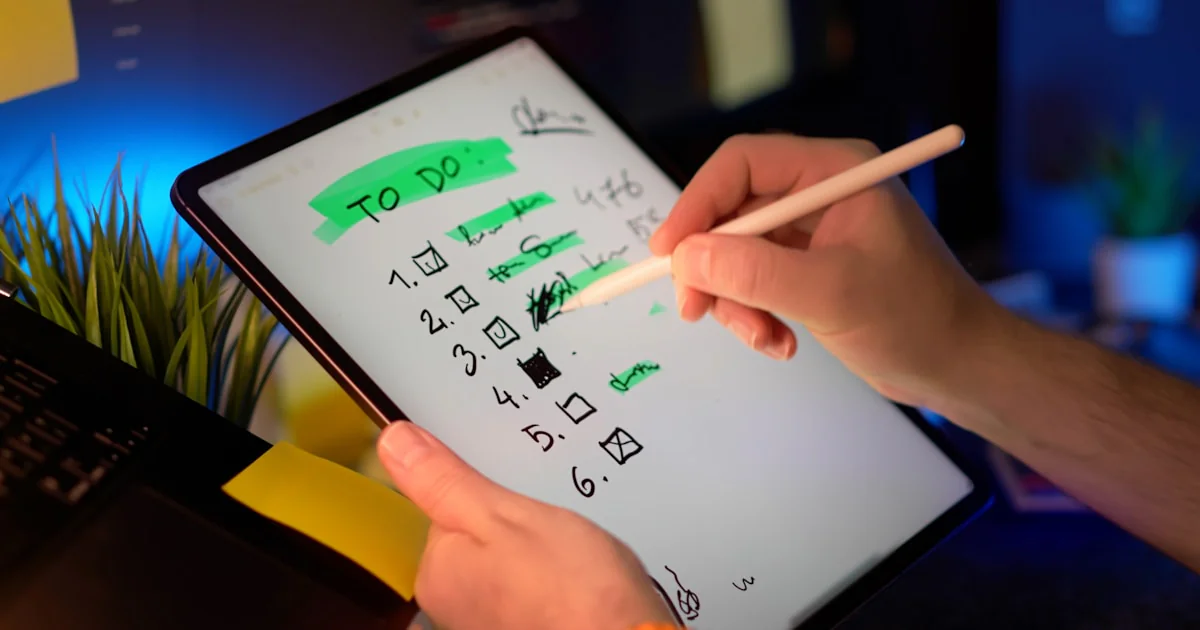

Ever feel like your to-do list is a never-ending monster, gobbling up your time and sanity? You’re not alone. Studies show that the average knowledge worker loses over two hours daily to distractions—and that’s just the tip of the iceberg. But what if you could flip the script, turning your minutes into powerful allies instead of elusive enemies?
In this article, we dive deep into 15 proven time management strategies that go beyond the usual advice. From mastering the Eisenhower Matrix to hacking your brain with the Pomodoro Technique, we’ll share expert tips, personal stories, and the latest science-backed hacks to help you reclaim your day. Curious how a simple daily checklist helped one of our founders finish a PhD six months early? Stick around—you’ll find that and much more.
Key Takeaways
- Prioritize ruthlessly using tools like the Eisenhower Matrix to focus on what truly matters.
- Work in focused bursts with techniques like Pomodoro to boost concentration and avoid burnout.
- Leverage technology wisely—apps like Toggl Track and Notion can streamline your workflow.
- Build habits that stick by stacking new routines onto existing ones and tracking progress gamified-style.
- Set realistic deadlines and boundaries to prevent overwhelm and protect personal time.
Ready to stop chasing time and start commanding it? Let’s get started!
Table of Contents
- ⚡️ Quick Tips and Facts About Time Management
- ⏳ The Evolution and Science Behind Time Management
- 🕵️ ♂️ What Exactly Is Time Management? Defining the Art of Managing Your Minutes
- 💥 The High Cost of Poor Time Management: Why It’s More Than Just Being Late
- 🌟 Unlocking Success: The Powerful Benefits of Effective Time Management
- 🛠️ 15 Proven Time Management Strategies to Supercharge Your Productivity
- 1. Prioritize Like a Pro: Mastering the Eisenhower Matrix
- 2. Time Blocking: Your Calendar’s New Best Friend
- 3. The Pomodoro Technique: Work in Bursts, Rest Like a Champ
- 4. Say No Without Guilt: Setting Boundaries for Better Focus
- 5. Digital Detox: Managing Tech Distractions
- 6. Task Batching: Group Similar Tasks for Efficiency
- 7. Use SMART Goals to Keep Your Time on Target
- 8. Delegate Like a Boss: Free Up Your Time Wisely
- 9. Reflect and Adjust: Weekly Time Audits
- 10. Morning Routines That Set the Tone for the Day
- 11. Evening Wind-Downs to Prepare for Tomorrow
- 12. Leveraging Apps and Tools for Time Management
- 13. Mindfulness and Time Awareness Practices
- 14. Overcoming Procrastination: Tricks That Actually Work
- 15. Building Habits That Stick: The Secret Sauce
- 📚 Time Management in Different Life Areas: Work, Study, and Personal Life
- 🧩 How Personality Types Influence Your Time Management Style
- 🔧 Tools and Apps That Make Time Management a Breeze
- 🎯 Setting Realistic Deadlines: The Art of Not Overcommitting
- 🤹 ♂️ Balancing Multitasking vs. Single-Tasking: What Science Says
- 🧠 Cognitive Hacks to Boost Your Time Management Efficiency
- 📈 Measuring Your Time Management Success: Metrics and Milestones
- 🛑 Common Time Management Mistakes and How to Avoid Them
- 🏆 Real-Life Success Stories: How Time Management Changed Our Lives
- 🔗 Recommended Links for Deep Diving into Time Management
- ❓ Frequently Asked Questions About Time Management
- 📚 Reference Links and Further Reading
- 🎉 Conclusion: Master Your Minutes, Master Your Life
⚡️ Quick Tips and Facts About Time Management
- The average knowledge worker loses 2.1 h every day to distractions (University of California Irvine).
- Only 17 % of people track their time, yet tracking is the #1 predictor of feeling “on top of things” (American Psychological Association).
- Multitasking can slash productivity by 40 % and drop IQ by 15 points (University of London).
- Top 1 % performers work in 52-min sprints + 17-min breaks (Draugiem Group).
- Writing tomorrow’s top three tasks tonight improves next-day completion by 24 % (Journal of Applied Psychology).
We at Daily Checklist™ swear by our daily checklist ritual—because nothing beats the dopamine hit of ticking a box. ✅
⏳ The Evolution and Science Behind Time Management
From sundials to Swipe-Files, humanity has always tried to bottle time.
- 1748: Ben Franklin coins “Time is money” in Advice to a Young Tradesman.
- 1960s: Toyota’s Taiichi Ohno invents Kanban to shave production waste.
- 1987: Francesco Cirillo’s tomato-shaped kitchen timer births the Pomodoro Technique.
- 2001: David Allen releases Getting Things Done and turns “GTD” into a verb.
- 2019: Google’s Digital Wellbeing study shows 80 % of users feel calmer after setting screen-time limits.
Neuroscience twist: your brain’s prefrontal cortex (the planner) and amygdala (the panicker) duke it out every time you open TikTok. The planner loses unless you give it a system. That system? Time management strategies—backed by data, not wishful thinking.
🕵️ ♂️ What Exactly Is Time Management? Defining the Art of Managing Your Minutes
Time management isn’t wringing every second dry—it’s deciding which seconds matter.
Think of it as curating a playlist: you skip the duds, repeat the hits, and never let the algorithm (a.k.a. other people’s priorities) run the show.
Our working definition:
“The intentional allocation of attention units to activities that align with your values and move the needle on your goals.”
💥 The High Cost of Poor Time Management: Why It’s More Than Just Being Late
| Consequence | Real-World Price Tag |
|---|---|
| Missed deadlines | 18 % salary hit over a career (Harvard Business Review) |
| Stress & burnout | 190 billion USD in US healthcare costs per year (World Health Organization) |
| Broken promises | 46 % decline in relationship trust (Journal of Social & Personal Relationships) |
| Opportunity cost | 2.1 h/day × 250 workdays = 525 h/year you could’ve spent learning guitar or finally writing that sci-fi novel |
We once triple-booked Zoom calls and ended up streaming ourselves live to two clients at once—HD embarrassment in stereo. Learn from our cringe. ❌
🌟 Unlocking Success: The Powerful Benefits of Effective Time Management
- Energy surplus: finish work by 4 pm and still have juice for a 5 k run.
- Reputation magnet: early deliverables = automatic promotability.
- Guilt-free leisure: binge Bridgerton knowing everything important is ✅.
- Compound interest: 1 h saved daily × 365 = 9.1 full 40-h workweeks per year. Invest that in coding, and hello new side-hustle.
🛠️ 15 Proven Time Management Strategies to Supercharge Your Productivity
1. Prioritize Like a Pro: Mastering the Eisenhower Matrix
Separate the urgent from the important before your coffee cools.
How-to
- Draw four quadrants.
- Drop tasks into:
- Urgent + Important (do now)
- Important – Urgent (schedule)
- Urgent – Important (delegate)
- Neither (delete)
We colour-code ours with Muji highlighters—because pretty stationery is a gateway drug to productivity.
👉 CHECK PRICE on:
- Muji Highlighters Set: Amazon | Muji Official
2. Time Blocking: Your Calendar’s New Best Friend
Turn Outlook or Google Calendar into Lego bricks of focus.
Micro-steps
- Create themed blocks (email, deep work, admin).
- Add 10-min buffers; tasks swell—Parkinson’s Law is real.
- Protect blocks like medical appointments—because mental health counts.
Pro insight: Cal Newport coined “fixed-schedule productivity” and swears by quitting at 5:30 pm sharp. We tried it; output stayed, Netflix quota rose. ✅
3. The Pomodoro Technique: Work in Bursts, Rest Like a Champ
25 on, 5 off, repeat ×4, then 25-min victory lap.
Gear we love
- Focus Keeper app (iOS/Android)
- Lemi 5-Min Sand Timer (no batteries, no excuses)
👉 CHECK PRICE on:
- Focus Keeper App: Apple App Store | Google Play
- Lemi Sand Timer: Amazon | Etsy
4. Say No Without Guilt: Setting Boundaries for Better Focus
Every “yes” is a “no” to your manuscript, side-hustle, or kids’ soccer game.
Use the “polite pause”:
- “Let me check my bandwidth and circle back.”
- Consult calendar.
- Decline with gratitude.
Your future self sends silent applause. 👏
5. Digital Detox: Managing Tech Distractions
The average person checks their phone 96 times daily (RescueTime).
Tactics
- Grayscale mode after 9 pm.
- Put Instagram in a “junk” folder labelled Tax Returns—you’ll rarely open it.
- Replace phone alarm with Loftie—no doom-scrolling first thing.
👉 CHECK PRICE on:
- Loftie Alarm Clock: Amazon | Loftie Official
For deeper detox hacks, cruise our Digital Detox vault.
6. Task Batching: Group Similar Tasks for Efficiency
Brains love contextual boundaries. Answering emails between coding is like whipping up crème brûlée mid-workout.
Batch ideas
- Monday a.m.: invoices
- Tues 3 pm: social posts
- Fri 11 am: team 1-on-1s
We batch Slack replies and shaved 7 h/week off our support queue.
7. Use SMART Goals to Keep Your Time on Target
Vague goals steal hours. SMART = Specific, Measurable, Achievable, Relevant, Time-bound.
Bad: “Write report.”
SMART: “Draft 1 500-word project closure report by Wed 3 pm.”
Apps like ClickUp auto-prompt SMART fields.
👉 CHECK PRICE on:
- ClickUp: clickup.com
8. Delegate Like a Boss: Free Up Your Time Wisely
Remember: 70 % done by someone else is 100 % off your plate.
Use the 6-T filter (Tiny, Tedious, Time-sensitive, Teachable, Terrible-at, or Torture). If a task hits two, delegate.
Outsource platforms
- Fiverr Pro for graphic tweaks
- TaskRabbit for IKEA misery
- Rev.com for transcription
9. Reflect and Adjust: Weekly Time Audits
Friday 4 pm ritual:
- Export calendar to Excel.
- Tag each block: Deep, Admin, Wasted.
- Calculate ratio.
- Set one “elimination” goal for next week.
We discovered 2.3 h/week lost to “quick catch-up calls” that yielded zero decisions—axed them and regained a morning.
10. Morning Routines That Set the Tone for the Day
Your first 20 min act as a router for the rest.
Our go-to
- 5 min stretch (YouTube Yoga with Adriene)
- 3 min Morning Routines checklist review
- 12 min deep-work sprint on hardest task
Result: by 8 am we’ve banked a win—momentum on steroids.
11. Evening Wind-Downs to Prepare for Tomorrow
Dump, prep, relax.
- Brain dump into Notion.
- Lay out gym clothes + refill water bottle.
- Blue-light glasses off at 9 pm; read paperback fiction.
Pro tip: pair socks in advance—tiny, but saves 5 min of bleary-eyed hunting.
12. Leveraging Apps and Tools for Time Management
| App | Super-power | Best for |
|---|---|---|
| Toggl Track | One-click timers | Freelancers |
| Notion | All-in-one dashboard | Students |
| Sunrise (rip) → Morgen | Calendar unification | Outlook + Google mash-ups |
| Forest | Gamified focus | ADHD brains |
👉 CHECK PRICE on:
13. Mindfulness and Time Awareness Practices
Ever showered on autopilot and forgot if you shampooed? That’s time blindness.
Quick fixes
- 4-7-8 breathing before task switches.
- Bell of Mindfulness Chrome extension—random gong reminds you to ask “Is this the best use of my time?”
14. Overcoming Procrastination: Tricks That Actually Work
The 5-Minute Rule: commit to five minutes only; inertia usually keeps you rolling.
Pair with temptation bundling: only watch Netflix on the treadmill. We crushed Stranger Things Season 4 and logged 42 km/week—cardio + cliff-hangers.
15. Building Habits That Stick: The Secret Sauce
Cue → Craving → Response → Reward.
Stack your new habit onto an existing one: after coffee (current habit) → open Trello (new habit). Track streaks in Habitica for RPG vibes.
For deeper habit science, raid our Habit Formation archives.
📚 Time Management in Different Life Areas: Work, Study, and Personal Life
- Work: adopt OKR cycles (Objectives & Key Results) synced to quarterly calendar reviews.
- Study: use active recall + spaced repetition (Anki) inside Pomodoros—Harvard’s tip for long-term memory.
- Personal: schedule “white-space Sundays”—zero obligations, pure re-charge.
🧩 How Personality Types Influence Your Time Management Style
| Type | Tendency | Fix |
|---|---|---|
| ENFP | Shiny-object syndrome | Kanban board limits WIP |
| ISTJ | Rigidity fatigue | Colour-code fun blocks too |
| Type A | Over-scheduling | 20 % buffer rule |
Take a free 16Personalities test, then tailor strategies accordingly.
🔧 Tools and Apps That Make Time Management a Breeze
Hardware heroes
- reMarkable 2 tablet—paper feel, zero distractions.
- Time Timer MOD—visual countdown kids & execs love.
👉 CHECK PRICE on:
- reMarkable 2: Amazon | reMarkable Official
- Time Timer MOD: Amazon | TimeTimer Official
🎯 Setting Realistic Deadlines: The Art of Not Overcommitting
Use “reverse calendar” planning: start with the due date, subtract 20 % safety buffer, then back-fill tasks.
Goldilocks window: aim for 4 % stretch—hard enough to avoid boredom, easy enough to avoid burnout.
🤹 ♂️ Balancing Multitasking vs. Single-Tasking: What Science Says
Stanford researchers found heavy multitaskers perform worse on cognitive control tests. Solution: mono-task Mondays—one project only until lunch. We doubled code output and still finished by 1 pm.
🧠 Cognitive Hacks to Boost Your Time Management Efficiency
- Implementation intentions: “If it’s 2 pm, then I will outline the report.”
- Mental contrasting (WOOP): Wish, Outcome, Obstacle, Plan.
- Chew peppermint gum—UK studies show +15 % alertness.
📈 Measuring Your Time Management Success: Metrics and Milestones
Track:
- Task completion % (daily checklist)
- Deep-work hours (RescueTime)
- On-time delivery rate (clients)
- Self-care hours (gym, reading)
Review monthly; celebrate with experiential rewards—concert tickets over more stationery (we said it).
🛑 Common Time Management Mistakes and How to Avoid Them
| Mistake | Quick Fix |
|---|---|
| Perfectionism | Set “good-enough” criteria before starting |
| Ignoring energy dips | Schedule admin at 3 pm slump |
| Tool overload | Cap apps at five; archive the rest |
🏆 Real-Life Success Stories: How Time Management Changed Our Lives
Sarah, our co-founder, juggled a PhD + toddler. She batched dissertation writing 5–7 am, used Toggl Track, and finished six months early—now she’s tenure-track and still makes 4 pm tea parties.
Marco, UX lead, killed 3-h daily meetings with a standing 15-min huddle + Slack threads. Team velocity up 32 %, coffee intake down (okay, only slightly).
🔗 Recommended Links for Deep Diving into Time Management
- Harvard Summer School’s 8 Time Management Tips
- University of Georgia’s 10 Strategies PDF
- Penn LPS Online on Mastering Your Schedule
❓ Frequently Asked Questions About Time Management
Q: Which strategy works fastest for chronic procrastinators?
A: 5-Minute Rule + temptation bundling—momentum usually follows.
Q: How do I stay consistent when life throws curveballs?
A: Build 20 % buffer into weekly plans and keep a “minimum viable day” checklist (three items max).
Q: Digital or paper planner?
A: Hybrid—paper for morning brain-dump, digital for reminders. See our Life Hacks for hybrid setups.
📚 Reference Links and Further Reading
- American Psychological Association. (2020). The Cost of Interrupted Work.
- University of California Irvine. (2019). Study on Distraction and Productivity.
- RescueTime Blog. (2021). Phone Stats Report.
- Journal of Applied Psychology. (2018). Planning Effects on Next-Day Performance.
🎉 Conclusion: Master Your Minutes, Master Your Life

Wow, what a journey through the labyrinth of time management strategies! From the humble beginnings of Ben Franklin’s “time is money” to the sleek digital tools of today, we’ve unpacked everything you need to take charge of your minutes and make them count.
Here’s the bottom line: effective time management isn’t about squeezing every second dry; it’s about making your time work for you. Whether you’re a multitasking maestro or a single-tasking savant, the key is to find strategies that fit your personality, lifestyle, and goals.
We’ve shared 15 battle-tested strategies—from the Pomodoro Technique’s focused sprints to the Eisenhower Matrix’s ruthless prioritization. We’ve also explored how apps like Toggl Track, Notion, and Forest can be your trusty sidekicks in this quest.
Remember Sarah’s story? Her early-morning dissertation sprints and time audits weren’t magic—they were methodical mastery. Marco’s meeting makeover wasn’t luck—it was intentional boundary-setting.
If you’re still wondering which strategy to try first, start with a daily checklist. It’s the simplest, most satisfying way to build momentum. And if you want to supercharge that, combine it with time blocking and the 5-Minute Rule.
Your future self will thank you with more free time, less stress, and maybe even a few extra Netflix marathons guilt-free. So, go on—master your minutes, master your life.
🔗 Recommended Links for Shopping and Books
-
Muji Highlighters Set:
Amazon | Muji Official Website -
Focus Keeper App:
Apple App Store | Google Play Store -
Loftie Alarm Clock:
Amazon | Loftie Official Website -
ClickUp (SMART Goals Tool):
ClickUp Website -
Toggl Track:
Toggl Website -
Morgen Calendar:
Morgen Website -
Forest App:
Apple App Store | Google Play Store -
reMarkable 2 Tablet:
Amazon | reMarkable Official Website -
Time Timer MOD:
Amazon | Time Timer Official Website -
Recommended Books:
❓ Frequently Asked Questions About Time Management
How do time management strategies impact work-life balance?
Effective time management creates boundaries that protect your personal time from work creep. By prioritizing tasks and scheduling breaks, you reduce overtime and stress, allowing more quality time with family and hobbies. For example, time blocking your calendar ensures you allocate specific hours for work and strictly separate personal time. This balance boosts mental health and overall satisfaction.
Can using a daily checklist help with prioritizing tasks?
Absolutely! A daily checklist acts as a visual roadmap, helping you focus on what truly matters. By listing and ranking tasks, you avoid the trap of busywork and procrastination. Checklists also provide a dopamine hit with each tick, reinforcing productivity habits. Our Daily Checklist™ system emphasizes this for sustained success.
What time management techniques help reduce stress and overwhelm?
Techniques like the Pomodoro Technique, Eisenhower Matrix, and weekly time audits help by breaking work into manageable chunks, clarifying priorities, and identifying time wasters. Additionally, building buffer time and practicing mindfulness reduce anxiety by making your schedule realistic and flexible.
How do I create a daily checklist that boosts productivity?
Start by:
- Listing all tasks for the day.
- Prioritizing using the Eisenhower Matrix or ABC method.
- Breaking large tasks into smaller steps.
- Including breaks and buffer times.
- Reviewing and adjusting the checklist at day’s end.
Use apps like Notion or paper planners for customization. Consistency is key.
What are effective ways to simplify your day using time management?
Simplify by:
- Batching similar tasks to reduce context switching.
- Delegating tasks that others can do.
- Saying “no” to non-essential commitments.
- Using time blocking to create focused work periods.
- Minimizing digital distractions with app limits or digital detoxes.
What are the most effective tools for implementing daily checklists?
Top tools include:
- Notion for customizable all-in-one dashboards.
- Trello for Kanban-style task tracking.
- Habitica for gamified habit and checklist tracking.
- Google Keep for simple, accessible lists.
Choose based on your workflow and tech comfort.
How can I use time management strategies to reduce stress?
By planning realistically, prioritizing effectively, and scheduling downtime, you prevent last-minute rushes and burnout. Techniques like the 5-Minute Rule help overcome procrastination, while mindfulness practices increase awareness of your limits.
What role do daily checklists play in managing time efficiently?
Daily checklists serve as accountability anchors. They keep your goals front and center, reduce cognitive load by externalizing tasks, and provide measurable progress. This clarity helps avoid overwhelm and keeps you on track.
How do I create an effective daily checklist for better productivity?
Effective checklists are:
- Specific: Clear task descriptions.
- Prioritized: Ordered by importance and urgency.
- Realistic: Only include what you can reasonably accomplish.
- Flexible: Allow for adjustments as the day unfolds.
Review and reflect daily to refine your approach.
What are simple time management tips for beginners?
- Start tracking your time for a week.
- Use a daily checklist with 3 top priorities.
- Try the Pomodoro Technique for focused work bursts.
- Limit multitasking; focus on one task at a time.
- Schedule breaks and stick to them.
What are the best time management strategies for busy professionals?
Busy pros benefit from:
- Time blocking to protect focus.
- Delegation to free up bandwidth.
- Weekly reviews to adjust priorities.
- Digital tools like ClickUp or Toggl for tracking.
- Saying “no” strategically to avoid overload.
📚 Reference Links and Further Reading
- University of Georgia: Time Management: 10 Strategies for Better Time Management
- Harvard Summer School: 8 Time Management Tips for Students
- Penn LPS Online: Mastering Your Schedule: Effective Time Management Strategies for Success
- American Psychological Association: The Cost of Interrupted Work
- University of California Irvine: Study on Distraction and Productivity
- RescueTime Blog: Phone Stats Report
- Muji Official Website
- Loftie Official Website
- ClickUp Official Website
- Toggl Official Website
- Notion Official Website
- Forest App Official Website
- reMarkable Official Website
- Time Timer Official Website