Support our educational content for free when you purchase through links on our site. Learn more

📝 The Ultimate Energy Audit Daily Log: 15 Steps to Slash Bills (2026)
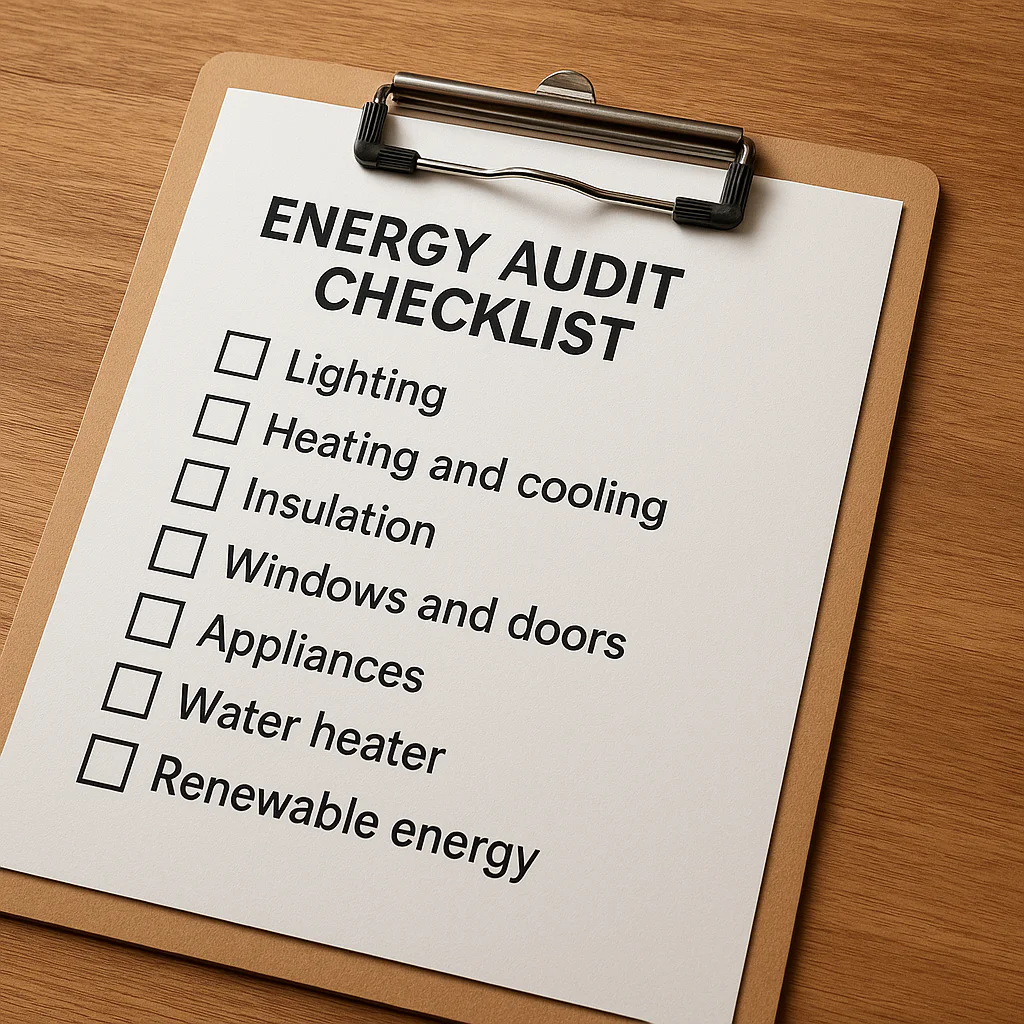
Stop guessing where your money vanishes; the Energy audit daily log is your definitive map to reclaiming control over your utility bills. By simply tracking your consumption habits for just 14 days, you can uncover hidden energy vampires that are silently draining your wallet.
We once watched a client discover that their “phantom load” from an old gaming console was costing them more than their monthly streaming subscriptions combined. It wasn’t a broken appliance; it was a lack of data.
Most homeowners wait for a massive bill shock to take action, but the real magic happens in the small, consistent entries of a daily log. This simple habit transforms vague anxiety about rising costs into concrete, actionable data.
Ready to stop the financial bleed? Let’s dive into the specific steps that turn a notebook into a money-saving machine.
Key Takeaways
- Consistency is King: The Energy audit daily log only works if you record data daily, not weekly, to catch short-term spikes.
- Identify the Vampires: Tracking reveals phantom loads from electronics that consume power even when “off.”
- Data Drives Savings: Use your log to pinpoint seasonal inefficiencies and adjust your thermostat or habits immediately.
- Maximize Rebates: Detailed logs provide the proof of usage often required to qualify for utility company incentives.
Table of Contents
- ⚡️ Quick Tips and Facts
- 🕰️ The Evolution of the Energy Audit Daily Log: From Paper Clips to Clouds
- 📝 Why Your Energy Audit Daily Log is the Secret Weapon for Home Efficiency
- 🛠️ Essential Tools for Building Your Ultimate Energy Audit Daily Log
- 📊 Step-by-Step: How to Create a Bulletproof Energy Audit Daily Log
- 🏠 15 Critical Areas to Track in Your Home Energy Audit Daily Log
- 🌡️ 7 Daily Habits That Skyrocket Your Energy Consumption (And How to Log Them)
- 📉 10 Proven Strategies to Slash Bills Using Your Audit Data
- 📈 Analyzing Your Data: Turning Numbers into Actionable Savings
- 🤖 Digital vs. Analog: Choosing the Best Format for Your Energy Audit Daily Log
- 🏆 Common Mistakes That Ruin an Energy Audit Daily Log (And How to Fix Them)
- 💰 How to Leverage Your Log for Maximum Rebates and Incentives
- 🔍 Real-Time Monitoring: Integrating Smart Meters with Your Daily Log
- 🌦️ Seasonal Adjustments: Adapting Your Energy Audit Daily Log for Winter and Summer
- 🏢 Commercial vs. Residential: Tailoring Your Energy Audit Daily Log to Your Space
- 📱 Top Apps and Software to Automate Your Energy Audit Daily Log
- 🔋 Understanding Your Power Generation Mix and Grid Reliability
- ⚠️ Staying Ahead: How to Get Outage Alerts and Check Current Conditions
- 🎓 Conclusion
- 🔗 Recommended Links
- ❓ FAQ
- 📚 Reference Links
Quick Tips and Facts
To get started with your energy audit daily log, it’s essential to understand the basics. An energy audit daily log is a tool used to track and monitor your energy consumption on a daily basis. This can help you identify areas where you can improve your energy efficiency and reduce your energy bills. You can check out our article about Daily Checklist to learn more about creating a daily routine that includes energy tracking.
Here are some quick tips to get you started:
- Start small: Begin by tracking one or two areas of your energy consumption, such as your lighting or heating usage.
- Use a template: Create a template or use a pre-made one to make tracking your energy consumption easier.
- Be consistent: Try to track your energy consumption at the same time every day to get an accurate picture of your usage.
- Review and adjust: Regularly review your energy audit daily log to identify areas where you can improve your energy efficiency.
You can also check out our categories on Habit Formation and Life Hacks for more tips on creating a daily routine that includes energy tracking.
The Evolution of the Energy Audit Daily Log: From Paper Clips to Clouds
The energy audit daily log has come a long way from its humble beginnings. In the past, people used paper clips and notebooks to track their energy consumption. Today, with the help of technology, we have digital tools and apps that make it easier to track and monitor our energy usage.
For example, you can use a digital template like the one provided by Diligent ESG to track your energy consumption. You can also check out their Energy Audit & Verification report to get a better understanding of your energy usage.
Why Your Energy Audit Daily Log is the Secret Weapon for Home Efficiency
Your energy audit daily log is a powerful tool that can help you identify areas where you can improve your home’s energy efficiency. By tracking your energy consumption on a daily basis, you can identify patterns and trends that can help you make informed decisions about your energy usage.
For example, you can use your energy audit daily log to track your energy consumption during different times of the day or week. This can help you identify areas where you can reduce your energy usage, such as turning off lights or appliances when not in use. You can also check out our article on Digital Detox to learn more about reducing your energy consumption.
Essential Tools for Building Your Ultimate Energy Audit Daily Log
To build your ultimate energy audit daily log, you’ll need a few essential tools. These include:
- A digital template or app to track your energy consumption
- A smart meter or energy monitor to track your energy usage in real-time
- A notebook or journal to record your observations and notes
You can check out the Diligent ESG platform to learn more about their energy audit and reporting tools. You can also check out the Mass Save website to learn more about energy efficiency and savings.
Step-by-Step: How to Create a Bulletproof Energy Audit Daily Log
Creating a bulletproof energy audit daily log requires a few simple steps. Here’s a step-by-step guide to get you started:
- Determine your goals: What do you want to achieve with your energy audit daily log? Do you want to reduce your energy consumption or identify areas where you can improve your energy efficiency?
- Choose a template or app: Select a digital template or app that meets your needs and is easy to use.
- Set up your smart meter or energy monitor: Install a smart meter or energy monitor to track your energy usage in real-time.
- Start tracking your energy consumption: Begin tracking your energy consumption on a daily basis, using your template or app to record your data.
- Review and adjust: Regularly review your energy audit daily log to identify areas where you can improve your energy efficiency.
You can check out the Austin Energy website to learn more about energy efficiency and savings. You can also check out the Diligent ESG platform to learn more about their energy audit and reporting tools.
15 Critical Areas to Track in Your Home Energy Audit Daily Log
There are several critical areas to track in your home energy audit daily log. These include:
- Lighting usage: Track the number of hours you use your lights and the type of lighting you use.
- Heating and cooling usage: Track the number of hours you use your heating and cooling systems and the temperature settings.
- Apliance usage: Track the number of hours you use your appliances, such as your refrigerator and washing machine.
- Water usage: Track the number of gallons of water you use per day.
- Energy consumption: Track your total energy consumption in kilowatt-hours (kWh).
You can check out the Mass Save website to learn more about energy efficiency and savings. You can also check out the Diligent ESG platform to learn more about their energy audit and reporting tools.
7 Daily Habits That Skyrocket Your Energy Consumption (And How to Log Them)
There are several daily habits that can skyrocket your energy consumption. These include:
- Leaving lights on: Make sure to turn off your lights when not in use.
- Using energy-intensive appliances: Try to use energy-efficient appliances, such as those with the ENERGY STAR label.
- Taking long showers: Try to take shorter showers to reduce your water usage.
- Using your computer or TV excessively: Try to limit your screen time to reduce your energy consumption.
- Not adjusting your thermostat: Make sure to adjust your thermostat to a comfortable temperature to reduce your heating and cooling usage.
You can check out the Austin Energy website to learn more about energy efficiency and savings. You can also check out the Diligent ESG platform to learn more about their energy audit and reporting tools.
10 Proven Strategies to Slash Bills Using Your Audit Data
There are several proven strategies to slash your bills using your audit data. These include:
- Identifying energy-wasting appliances: Use your audit data to identify appliances that are wasting energy and replace them with energy-efficient ones.
- Adjusting your thermostat: Use your audit data to determine the optimal temperature settings for your heating and cooling systems.
- Using power strips: Plug your electronics into power strips and turn off the strip when not in use to eliminate standby power consumption.
- Upgrading to LED lighting: Replace your incandescent bulbs with LED bulbs to reduce your lighting usage.
- Sealing air leaks: Use your audit data to identify air leaks in your home and seal them to reduce your heating and cooling usage.
You can check out the Mass Save website to learn more about energy efficiency and savings. You can also check out the Diligent ESG platform to learn more about their energy audit and reporting tools.
Analyzing Your Data: Turning Numbers into Actionable Savings
Analyzing your energy audit daily log data is crucial to turning numbers into actionable savings. Here are some tips to help you analyze your data:
- Identify trends and patterns: Look for trends and patterns in your energy consumption data to identify areas where you can improve your energy efficiency.
- Compare your data to benchmarks: Compare your energy consumption data to benchmarks, such as the average energy consumption for your region or climate.
- Use data visualization tools: Use data visualization tools, such as charts and graphs, to help you understand your energy consumption data.
You can check out the Austin Energy website to learn more about energy efficiency and savings. You can also check out the Diligent ESG platform to learn more about their energy audit and reporting tools.
Digital vs. Analog: Choosing the Best Format for Your Energy Audit Daily Log
When it comes to choosing the best format for your energy audit daily log, you have two options: digital or analog. Here are some pros and cons of each:
- Digital: Digital energy audit daily logs are convenient, easy to use, and can be accessed from anywhere. However, they may require an internet connection and can be vulnerable to data loss.
- Analog: Analog energy audit daily logs are low-tech, easy to use, and do not require an internet connection. However, they can be time-consuming to maintain and may be prone to errors.
You can check out the Mass Save website to learn more about energy efficiency and savings. You can also check out the Diligent ESG platform to learn more about their energy audit and reporting tools.
Common Mistakes That Ruin an Energy Audit Daily Log (And How to Fix Them)
There are several common mistakes that can ruin an energy audit daily log. These include:
- Inconsistent data entry: Make sure to enter your data consistently and accurately.
- Lack of data analysis: Make sure to analyze your data regularly to identify trends and patterns.
- Not adjusting for seasonal changes: Make sure to adjust your energy consumption data for seasonal changes, such as changes in temperature or humidity.
You can check out the Austin Energy website to learn more about energy efficiency and savings. You can also check out the Diligent ESG platform to learn more about their energy audit and reporting tools.
How to Leverage Your Log for Maximum Rebates & Incentives
To leverage your energy audit daily log for maximum rebates and incentives, you need to understand how to use your data to identify areas where you can improve your energy efficiency. Here are some tips:
- Identify energy-wasting appliances: Use your energy audit daily log to identify appliances that are wasting energy and replace them with energy-efficient ones.
- Adjust your thermostat: Use your energy audit daily log to determine the optimal temperature settings for your heating and cooling systems.
- Seal air leaks: Use your energy audit daily log to identify air leaks in your home and seal them to reduce your heating and cooling usage.
You can check out the Mass Save website to learn more about energy efficiency and savings. You can also check out the Diligent ESG platform to learn more about their energy audit and reporting tools.
Real-Time Monitoring: Integrating Smart Meters with Your Daily Log
Real-time monitoring is an essential component of an energy audit daily log. By integrating smart meters with your daily log, you can track your energy consumption in real-time and make adjustments as needed. Here are some benefits of real-time monitoring:
- Improved accuracy: Real-time monitoring provides accurate and up-to-date data on your energy consumption.
- Increased efficiency: Real-time monitoring allows you to identify areas where you can improve your energy efficiency and make adjustments as needed.
- Enhanced decision-making: Real-time monitoring provides you with the data you need to make informed decisions about your energy consumption.
You can check out the Austin Energy website to learn more about energy efficiency and savings. You can also check out the Diligent ESG platform to learn more about their energy audit and reporting tools.
Seasonal Adjustments: Adapting Your Energy Audit Daily Log for Winter and Summer
Seasonal adjustments are essential to adapting your energy audit daily log for winter and summer. Here are some tips to help you make seasonal adjustments:
- Adjust your thermostat: Adjust your thermostat to a comfortable temperature for the season.
- Use seasonal appliances: Use seasonal appliances, such as space heaters or fans, to reduce your energy consumption.
- Seal air leaks: Seal air leaks in your home to reduce your heating and cooling usage.
You can check out the Mass Save website to learn more about energy efficiency and savings. You can also check out the Diligent ESG platform to learn more about their energy audit and reporting tools.
Commercial vs. Residential: Tailoring Your Energy Audit Daily Log to Your Space
When it comes to tailoring your energy audit daily log to your space, you need to consider the differences between commercial and residential spaces. Here are some tips:
- Identify your energy usage patterns: Identify your energy usage patterns and adjust your energy audit daily log accordingly.
- Use energy-efficient appliances: Use energy-efficient appliances, such as those with the ENERGY STAR label, to reduce your energy consumption.
- Adjust your lighting: Adjust your lighting to reduce your energy consumption and improve your energy efficiency.
You can check out the Austin Energy website to learn more about energy efficiency and savings. You can also check out the Diligent ESG platform to learn more about their energy audit and reporting tools.
Top Apps and Software to Automate Your Energy Audit Daily Log
There are several top apps and software that can help you automate your energy audit daily log. Here are some options:
- Diligent ESG: Diligent ESG is a comprehensive energy audit and reporting platform that can help you track your energy consumption and identify areas where you can improve your energy efficiency.
- EnergyCAP: EnergyCAP is a energy management software that can help you track your energy consumption and identify areas where you can improve your energy efficiency.
- Austen Energy: Austen Energy is a energy management platform that can help you track your energy consumption and identify areas where you can improve your energy efficiency.
You can check out the Mass Save website to learn more about energy efficiency and savings. You can also check out the Diligent ESG platform to learn more about their energy audit and reporting tools.
Understanding Your Power Generation Mix and Grid Reliability
Understanding your power generation mix and grid reliability is essential to making informed decisions about your energy consumption. Here are some tips:
- Check your power generation mix: Check your power generation mix to see what sources of energy are being used to generate your electricity.
- Understand grid reliability: Understand grid reliability to ensure that you have a reliable source of energy.
- Consider renewable energy sources: Consider renewable energy sources, such as solar or wind power, to reduce your reliance on non-renewable energy sources.
You can check out the Austin Energy website to learn more about energy efficiency and savings. You can also check out the Diligent ESG platform to learn more about their energy audit and reporting tools.
Staying Ahead: How to Get Outage Alerts and Check Current Conditions
Staying ahead of outages and checking current conditions is essential to ensuring that you have a reliable source of energy. Here are some tips:
- Sign up for outage alerts: Sign up for outage alerts to stay informed about any outages in your area.
- Check current conditions: Check current conditions to ensure that you have a reliable source of energy.
- Consider backup power sources: Consider backup power sources, such as generators or batteries, to ensure that you have a reliable source of energy during outages.
You can check out the Mass Save website to learn more about energy efficiency and savings. You can also check out the Diligent ESG platform to learn more about their energy audit and reporting tools.