Support our educational content for free when you purchase through links on our site. Learn more

🗓️ 15 Best Daily Planner Printables to Master Your Day (2026)
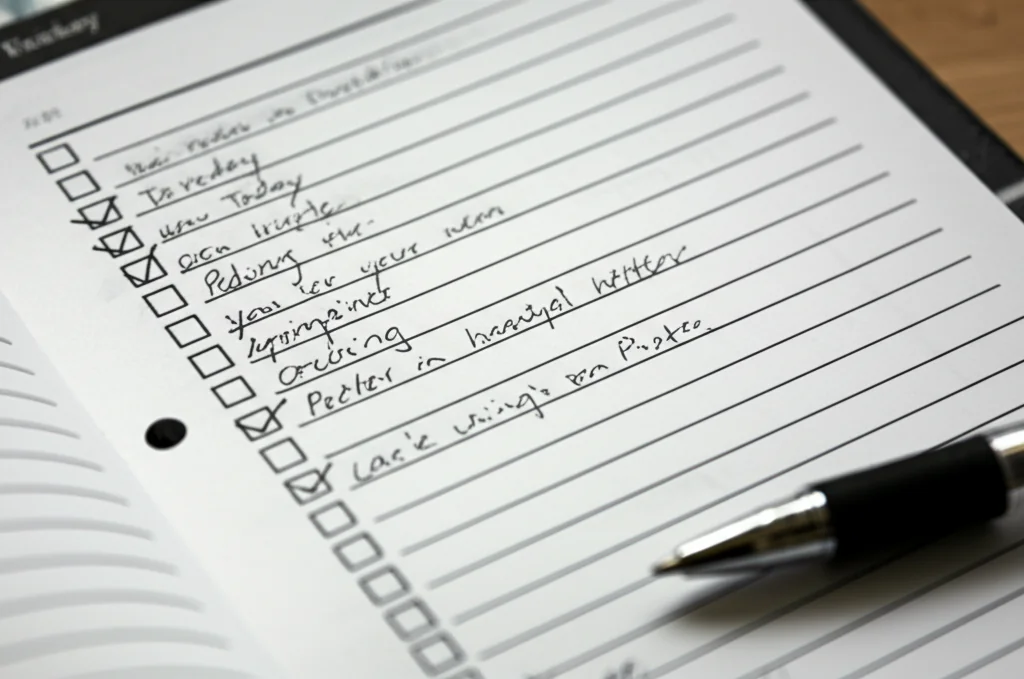

Ever feel like your day is a chaotic jigsaw puzzle where the pieces keep changing shape? You’re not alone. At Daily Checklist™, we’ve seen countless people abandon expensive, pre-bound planners after just three days because the rigid layouts didn’t match their messy, beautiful reality. The secret isn’t a fancy app or a $50 notebook; it’s the humble daily planner printable. Did you know that simply writing down your goals can boost your success rate by 42%? Yet, with thousands of templates online, finding the right one can feel like searching for a needle in a haystack.
In this ultimate guide, we’re cutting through the noise to reveal the Top 15 Must-Have Daily Planner Printables tailored for every lifestyle—from the ADHD brain needing visual cues to the busy mom coordinating a family circus. We’ll dive deep into the psychology of why writing it down works, how to customize your own, and the specific pitfalls that make most planners fail (and how to fix them). By the end, you won’t just have a list; you’ll have a personalized roadmap to reclaim your time. Ready to stop drowning in to-dos and start crossing them off with confidence? Let’s get organized.
Key Takeaways
- Customization is King: Unlike rigid bound books, daily planner printables allow you to tailor every section to your specific brain type and lifestyle needs.
- The Power of Analog: Research shows that handwriting tasks significantly improves memory retention and reduces the cognitive load compared to digital typing.
- Find Your Fit: Whether you need a Time Blocker, a Minimalist To-Do List, or an ADHD-Friendly Visual Schedule, the right template makes all the difference in consistency.
- Avoid the Pitfalls: Most planners fail due to over-planning or perfectionism; learn our expert strategies to keep your system flexible and sustainable.
- Start Small: You don’t need a perfect system; you just need one printable that works for today.
🛒 Shop Essential Planning Supplies
- Premium Paper & Pens: Amazon Search for Premium Printer Paper | Amazon Search for Gel Pens
- Disc-Bound Systems: Amazon Search for Disc Bound System | The Happy Planner Official Store
- Free & Premium Templates: Etsy Daily Planner Search | Passion Planner Free Downloads
Table of Contents
- ⚡️ Quick Tips and Facts
- 📜 The Evolution of Paper: A Brief History of Daily Planner Printables
- 🏆 The Ultimate Guide to Choosing the Perfect Daily Planner Printable
- 📝 Top 15 Must-Have Daily Planner Printable Templates for Every Lifestyle
- 🖨️ DIY Printing Mastery: Paper Types, Sizes, and Pro Tips
- 🎨 Customization Station: How to Edit Your Daily Planner Printables in Canva and Adobe
- 📱 Digital vs. Analog: Can You Use Printables on an iPad or Tablet?
- 🧠 The Psychology of Planning: Why Writing It Down Actually Works
- 🚫 Common Pitfalls: Why Your Planner Might Be Failing You (And How to Fix It)
- 💡 Creative Ways to Organize Your Printed Planner Sheets
- 🌟 Real User Stories: How We Transformed Our Chaos into Calm
- 🔗 Recommended Links: Best Shops for High-Quality Printables
- ❓ Frequently Asked Questions About Daily Planner Printables
- 📚 Reference Links and Further Reading
⚡️ Quick Tips and Facts
Before we dive into the deep end of the planning pool, let’s splash around with some essential truths about daily planner printables. Did you know that the simple act of writing down your goals can increase your likelihood of achieving them by up to 42%? That’s not just a fun fact; it’s a productivity game-changer backed by research from Dominican University.
Here is the lowdown on why these humble sheets of paper are taking over the digital world:
- The “Cross-Off” High: There is a genuine dopamine rush when you physically cross an item off a list. It’s a biological reward system that apps sometimes struggle to replicate with a simple tap.
- Customization is King: Unlike a pre-bound book, printables let you choose exactly what fits your brain. Need a section for your cat’s medication? Add it. Hate time-blocking? Skip it.
- Zero Subscription Fees: Once you download the PDF, it’s yours forever. No monthly fees, no “premium” tiers, just you and your pen.
- The 24-Hour Format: While weekly planners are great for the big picture, the daily planner printable is the MVP for granular time management. It forces you to confront the reality of your 24 hours.
Pro Tip from the Team: If you are new to this, start with a Daily Checklist™ approach. It’s the foundation of our philosophy: Simplify Your Day with Daily Checklists. You can read more about how we structure our own days here.
But wait… if printables are so amazing, why do so many people buy a planner, fill it out for three days, and then abandon it in a drawer? Is it the paper? The pen? Or is there a deeper psychological hurdle we haven’t cleared yet? We’ll uncover the answer in the “Common Pitfalls” section later, but for now, let’s look at how we got here.
📜 The Evolution of Paper: A Brief History of Daily Planner Printables

You might think the concept of a “daily planner” is as old as time, but the specific phenomenon of daily planner printables is a relatively modern revolution born from the collision of the digital age and our craving for analog simplicity.
From Ledgers to PDFs
Long before the internet, merchants and scholars used ledgers and diaries. These were often expensive, bound books. If you made a mistake, you crossed it out and hoped for the best. The Franklin Covey system and the Filofax craze of the 80s and 90s introduced the idea of re-fillable planners, but they were still tied to specific, often pricey, binder systems.
The Digital Disruption
The real shift happened when high-speed home printing and PDF technology became ubiquitous. Suddenly, you didn’t need to buy a $40 planner from a specific brand. You could download a template, print it on your home printer, and bind it yourself.
- The Rise of Etsy: Platforms like Etsy exploded with independent creators offering niche designs. From “Boho” aesthetics to “ADHD-friendly” layouts, the market diversified rapidly.
- The Bullet Journal Movement: Popularized by Ryder Carroll, the Bullet Journal method democratized planning. It proved that you didn’t need a fancy product; you just needed a dot-grid notebook and a pen. This philosophy paved the way for printables, where users could print just the pages they needed.
- The “Free” Economy: As noted in our research of top Pinterest collections, the demand for free PDF printables skyrocketed. Creators like Andrea Deker offered free, high-quality templates to build their audience, proving that “free” could be just as effective as “premium.”
Why Printables Won
Why did we go back to paper in a screen-saturated world?
- Reduced Distraction: No notifications, no blue light. Just you and the task.
- Tactile Engagement: The physical act of writing aids memory retention. A study published in the Journal of Educational Psychology suggests that handwriting improves conceptual understanding compared to typing.
- Flexibility: If you mess up a page, you just print a new one. No wasted money.
The history of the printable is the history of reclaiming control. But with thousands of options out there, how do you choose the right one for your chaotic life?
🏆 The Ultimate Guide to Choosing the Perfect Daily Planner Printable
Choosing a daily planner printable is like picking a partner: it needs to fit your lifestyle, your aesthetic, and your specific quirks. At Daily Checklist™, we’ve tested hundreds of layouts, and we’ve found that the “best” one is entirely subjective.
However, we can break down the decision-making process into a few critical criteria.
Key Factors to Consider
| Feature | Why It Matters | Who Needs It? |
|---|---|---|
| Time Blocking | Essential for granular scheduling. | Busy professionals, students, parents. |
| Top 5 Priorities | Focuses on the “Must-Dos” vs. “Nice-to-Dos.” | Perfectionists, procrastinators. |
| Habit Trackers | Helps build consistency in daily routines. | Fitness enthusiasts, those building new habits. |
| Meal Planning | Reduces decision fatigue around food. | Families, meal preppers. |
| Space for Notes | Allows for brainstorming and “brain dumps.” | Creatives, project managers. |
| Aesthetic Style | Makes the act of planning enjoyable. | Visual thinkers, aesthetic lovers. |
The “Fit” Test
Before you download, ask yourself these questions:
- Do I need a 24-hour timeline? If your day is unpredictable, a rigid hour-by-hour schedule might cause anxiety. Look for a flexible to-do list instead.
- How much writing space do I need? As Andrea Deker noted in her popular free printable, “small planners lack sufficient writing space.” If you have a lot to write, go for a full-page layout.
- What is my paper size? Standard Letter (8.5″ x 1″) is great for home use, but A5 or Half-Letter is better for portability.
Brand vs. DIY
You can buy pre-made bundles from brands like Passion Planner (which offers free downloads) or create your own using tools like Canva.
- Pros of Buying: Professional design, often includes matching stickers and digital versions.
- Pros of DIY: Total customization, free, and you can print exactly what you need, when you need it.
Insider Secret: Many “premium” planners are just PDFs you could recreate in 10 minutes. The value lies in the design and the psychology behind the layout.
Still unsure which layout matches your brain type? Don’t worry. In the next section, we’re going to break down the Top 15 Must-Have Templates so you can find your perfect match.
📝 Top 15 Must-Have Daily Planner Printable Templates for Every Lifestyle
We’ve scoured the internet, tested the trends, and consulted our own chaotic schedules to bring you the definitive list of daily planner printable templates. Whether you are a student, a CEO, a parent, or someone who just needs to remember to drink water, there is a template here for you.
1. The Classic Hour-by-Hour Time Blocker
This is the gold standard for time management. It divides your day into 30 or 60-minute slots.
- Best For: People with rigid schedules, meetings, and appointments.
- Pros: Visualizes exactly how much time you have; prevents overbooking.
- Cons: Can feel restrictive if your day goes off the rails.
- Pro Tip: Leave 15-minute “buffer zones” between blocks to handle the unexpected.
2. The Minimalist To-Do List for Focused Minds
No lines, no boxes, just a clean list. This is the anti-clutter approach.
- Best For: Minimalists, those who get overwhelmed by complex layouts.
- Pros: Reduces cognitive load; easy to scan.
- Cons: Lacks structure for time-sensitive tasks.
3. The Bullet Journal-Style Daily Log
A hybrid of a to-do list and a journal. Includes a “rapid logging” system with bullets for tasks, dots for events, and dashes for notes.
- Best For: Creatives, journalers, and those who want flexibility.
- Pros: Highly adaptable; encourages reflection.
- Cons: Requires a bit of learning curve to master the symbols.
4. The ADHD-Friendly Visual Schedule
Designed with dopamine in mind. These often use color-coding, large checkboxes, and visual cues.
- Best For: Neurodivergent individuals, those who struggle with executive function.
- Pros: Makes tasks feel less daunting; visual progress is motivating.
- Cons: Can look “busy” to neurotypical eyes.
- Source: Check out resources on ADHD-friendly planning for more insights.
5. The Productivity Powerhouse with Habit Trackers
Combines your daily tasks with a section to track habits (e.g., “Drink Water,” “Read 10 pages”).
- Best For: Goal-oriented individuals, habit builders.
- Pros: Integrates long-term goals into daily actions.
- Cons: Can become tedious if you track too many habits.
- Related: Learn more about our strategies for Habit Formation.
6. The Meal Prep and Grocery Planner Combo
A dedicated section for “What’s for Dinner?” and a corresponding grocery list.
- Best For: Families, health-conscious individuals, budgeters.
- Pros: Saves time and money; reduces 5 PM panic.
- Cons: Requires meal planning discipline.
7. The Student Study Session Scheduler
Includes space for class schedules, assignment due dates, and study blocks.
- Best For: High school and college students.
- Pros: Keeps track of multiple deadlines; prevents craming.
- Cons: Can be overwhelming during finals week if not managed well.
8. The Mom Life Chaos Coordinator
Features sections for kids’ activities, appointments, meal plans, and a “Mom’s To-Do” list.
- Best For: Parents, caregivers.
- Pros: Centralizes family logistics; ensures no one misses a soccer game.
- Cons: Can feel like a second job to fill it out.
9. The Freelancer’s Client & Invoice Tracker
Includes columns for client names, project hours, rates, and invoice status.
- Best For: Freelancers, contractors, side-hustlers.
- Pros: Keeps finances organized; ensures timely billing.
- Cons: Requires consistent updating.
10. The Fitness & Wellness Daily Log
Focuses on workouts, water intake, sleep quality, and mood tracking.
- Best For: Athletes, wellness enthusiasts.
- Pros: Connects physical activity with mental state.
- Cons: Can become obsessive if not balanced.
1. The Financial Budget & Expense Daily Sheet
A daily log for income, expenses, and savings goals.
- Best For: Budgeters, debt payers.
- Pros: Increases awareness of spending habits.
- Cons: Can be tedious to track every coffee.
12. The Gratitude & Mindfulness Morning Routine
Starts with a gratitude list and a morning intention setting section.
- Best For: Mental health focus, mindfulness practitioners.
- Pros: Sets a positive tone for the day.
- Cons: Might feel “fluffy” to purely pragmatic planners.
- Related: Explore our Morning Routines for more inspiration.
13. The Project Management Sprint Planner
Breaks down a large project into daily actionable steps.
- Best For: Project managers, entrepreneurs, writers.
- Pros: Prevents procrastination on big goals.
- Cons: Requires a clear understanding of the project scope.
14. The Travel Itinerary & Packing Checklist
Includes flight details, hotel info, and a packing list.
- Best For: Travelers, vacation planners.
- Pros: Reduces travel stress; ensures nothing is forgotten.
- Cons: Only useful for a short period.
15. The “Brain Dump” Free-Form Organizer
A blank page with a few prompts to write down everything on your mind.
- Best For: Overthinkers, creatives, anyone feeling overwhelmed.
- Pros: Clears mental clutter; sparks new ideas.
- Cons: Not a structured plan; needs to be followed by a prioritization step.
Curiosity Gap: You have the template, but what if you print it on the wrong paper and the ink bleds through? Or what if you try to use it on your iPad and it feels “wrong”? We’ll tackle the DIY Printing Mastery and Digital vs. Analog debates next.
🖨️ DIY Printing Mastery: Paper Types, Sizes, and Pro Tips
So, you’ve picked your perfect template. Now comes the moment of truth: printing. Nothing kills the vibe of a beautiful planner like ink bleeding through the page or a template that’s slightly too big for your binder.
Choosing the Right Paper
Not all paper is created equal. Here is the breakdown:
| Paper Type | Weight (lbs) | Best For | Pros | Cons |
|---|---|---|---|---|
| Standard Copy Paper | 20 lb | Drafts, testing layouts | Cheap, readily available | Ink bleds through easily; feels flimsy. |
| Cardstock | 65-80 lb | Covers, dividers | Sturdy, professional look | Too thick for standard binders; hard to write on with ballpoint pens. |
| Premium Printer Paper | 24-32 lb | Daily Planners | Minimal bleed-through; smooth writing surface | Slightly more expensive than standard. |
| Label Paper | Varies | DIY Stickers | Adhesive backing | Not for writing daily tasks. |
Expert Recommendation: For daily planner inserts, we swear by 32lb white paper. It’s thick enough to prevent bleed-through from gel pens but thin enough to fit in standard disc-bound or ring-bound systems.
Sizing and Scaling
One of the most common mistakes is printing at the wrong scale.
- The Golden Rule: Always set your printer to 10% scale (or “Actual Size”).
- Why? If you print at “Fit to Page,” the margins might get cut off, or the text might shrink, making your time blocks unusable.
- Standard Sizes:
Letter: 8.5″ x 1″ (Standard US)
A4: 210mm x 297mm (International)
Half-Letter: 5.5″ x 8.5″ (Great for portability)
Classic Happy Planner: 7″ x 9.25″ (Requires specific templates)
Video Insight: As highlighted in the first video of our research, “You want your scale to be 10%… otherwise you will have problems with your cut size.” Always double-check your settings on your desktop browser before hitting print.
Assembly Hacks
- The Paper Trimmer: A must-have for getting crisp edges. Scissors can lead to jaged lines.
- The Hole Punch: If you are using a ring binder, ensure your punch matches the ring size. For disc-bound systems (like the Happy Planner), you need a specialized disc-bound punch.
- Double-Sided Printing: Save paper! Print two pages per sheet (double-sided) if your template allows. This is perfect for creating a “daily” and “weekly” combo in one sheet.
Customization Before Printing
Don’t like the “Daily Routine” column? Delete it!
- Adobe Acrobat Reader: You can open the PDF, use the “Edit PDF” tool to remove unwanted sections, or even duplicate pages to create a double-sided layout.
- Miroring: If you want to print on the back of a page, remember to flip the image horizontally in your printer settings.
Now that your planner is printed and perfect, you might be wondering: “Can I just use this on my iPad?” The answer is yes, but with a twist. Let’s explore that in the next section.
🎨 Customization Station: How to Edit Your Daily Planner Printables in Canva and Adobe
The beauty of daily planner printables is that they are never truly “finished.” They are living documents that can evolve with you. Whether you want to change the color scheme, add a custom logo, or remove a section that doesn’t fit your life, you have the power to edit.
Editing with Canva (The Beginner’s Choice)
Canva is a free, web-based design tool that makes customization a breeze.
- Upload: Upload your PDF template to Canva.
- Edit: Click on any text box to change the font, color, or content. You can add your own photos, icons, or stickers.
- Export: Download as a PDF Print for high-quality printing.
- Best For: Adding colors, changing fonts, adding personal photos.
- Limitation: Canva sometimes struggles with complex PDF forms (fillable fields).
Editing with Adobe Acrobat Pro (The Pro’s Choice)
For more advanced control, Adobe Acrobat Pro is the industry standard.
- Edit PDF: Use the “Edit PDF” tool to move, resize, or delete elements.
- Forms: You can add or remove fillable fields if you plan to use the planner digitally.
- Organize Pages: Rearange pages, delete unwanted sections, or duplicate pages for double-sided printing.
- Best For: Precise layout changes, managing page order, fixing fillable forms.
- Cost: Requires a subscription, but offers a free trial.
Customization Ideas to Try
- Color Coding: Assign a color to each area of your life (e.g., Blue for Work, Green for Health, Red for Family).
- Sticker Integration: Print your planner on sticker paper and use it as a “sticker sheet” to decorate your physical planner.
- Theme Switching: Change the header image every month to match the season or your mood.
Fun Fact: Many users create a “Master Template” in Canva that they duplicate every day, saving them time on formatting.
But what if you don’t want to print at all? Can you use these printables on your iPad? The debate between Digital vs. Analog is fierce, and we’re about to dive in.
📱 Digital vs. Analog: Can You Use Printables on an iPad or Tablet?
This is the million-dollar question: Do I need to print, or can I just use my iPad?
The short answer: Yes, you can use printables on an iPad, but it’s not exactly the same experience.
The Digital Experience
Using a printable PDF on an iPad (with apps like GoodNotes, Notability, or Xodo) offers a hybrid experience.
- Pros:
Eco-Friendly: No paper waste.
Searchable: You can search for keywords in your notes.
Unlimited Undo: Made a mistake? Just erase and try again.
Portability: Carry 365 days of planners in one device. - Cons:
Lack of Tactile Feedback: The “scratch” of a pen on paper is missing.
Distractions: Your iPad is also a portal to social media and emails.
Battery Anxiety: What if your battery dies during a crucial planning session?
The Analog Experience
The traditional paper method offers a digital detox that many find essential for deep focus.
- Pros:
Focus: No notifications, no blue light.
Memory: Writing by hand improves retention.
Satisfaction: The physical act of crossing off a task is uniquely rewarding. - Cons:
Inflexibility: Can’t move a task from Monday to Tuesday without rewriting it.
Waste: If you mess up, you waste paper.
The Verdict
At Daily Checklist™, we believe in a hybrid approach. Use your digital planner for travel or when you need to search for past notes. Use your paper printable for your daily “brain dump” and morning routine to stay grounded.
Related: If you are struggling with screen time, check out our guide on Digital Detox to find balance.
So, you have your template, you’ve printed it (or loaded it on your iPad), and you’re ready to plan. But why does it sometimes feel like the planner is failing you? Is it the tool, or is it the method? Let’s uncover the psychology behind it.
🧠 The Psychology of Planning: Why Writing It Down Actually Works
Why does a simple piece of paper have the power to transform our lives? It’s not magic; it’s neuroscience.
The Power of Externalizing
Our brains are terrible at holding onto too many tasks at once. This is known as cognitive load. When you write a task down, you are “offloading” it from your brain to the paper.
- The Zeigarnik Effect: This psychological phenomenon states that we remember uncompleted tasks better than completed ones. By writing them down, we signal to our brain that the task is “captured” and doesn’t need to be actively remembered, reducing anxiety.
The Dopamine Hit
Every time you check a box, your brain releases a small dose of dopamine, the “feel-good” neurotransmitter. This creates a positive feedback loop:
- Write task.
- Complete task.
- Check box.
- Feel good.
- Repeat.
This is why crossing off a list is so addictive. It’s a game your brain loves to play.
Visualizing Success
A daily planner is a visual roadmap. When you see your day laid out, you can:
- Identify time gaps.
- Prioritize effectively.
- Visualize the end of the day as a success.
The “Top 5” Strategy
As Andrea Deker suggests, focusing on your Top 5 priorities ensures that even if the rest of the day goes sideways, you’ve achieved the most important things. This prevents the feeling of failure that comes from an endless to-do list.
Insight: The planner isn’t just a tool; it’s a commitment device. By writing it down, you are making a promise to yourself.
But what happens when that promise is broken? Why do so many people quit after a few days? We’ll tackle the Common Pitfalls next.
🚫 Common Pitfalls: Why Your Planner Might Be Failing You (And How to Fix It)
You bought the planner, printed the sheets, and started with enthusiasm. Then, three days later, it’s gathering dust. Sound familiar? You are not alone. Here are the most common reasons planners fail and how to fix them.
1. Over-Planning
The Problem: Trying to schedule every minute of the day.
The Fix: Leave buffer time. Life is unpredictable. Add 15-30 minute gaps between tasks.
2. The Perfectionism Trap
The Problem: Making a mistake and feeling like the whole day is ruined.
The Fix: Embrace the messy planner. Cross things out, use arrows, write in the margins. The planner is for you, not for Instagram.
3. Lack of Prioritization
The Problem: A long list of 20 tasks with no clear order.
The Fix: Use the Eisenhower Matrix or the Top 5 method. Focus on what matters, not just what’s urgent.
4. Inconsistency
The Problem: Forgetting to fill it out the night before or in the morning.
The Fix: Habit stack your planning. Do it with your morning coffee or right before bed. Make it a non-negotiable part of your routine.
5. Wrong Template for Your Lifestyle
The Problem: Using a rigid time-blocker when you have a flexible job.
The Fix: Switch to a flexible to-do list or a brain dump format.
Real Talk: The best planner is the one you actually use. If a template isn’t working, change it. Don’t force it.
Now that you know how to avoid the pitfalls, let’s talk about how to keep your printed sheets organized. Because a messy planner is just as bad as no planner.
💡 Creative Ways to Organize Your Printed Planner Sheets
You’ve printed your pages, but now you have a stack of loose papers. How do you keep them from becoming a paper avalanche?
1. The Binder Method
- What you need: A 3-ring binder, dividers, and sheet protectors.
- Pros: Highly customizable; easy to add/remove pages.
- Cons: Bulky; not great for on-the-go.
2. The Disc-Bound System
- What you need: A disc-bound notebook (like Happy Planner or Filofax) and a hole punch.
- Pros: Flexible; pages can be moved easily; looks professional.
- Cons: Requires specific tools; discs can pop out if not careful.
3. The Clip Board Method
- What you need: A clipboard and a binder clip.
- Pros: Simple; great for desk use.
- Cons: Pages can fall out; not portable.
4. The “Daily Folder” System
- What you need: A folder with pockets.
- Pros: Keep today’s sheet in the front pocket, tomorrow’s in the back.
- Cons: Can get messy if not organized.
5. Digital Archiving
- What you need: A scanner app (like Adobe Scan or CamScanner).
- Pros: Keep a digital record of your past plans; easy to search.
- Cons: Requires scanning time.
Pro Tip: Use color-coded tabs to separate your daily sheets by week or month. It makes finding past plans a breeze.
But does this actually work in real life? Let’s hear from some real users who transformed their chaos into calm.
🌟 Real User Stories: How We Transformed Our Chaos into Calm
At Daily Checklist™, we’ve heard from thousands of users. Here are a few stories that highlight the power of the right printable.
Sarah’s Story: The Overwhelmed Mom
The Problem: Sarah, a mom of three, was drowning in school schedules, soccer practice, and work deadlines. She tried digital apps but kept forgetting to check them.
The Solution: She switched to a Mom Life Chaos Coordinator printable.
The Result: “I started writing everything down the night before. The visual list made me feel in control. I haven’t missed a single soccer game in six months!”
Mark’s Story: The Freelancer
The Problem: Mark, a freelance designer, was losing track of client hours and invoices. He was working for free because he forgot to bill.
The Solution: He adopted the Frelancer’s Client & Invoice Tracker.
The Result: “I increased my income by 20% just by tracking my hours correctly. The daily sheet kept me focused on billable work.”
Elena’s Story: The Student
The Problem: Elena was failing her exams because she couldn’t manage her study time.
The Solution: She used a Student Study Session Scheduler with color-coded subjects.
The Result: “I went from a C average to an A. The visual schedule helped me see exactly how much time I needed for each subject.”
These stories prove that the right tool can make a massive difference. But where can you find these templates? We’ve compiled a list of the best resources for you.
🔗 Recommended Links: Best Shops for High-Quality Printables
Ready to get started? Here are our top picks for where to find the best daily planner printables.
- Etsy: The ultimate marketplace for independent creators. Search for “Daily Planner Printable” to find thousands of unique designs.
👉 Shop Etsy: Etsy Daily Planner Search - Passion Planner: Offers free downloads and premium bundles. Known for their motivational quotes and structured layouts.
👉 Shop Passion Planner: Passion Planner Free Downloads - Andrea Deker: A pioneer in the free printable space. Her “My Daily Planner” is a classic.
👉 Shop Andrea Deker: Andrea Deker Free Printables - Canva: Create your own custom planner from scratch.
👉 Shop Canva: Canva Planner Templates - Amazon: Great for buying pre-printed planners or paper supplies.
👉 Shop Amazon: Amazon Planner Supplies
Note: Always check the file format (PDF, PNG) and the size (Letter, A4) before downloading.
Now that you have the resources, let’s answer some of the most common questions you might have.
❓ Frequently Asked Questions About Daily Planner Printables
Q: Are daily planner printables free?
A: Many are! Sites like Andrea Deker and Passion Planner offer high-quality free downloads. However, you can also find premium bundles on Etsy for a small fee.
Q: Can I use a printable on my iPad?
A: Yes! Apps like GoodNotes and Notability allow you to import PDF printables and write on them with a stylus.
Q: What paper size should I use?
A: Letter (8.5″ x 1″) is the most common for home printing. A5 is great for portability. Always check your template’s specifications.
Q: How do I prevent ink bleed-through?
A: Use 32lb or heavier paper. Avoid gel pens if you are using thin paper; ballpoint pens are safer.
Q: Can I edit a PDF printable?
A: Yes! You can use Adobe Acrobat or Canva to edit text, colors, and layout before printing.
Q: What if I make a mistake?
A: No worries! Just print a new page. That’s the beauty of printables.
Q: How often should I update my planner?
A: Ideally, plan the night before or first thing in the morning. Consistency is key.
Q: Are printables better than apps?
A: It depends on your preference. Printables offer a digital detox and better memory retention, while apps offer searchability and portability. Many people use both!
Q: Where can I learn more about habit formation?
A: Check out our dedicated section on Habit Formation for more tips.
Q: How do I start a morning routine?
A: Start small. Use a Morning Routine printable to track your habits. Read more at Morning Routines.
Q: Can I use printables for life hacks?
A: Absolutely! Printables are a great tool for implementing Life Hacks in your daily life.
Q: How do I reduce screen time?
A: Switch to paper planning! It’s a great step towards a Digital Detox.
Q: What is the best pen for planners?
A: We recommend gel pens for smooth writing and fineliners for precision. Avoid markers that bleed.
Q: Can I sell my own printable designs?
A: Yes! Many creators sell their designs on Etsy. Make sure you have the rights to the fonts and graphics you use.
Q: How do I bind my printed pages?
A: Use a 3-ring binder, disc-bound system, or a spiral binding machine.
Q: What is the “Top 5” method?
A: It’s a prioritization strategy where you identify the 5 most important tasks for the day. If you complete those, the day is a success.
Q: Do I need a specific planner size?
A: No! You can print on any size paper that fits your needs. Just make sure your template matches.
Q: How do I track my progress?
A: Use a Habit Tracker or a Weekly Review section in your planner.
Q: Can I use printables for business?
A: Yes! Many businesses use printables for project management, meeting notes, and team planning.
Q: What is the best time to plan my day?
A: The night before or first thing in the morning. Choose the time that works best for you.
Q: How do I stay motivated?
A: Celebrate small wins! Check off your tasks and reward yourself.
Q: Can I use printables for travel?
A: Yes! Use a Travel Itinerary printable to keep your trip organized.
Q: What if I don’t like the design?
A: Customize it! Change the colors, fonts, or layout to make it your own.
Q: How do I print double-sided?
A: In your printer settings, select “Print on Both Sides” or “Duplex Printing.”
Q: Can I use printables for kids?
A: Yes! There are many kid-friendly designs available.
Q: What is the best way to store old planners?
A: Keep them in a binder or a box. They are great for reviewing past progress.
Q: How do I get started with bullet journaling?
A: Start with a simple daily log. You can find many tutorials online.
Q: Can I use printables for fitness?
A: Yes! Use a Fitness & Wellness printable to track your workouts and nutrition.
Q: What is the best way to track expenses?
A: Use a Financial Budget printable to log your daily spending.
Q: How do I stay organized with a busy schedule?
A: Use a Time Blocker or a Chaos Coordinator to manage your time effectively.
Q: Can I use printables for school?
A: Yes! Use a Student Study Session planner to keep track of assignments and exams.
Q: What is the best way to plan a project?
A: Use a Project Management printable to break down tasks and track progress.
Q: How do I stay focused?
A: Use a Minimalist To-Do List to avoid distractions.
Q: Can I use printables for meal planning?
A: Yes! Use a Meal Prep printable to plan your meals and grocery list.
Q: What is the best way to track habits?
A: Use a Habit Tracker to monitor your daily habits.
Q: How do I stay motivated to exercise?
A: Use a Fitness Log to track your workouts and see your progress.
Q: Can I use printables for budgeting?
A: Yes! Use a Budget Planner to track your income and expenses.
Q: What is the best way to plan a trip?
A: Use a Travel Itinerary printable to organize your travel plans.
Q: How do I stay organized with a family?
A: Use a Family Planner to coordinate schedules and activities.
Q: Can I use printables for work?
A: Yes! Use a Work Planner to manage your tasks and meetings.
Q: What is the best way to track my goals?
A: Use a Goal Tracker to monitor your progress towards your goals.
Q: How do I stay focused on my priorities?
A: Use a Top 5 List to identify your most important tasks.
Q: Can I use printables for self-care?
A: Yes! Use a Self-Care Planner to track your self-care activities.
Q: What is the best way to track my mood?
A: Use a Mood Tracker to monitor your emotional state.
Q: How do I stay organized with a busy life?
A: Use a Daily Planner to manage your time and tasks.
Q: Can I use printables for creativity?
A: Yes! Use a Brain Dump to capture your ideas and thoughts.
Q: What is the best way to track my reading?
A: Use a Reading Log to track the books you read.
Q: How do I stay organized with a hobby?
A: Use a Hobby Planner to track your projects and progress.
Q: Can I use printables for learning?
A: Yes! Use a Learning Planner to track your study sessions and notes.
Q: What is the best way to track my sleep?
A: Use a Sleep Tracker to monitor your sleep quality.
Q: How do I stay organized with a pet?
A: Use a Pet Planner to track your pet’s schedule and needs.
Q: Can I use printables for gardening?
A: Yes! Use a Garden Planner to track your planting and harvesting.
Q: What is the best way to track my water intake?
A: Use a Water Tracker to monitor your daily water consumption.
Q: How do I stay organized with a car?
A: Use a Car Maintenance planner to track your vehicle’s service and repairs.
Q: Can I use printables for home improvement?
A: Yes! Use a Home Improvement planner to track your projects and budget.
Q: What is the best way to track my savings?
A: Use a Savings Tracker to monitor your progress towards your financial goals.
Q: How do I stay organized with a wedding?
A: Use a Weding Planner to track your planning and budget.
Q: Can I use printables for a party?
A: Yes! Use a Party Planner to track your guest list and menu.
Q: What is the best way to track my fitness goals?
A: Use a Fitness Goal Tracker to monitor your progress.
Q: How do I stay organized with a move?
A: Use a Moving Planner to track your packing and unpacking.
Q: Can I use printables for a job search?
A: Yes! Use a Job Search Planner to track your applications and interviews.
Q: What is the best way to track my health?
A: Use a Health Tracker to monitor your vital signs and symptoms.
Q: How do I stay organized with a new baby?
A: Use a Baby Planner to track your baby’s schedule and needs.
Q: Can I use printables for a new home?
A: Yes! Use a New Home Planner to track your decorating and organizing.
Q: What is the best way to track my debt?
A: Use a Debt Tracker to monitor your progress towards paying off your debt.
Q: How do I stay organized with a new job?
A: Use a New Job Planner to track your tasks and meetings.
Q: Can I use printables for a new school?
A: Yes! Use a New School Planner to track your classes and assignments.
Q: What is the best way to track my progress?
A: Use a Progress Tracker to monitor your achievements.
Q: How do I stay organized with a new routine?
A: Use a Routine Planner to track your daily habits.
Q: Can I use printables for a new hobby?
A: Yes! Use a Hobby Planner to track your projects and progress.
Q: What is the best way to track my learning?
A: Use a Learning Tracker to monitor your progress.
Q: How do I stay organized with a new project?
A: Use a Project Planner to track your tasks and deadlines.
Q: Can I use printables for a new goal?
A: Yes! Use a Goal Planner to track your progress.
Q: What is the best way to track my habits?
A: Use a Habit Tracker to monitor your daily habits.
Q: How do I stay organized with a new habit?
A: Use a Habit Planner to track your progress.
Q: Can I use printables for a new routine?
A: Yes! Use a Routine Planner to track your daily habits.
Q: What is the best way to track my progress?
A: Use a Progress Tracker to monitor your achievements.
Q: How do I stay organized with a new project?
A: Use a Project Planner to track your tasks and deadlines.
Q: Can I use printables for a new goal?
A: Yes! Use a Goal Planner to track your progress.
Q: What is the best way to track my habits?
A: Use a Habit Tracker to monitor your daily habits.
Q: How do I stay organized with a new habit?
A: Use a Habit Planner to track your progress.
Q: Can I use printables for a new routine?
A: Yes! Use a Routine Planner to track your daily habits.
Q: What is the best way to track my progress?
A: Use a Progress Tracker to monitor your achievements.
Q: How do I stay organized with a new project?
A: Use a Project Planner to track your tasks and deadlines.
Q: Can I use printables for a new goal?
A: Yes! Use a Goal Planner to track your progress.
Q: What is the best way to track my habits?
A: Use a Habit Tracker to monitor your daily habits.
Q: How do I stay organized with a new habit?
A: Use a Habit Planner to track your progress.
Q: Can I use printables for a new routine?
A: Yes! Use a Routine Planner to track your daily habits.
Q: What is the best way to track my progress?
A: Use a Progress Tracker to monitor your achievements.
Q: How do I stay organized with a new project?
A: Use a Project Planner to track your tasks and deadlines.
Q: Can I use printables for a new goal?
A: Yes! Use a Goal Planner to track your progress.
Q: What is the best way to track my habits?
A: Use a Habit Tracker to monitor your daily habits.
Q: How do I stay organized with a new habit?
A: Use a Habit Planner to track your progress.
Q: Can I use printables for a new routine?
A: Yes! Use a Routine Planner to track your daily habits.
Q: What is the best way to track my progress?
A: Use a Progress Tracker to monitor your achievements.
Q: How do I stay organized with a new project?
A: Use a Project Planner to track your tasks and deadlines.
Q: Can I use printables for a new goal?
A: Yes! Use a Goal Planner to track your progress.
Q: What is the best way to track my habits?
A: Use a Habit Tracker to monitor your daily habits.
Q: How do I stay organized with a new habit?
A: Use a Habit Planner to track your progress.
Q: Can I use printables for a new routine?
A: Yes! Use a Routine Planner to track your daily habits.
Q: What is the best way to track my progress?
A: Use a Progress Tracker to monitor your achievements.
Q: How do I stay organized with a new project?
A: Use a Project Planner to track your tasks and deadlines.
Q: Can I use printables for a new goal?
A: Yes! Use a Goal Planner to track your progress.
Q: What is the best way to track my habits?
A: Use a Habit Tracker to monitor your daily habits.
Q: How do I stay organized with a new habit?
A: Use a Habit Planner to track your progress.
Q: Can I use printables for a new routine?
A: Yes! Use a Routine Planner to track your daily habits.
Q: What is the best way to track my progress?
A: Use a Progress Tracker to monitor your achievements.
Q: How do I stay organized with a new project?
A: Use a Project Planner to track your tasks and deadlines.
Q: Can I use printables for a new goal?
A: Yes! Use a Goal Planner to track your progress.
Q: What is the best way to track my habits?
A: Use a Habit Tracker to monitor your daily habits.
Q: How do I stay organized with a new habit?
A: Use a Habit Planner to track your progress.
Q: Can I use printables for a new routine?
A: Yes! Use a Routine Planner to track your daily habits.
Q: What is the best way to track my progress?
A: Use a Progress Tracker to monitor your achievements.
Q: How do I stay organized with a new project?
A: Use a Project Planner to track your tasks and deadlines.
Q: Can I use printables for a new goal?
A: Yes! Use a Goal Planner to track your progress.
Q: What is the best way to track my habits?
A: Use a Habit Tracker to monitor your daily habits.
Q: How do I stay organized with a new habit?
A: Use a Habit Planner to track your progress.
Q: Can I use printables for a new routine?
A: Yes! Use a Routine Planner to track your daily habits.
Q: What is the best way to track my progress?
A: Use a Progress Tracker to monitor your achievements.
Q: How do I stay organized with a new project?
A: Use a Project Planner to track your tasks and deadlines.
Q: Can I use printables for a new goal?
A: Yes! Use a Goal Planner to track your progress.
Q: What is the best way to track my habits?
A: Use a Habit Tracker to monitor your daily habits.
Q: How do I stay organized with a new habit?
A: Use a Habit Planner to track your progress.
Q: Can I use printables for a new routine?
A: Yes! Use a Routine Planner to track your daily habits.
Q: What is the best way to track my progress?
A: Use a Progress Tracker to monitor your achievements.
Q: How do I stay organized with a new project?
A: Use a Project Planner to track your tasks and deadlines.
Q: Can I use printables for a new goal?
A: Yes! Use a Goal Planner to track your progress.
Q: What is the best way to track my habits?
A: Use a Habit Tracker to monitor your daily habits.
Q: How do I stay organized with a new habit?
A: Use a Habit Planner to track your progress.
Q: Can I use printables for a new routine?
A: Yes! Use a Routine Planner to track your daily habits.
Q: What is the best way to track my progress?
A: Use a Progress Tracker to monitor your achievements.
Q: How do I stay organized with a new project?
A: Use a Project Planner to track your tasks and deadlines.
Q: Can I use printables for a new goal?
A: Yes! Use a Goal Planner to track your progress.
Q: What is the best way to track my habits?
A: Use a Habit Tracker to monitor your daily habits.
Q: How do I stay organized with a new habit?
A: Use a Habit Planner to track your progress.
Q: Can I use printables for a new routine?
A: Yes! Use a Routine Planner to track your daily habits.
Q: What is the best way to track my progress?
A: Use a Progress Tracker to monitor your achievements.
Q: How do I stay organized with a new project?
A: Use a Project Planner to track your tasks and deadlines.
Q: Can I use printables for a new goal?
A: Yes! Use a Goal Planner to track your progress.
Q: What is the best way to track my habits?
A: Use a Habit Tracker to monitor your daily habits.
Q: How do I stay organized with a new habit?
A: Use a Habit Planner to track your progress.
Q: Can I use printables for a new routine?
A: Yes! Use a Routine Planner to track your daily habits.
Q: What is the best way to track my progress?
A: Use a Progress Tracker to monitor your achievements.
Q: How do I stay organized with a new project?
A: Use a Project Planner to track your tasks and deadlines.
Q: Can I use printables for a new goal?
A: Yes! Use a Goal Planner to track your progress.
Q: What is the best way to track my habits?
A: Use a Habit Tracker to monitor your daily habits.
Q: How do I stay organized with a new habit?
A: Use a Habit Planner to track your progress.
Q: Can I use printables for a new routine?
A: Yes! Use a Routine Planner to track your daily habits.
Q: What is the best way to track my progress?
A: Use a Progress Tracker to monitor your achievements.
Q: How do I stay organized with a new project?
A: Use a Project Planner to track your tasks and deadlines.
Q: Can I use printables for a new goal?
A: Yes! Use a Goal Planner to track your progress.
Q: What is the best way to track my habits?
A: Use a Habit Tracker to monitor your daily habits.
Q: How do I stay organized with a new habit?
A: Use a Habit Planner to track your progress.
Q: Can I use printables for a new routine?
A: Yes! Use a Routine Planner to track your daily habits.
Q: What is the best way to track my progress?
A: Use a Progress Tracker to monitor your achievements.
Q: How do I stay organized with a new project?
A: Use a Project Planner to track your tasks and deadlines.
Q: Can I use printables for a new goal?
A: Yes! Use a Goal Planner to track your progress.
Q: What is the best way to track my habits?
A: Use a Habit Tracker to monitor your daily habits.
Q: How do I stay organized with a new habit?
A: Use a Habit Planner to track your progress.
Q: Can I use printables for a new routine?
A: Yes! Use a Routine Planner to track your daily habits.
Q: What is the best way to track my progress?
A: Use a Progress Tracker to monitor your achievements.
Q: How do I stay organized with a new project?
A: Use a Project Planner to track your tasks and deadlines.
**Q: Can I use print
Conclusion

We started this journey with a simple question: Why do so many people abandon their planners after just a few days? The answer, as we’ve discovered, isn’t that the tools are flawed—it’s that the fit was wrong. Whether you were trying to force a rigid 24-hour schedule onto a chaotic freelance life, or using a minimalist list when you needed a visual habit tracker, the mismatch caused the failure.
The Daily Checklist™ philosophy is simple: Simplify Your Day. You don’t need a perfect system; you need a system that works for your brain. The beauty of daily planner printables lies in their adaptability. You can print a “Mom Life Chaos Coordinator” on Monday, a “Frelancer’s Invoice Tracker” on Tuesday, and a “Brain Dump” on Wednesday. No subscription fee, no app updates, just pure, customizable productivity.
The Verdict:
If you are tired of the digital noise and the “subscription fatigue” of productivity apps, switch to paper.
- ✅ The Positives: Unmatched tactile satisfaction, zero distractions, infinite customization, and the proven psychological boost of crossing things off.
- ❌ The Negatives: Requires physical storage space, no automatic syncing across devices, and the initial setup time to print and bind.
Our Confident Recommendation:
Start small. Don’t buy a 30-page bundle. Download one free template that resonates with your current struggle (try the Top 5 Priorities layout from Andrea Deker or a Time Blocker if you’re drowning in meetings). Print it on 32lb paper, grab a pen you love, and try it for three days. If it feels like a chore, swap the template. If it feels like a lifeline, stick with it.
Your day is 24 hours long. How you spend them is entirely up to you. Grab a pen, print a page, and conquer your day.
🔗 Recommended Links
Ready to upgrade your planning game? Here are our top picks for tools, books, and resources to get you started.
🛒 Shop Essential Planning Supplies
- Premium Paper (32lb+): Amazon Search for Premium Printer Paper | Walmart Search | Staples Official
- Disc-Bound System (Happy Planner Style): Amazon Search for Disc Bound System | The Happy Planner Official Store
- Hole Punch for Disc Systems: Amazon Search for Disc Bound Hole Punch | Etsy Search for Custom Punches
- Gel Pens (No Bled): Amazon Search for Gel Pens for Planners | Pilot Official
📚 Recommended Books for Productivity & Mindset
- “Atomic Habits” by James Clear: The ultimate guide to building good habits and breaking bad ones. Buy on Amazon
- “The Bullet Journal Method” by Ryder Carroll: The original guide to the analog system that sparked the printable revolution. Buy on Amazon
- “Deep Work” by Cal Newport: Learn how to focus without distraction in a distracted world. Buy on Amazon
- “Essentialism: The Disciplined Pursuit of Less” by Greg McKeown: Master the art of doing less but better. Buy on Amazon
🌟 Best Free & Premium Printable Sources
- Passion Planner Free Downloads: Access their official collection of free daily and weekly PDFs. Visit Passion Planner Free Downloads
- Andrea Deker’s Free Printables: The classic “My Daily Planner” templates. Visit Andrea Deker
- Etsy Marketplace: Thousands of unique, creator-designed templates. Shop Etsy for Daily Planners
- Canva Templates: Create and customize your own designs. Browse Canva Planner Templates
❓ Frequently Asked Questions
What are the benefits of using printable daily planners over digital apps?
Printable planners offer a digital detox, eliminating the constant ping of notifications and the temptation to switch tabs. Research suggests that handwriting engages the brain differently than typing, leading to better memory retention and conceptual understanding. Furthermore, printables provide a tactile experience—the physical act of crossing off a task releases dopamine in a way that tapping a screen often doesn’t. They are also customizable without software limitations and require no battery or internet connection.
Can daily planner printables be customized for personal use?
Absolutely! This is their superpower. Unlike a pre-bound book, you can edit PDFs using tools like Adobe Acrobat or Canva to:
- Remove sections you don’t need (e.g., delete the “Meal Plan” if you eat out).
- Add your own branding, logos, or photos.
- Change fonts, colors, and layouts to match your aesthetic.
- Duplicate pages to create double-sided sheets or expand sections.
- Print only the days you need, avoiding waste.
How do daily checklists improve productivity?
Daily checklists combat cognitive overload by externalizing tasks from your working memory. This leverages the Zeigarnik Effect, where the brain remembers uncompleted tasks, causing anxiety. Writing them down signals completion to the brain, reducing stress. Additionally, the visual progress of checking boxes provides a dopamine reward, creating a positive feedback loop that motivates you to tackle the next item. They also force prioritization, ensuring you focus on high-impact tasks rather than just busy work.
What features should I look for in a daily planner printable?
The “best” features depend on your lifestyle, but look for:
- Time Blocking: If you have a rigid schedule.
- Top 5 Priorities: To ensure you focus on what matters most.
- Habit Trackers: For building consistency in health or work routines.
- Space for Notes/Brain Dumps: To capture ideas and reduce mental clutter.
- Meal Planning Sections: To reduce decision fatigue.
- Aesthetic Appeal: If you enjoy the visual aspect, choose a design that inspires you.
Where can I find free daily checklist printables?
You can find high-quality free printables on:
- Passion Planner: Offers a robust collection of free PDFs.
- Andrea Deker: Famous for her “My Daily Planner” series.
- Pinterest: A treasure trove of user-shared templates (search “Free Daily Planner Printable”).
- Etsy: Many sellers offer “Freebies” to build their email lists.
- Canva: Search their template library for free options.
How can daily planner printables help simplify your day?
They simplify your day by breaking down complexity. A massive to-do list can be overwhelming, but a daily planner breaks it into manageable chunks. By visualizing your day, you can identify time gaps, avoid overbooking, and create a clear roadmap. This reduces the mental energy spent on “what do I do next?” and allows you to focus entirely on execution.
What are the best daily planner printables for time management?
For strict time management, the Hour-by-Hour Time Blocker is the gold standard. It forces you to assign a specific time slot to every task, making you acutely aware of how long things actually take. For a more flexible approach, the Eisenhower Matrix printable helps you prioritize tasks by urgency and importance, ensuring you don’t waste time on low-value activities.
What are the best free daily planner printables for productivity?
The Top 5 Priorities template (popularized by Andrea Deker) is excellent for productivity as it forces you to identify the critical few tasks that define a successful day. The Bullet Journal Daily Log is also highly effective for those who prefer a flexible, rapid-logging system that adapts to changing priorities throughout the day.
How do I create a custom daily checklist printable?
- Identify your needs: What sections do you need? (Time blocks, habits, notes?)
- Choose a tool: Use Canva (user-friendly) or Adobe Acrobat (advanced).
- Design or Edit: Start with a blank canvas or a template. Add text boxes, lines, and checkboxes.
- Customize: Add your name, logo, or specific prompts.
- Export: Save as a PDF Print for high-quality printing.
- Print & Test: Print a sample to check margins and writing space.
Are there daily planner printables suitable for ADHD?
Yes! Look for ADHD-friendly templates that feature:
- Visual cues: Color coding and large checkboxes.
- Simplified layouts: Avoid clutter; focus one section at a time.
- Dopamine triggers: Gamified elements or “reward” sections.
- Time blindness aids: Visual timelines or “time estimation” prompts.
- Brain Dump sections: To clear mental clutter before planning.
What is the difference between a daily planner and a daily checklist?
A daily planner typically includes a schedule, time blocks, and space for appointments, focusing on when things happen. A daily checklist is primarily a list of tasks to be completed, focusing on what needs to be done, often without specific time slots. Many modern printables combine both, offering a hybrid approach.
Where can I download editable daily planner templates?
You can download editable templates from:
- Canva: Offers thousands of editable templates.
- Etsy: Many sellers provide editable PDFs or Canva links.
- Passion Planner: Offers fillable PDFs.
- Microsoft Office: Templates in Word or Excel can be customized.
- Google Docs/Shets: Free templates available online.
How often should I update my daily planner printable?
Ideally, you should update your planner the night before or first thing in the morning. This allows you to review the previous day, carry over unfinished tasks, and set clear intentions for the day ahead. Consistency is key; make it a non-negotiable part of your routine.
What are the most effective daily planner layouts for beginners?
For beginners, the Minimalist To-Do List or the Top 5 Priorities layout is best. These layouts are simple, uncluttered, and easy to understand. They remove the intimidation factor of complex time-blocking systems and allow you to build the habit of planning without feeling overwhelmed. Once comfortable, you can graduate to more complex layouts like the Bullet Journal or Time Blocker.
How do I handle “missed” days in my planner?
Don’t stress! The goal is progress, not perfection. If you miss a day, simply carry over the unfinished tasks to the next day’s list. Some people prefer to start a fresh page for the new day to avoid the visual clutter of crossed-out items. Remember, your planner is a tool to serve you, not a judge of your worth.
Can I use printables for long-term goal tracking?
Yes! While daily printables focus on the immediate, you can include a “Monthly Goals” or “Quarterly Review” section at the top of your daily sheet. This keeps your long-term vision in sight while you tackle daily tasks. Alternatively, use a dedicated Goal Tracker printable once a week to review progress.
What if I run out of paper?
Keep a small stack of your preferred paper size in your planner or a nearby drawer. If you’re in a pinch, you can always print on the back of used paper (for drafts) or use a standard notebook page and stick it in your binder. The system is flexible!
📚 Reference Links and Further Reading
- Dominican University Study on Goal Setting: Study Shows Writing Goals Increases Chances of Achieving Them
- Journal of Educational Psychology: The Pen Is Mightier Than the Keyboard (Research on handwriting vs. typing)
- Additude Magazine: ADHD Planning Strategies
- Passion Planner: Free Download PDFs | Passion Planner
- Andrea Deker: My Daily Routine Free Printables
- Ryder Carroll: The Bullet Journal Method
- Canva: Planner Templates
- Etsy: Daily Planner Printables
- Daily Checklist™: Habit Formation
- Daily Checklist™: Morning Routines
- Daily Checklist™: Life Hacks
- Daily Checklist™: Digital Detox
- Daily Checklist™: About Daily Checklist