Support our educational content for free when you purchase through links on our site. Learn more

What Is the Importance of Daily Checklist in Education? 10 Surprising Benefits 📚
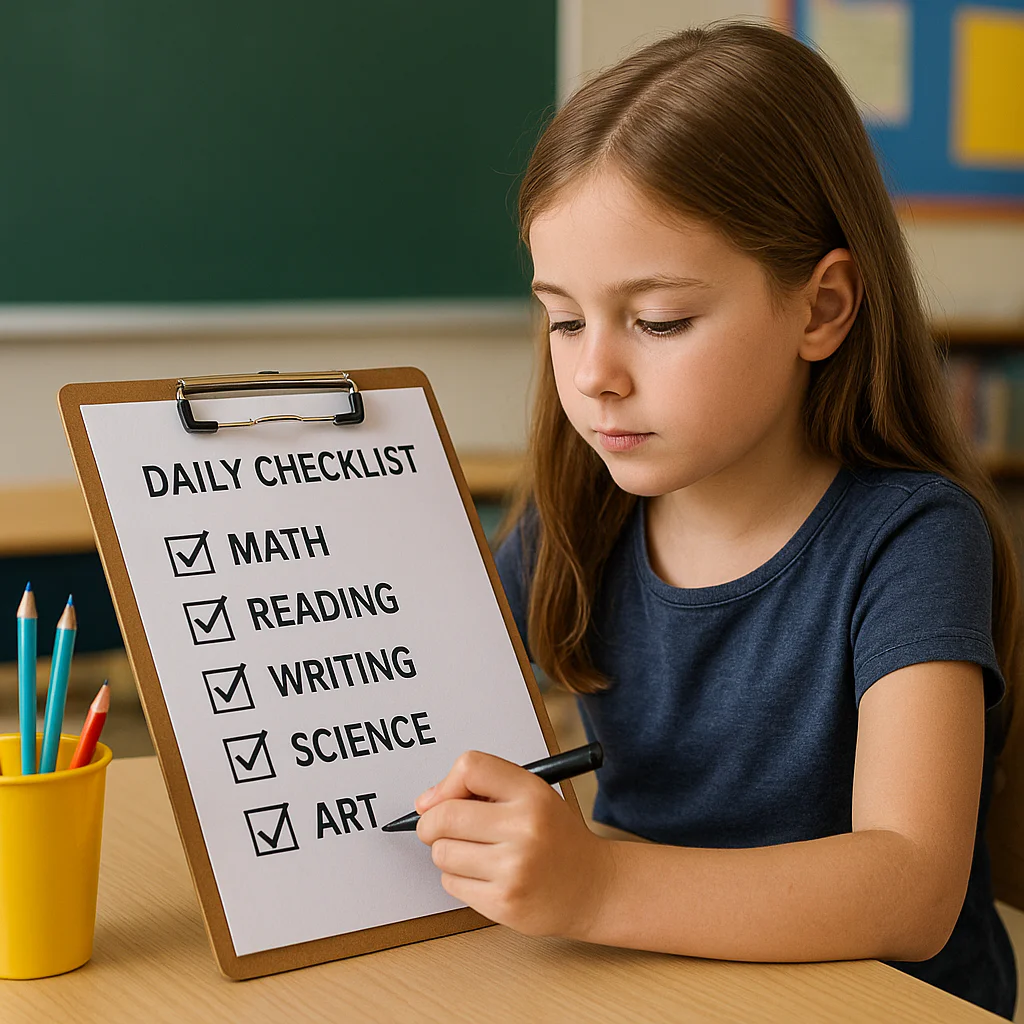

Imagine a classroom where every student knows exactly what to do, when to do it, and feels confident ticking off each task as they go. Sounds like a dream, right? Well, that’s the magic of daily checklists in education — a deceptively simple tool that transforms chaos into clarity, stress into success. From boosting memory retention to fostering responsibility and even improving motivation, daily checklists are quietly revolutionizing how students learn and teachers teach.
In this article, we’ll unpack 10 powerful benefits of daily checklists in education, share expert tips on crafting the perfect checklist, and reveal real-life stories that prove these lists aren’t just paper—they’re game changers. Curious how a humble checklist can turn your classroom or study routine into a productivity powerhouse? Keep reading, because the answer might surprise you!
Key Takeaways
- Daily checklists enhance organization and time management, helping students prioritize and complete tasks efficiently.
- They boost cognitive skills and memory retention by breaking down complex assignments into manageable steps.
- Checklists foster student accountability and independence, crucial for lifelong learning success.
- Integrating technology like Google Classroom or Trello can supercharge checklist effectiveness for both teachers and students.
- Creative checklist use can increase motivation and reduce stress, turning overwhelming workloads into achievable goals.
Ready to simplify your day and empower learning? Let’s dive into why daily checklists deserve a starring role in education!
Table of Contents
- ⚡️ Quick Tips and Facts About Daily Checklists in Education
- 📚 The Evolution and Educational Significance of Daily Checklists
- 🎯 Why Daily Checklists Are Essential for Student Success
- 🧠 How Daily Checklists Boost Cognitive Skills and Memory Retention
- 📅 7 Powerful Benefits of Using Daily Checklists in the Classroom
- 📝 Crafting the Perfect Daily Checklist: Tips for Educators and Students
- 📊 Integrating Technology: Best Apps and Tools for Daily Checklists in Education
- 👩 🏫 Real-Life Success Stories: How Daily Checklists Transformed Learning Experiences
- 🚸 Setting Expectations: Using Daily Checklists to Foster Responsibility in Students
- 🎉 Creative Ideas to Motivate Students to Use Their Daily Checklists Consistently
- 📋 Sample Daily Checklist Templates for Different Educational Levels
- 🔧 Helpful Tools and Resources for Implementing Daily Checklists in Schools
- 💡 Expert Advice: Overcoming Common Challenges with Daily Checklists
- 🔍 Research Insights: Studies Supporting the Effectiveness of Daily Checklists in Education
- 📚 Recommended Reading and Resources on Educational Checklists
- ✅ Conclusion: Making Daily Checklists a Cornerstone of Effective Education
- 🔗 Recommended Links for Further Exploration
- ❓ FAQ: Your Burning Questions About Daily Checklists in Education Answered
- 📑 Reference Links and Credible Sources
Quick Tips and Facts About Daily Checklists in Education
To understand the importance of daily checklists in education, let’s first link to a related article about What is the importance of daily checklist? for a deeper dive. Daily checklists are not just about organizing tasks; they are a powerful tool for fostering responsibility, independence, and life skills in students. According to Treehouse Schoolhouse, involving children in chores and daily tasks helps them develop valuable life skills and empowers them with a sense of accomplishment. But how do we implement these checklists effectively?
Benefits of Daily Checklists
- Enhanced Organization: Daily checklists help students and educators stay organized, ensuring that all tasks and assignments are completed on time.
- Improved Time Management: By prioritizing tasks, students learn to manage their time more effectively, balancing schoolwork with other activities.
- Increased Accountability: Checklists promote a sense of responsibility, encouraging students to take ownership of their work and actions.
- Better Goal Setting: Daily checklists help students set and achieve short-term and long-term goals, fostering a growth mindset.
Creating Effective Daily Checklists
To create an effective daily checklist, consider the following:
- Keep it Simple: Avoid overwhelming students with too many tasks. Focus on the most important activities and break them down into manageable chunks.
- Make it Visual: Incorporate visual elements like charts, graphs, or pictures to make the checklist more engaging and easy to follow.
- Involve Students: Encourage students to participate in creating their own checklists, helping them feel more invested in the process.
- Review and Adjust: Regularly review the checklist with students and make adjustments as needed to ensure it remains relevant and effective.
The Evolution and Educational Significance of Daily Checklists
Daily checklists have evolved significantly over time, from simple to-do lists to comprehensive tools that support learning and personal development. According to Pon Harvard, the concept of checklists can be applied to various aspects of education, including negotiation skills and preparation. But what makes daily checklists so significant in education?
Historical Context
The use of daily checklists in education dates back to the early 20th century, when educators began recognizing the importance of organization and time management in student success. Over the years, checklists have become more sophisticated, incorporating elements of goal setting, self-assessment, and reflection.
Educational Significance
Daily checklists are more than just a tool for completing tasks; they are a means of promoting critical thinking, problem-solving, and self-directed learning. By using checklists, students develop essential skills that benefit them throughout their lives, including adaptability, resilience, and self-awareness.
Why Daily Checklists Are Essential for Student Success
So, why are daily checklists essential for student success? The answer lies in their ability to promote structure, routine, and accountability. According to Treehouse Schoolhouse, daily checklists help students develop a sense of responsibility and independence, which are critical for achieving academic and personal goals.
Real-Life Success Stories
Let’s consider a real-life example. A second-grade teacher used Google Classroom to manage daily learning for distance education, emphasizing a “daily checklist” approach. The daily checklist served as a flexible agenda for students, outlining all subjects and tasks for the day. This approach helped students stay organized, focused, and motivated, leading to improved academic performance and increased confidence.
How Daily Checklists Boost Cognitive Skills and Memory Retention
Daily checklists can have a significant impact on cognitive skills and memory retention. By using checklists, students can improve their working memory, attention, and processing speed. According to Pon Harvard, checklists can help students develop a growth mindset, which is essential for overcoming obstacles and achieving success.
The Science Behind Checklists
Research has shown that checklists can improve cognitive function by reducing cognitive load and increasing focus. By breaking down complex tasks into simpler, more manageable chunks, checklists help students stay organized and avoid feeling overwhelmed.
7 Powerful Benefits of Using Daily Checklists in the Classroom
So, what are the benefits of using daily checklists in the classroom? Here are 7 powerful benefits:
- Improved Organization: Daily checklists help students and educators stay organized, ensuring that all tasks and assignments are completed on time.
- Increased Accountability: Checklists promote a sense of responsibility, encouraging students to take ownership of their work and actions.
- Enhanced Time Management: By prioritizing tasks, students learn to manage their time more effectively, balancing schoolwork with other activities.
- Better Goal Setting: Daily checklists help students set and achieve short-term and long-term goals, fostering a growth mindset.
- Improved Cognitive Function: Checklists can improve cognitive function by reducing cognitive load and increasing focus.
- Increased Motivation: Daily checklists can help students stay motivated and engaged, providing a sense of accomplishment and satisfaction.
- Better Parent-Teacher Communication: Checklists can facilitate communication between parents and teachers, ensuring that everyone is on the same page.
Crafting the Perfect Daily Checklist: Tips for Educators and Students
So, how do you craft the perfect daily checklist? Here are some tips for educators and students:
- Keep it Simple: Avoid overwhelming students with too many tasks. Focus on the most important activities and break them down into manageable chunks.
- Make it Visual: Incorporate visual elements like charts, graphs, or pictures to make the checklist more engaging and easy to follow.
- Involve Students: Encourage students to participate in creating their own checklists, helping them feel more invested in the process.
- Review and Adjust: Regularly review the checklist with students and make adjustments as needed to ensure it remains relevant and effective.
Integrating Technology: Best Apps and Tools for Daily Checklists in Education
There are many apps and tools available that can help educators and students create and manage daily checklists. Some popular options include:
- Google Classroom: A free platform that allows educators to create and share daily checklists with students.
- Trello: A project management tool that can be used to create and manage daily checklists.
- Evernote: A note-taking app that can be used to create and manage daily checklists.
Real-Life Success Stories: How Daily Checklists Transformed Learning Experiences
Let’s consider a real-life example. A teacher used daily checklists to help her students stay organized and focused. The checklists included tasks such as completing homework, reading assignments, and practicing math problems. By using the checklists, students were able to stay on top of their work and achieve better grades.
Setting Expectations: Using Daily Checklists to Foster Responsibility in Students
Daily checklists can be used to set expectations and foster responsibility in students. By providing a clear outline of tasks and responsibilities, checklists can help students understand what is expected of them and take ownership of their work.
Creative Ideas to Motivate Students to Use Their Daily Checklists Consistently
So, how can you motivate students to use their daily checklists consistently? Here are some creative ideas:
- Make it Fun: Incorporate games, challenges, or rewards into the checklist to make it more engaging and fun.
- Involve Students: Encourage students to participate in creating their own checklists, helping them feel more invested in the process.
- Provide Feedback: Regularly review the checklist with students and provide feedback on their progress.
Sample Daily Checklist Templates for Different Educational Levels
Here are some sample daily checklist templates for different educational levels:
- Elementary School: A simple checklist that includes tasks such as completing homework, reading assignments, and practicing math problems.
- Middle School: A more detailed checklist that includes tasks such as completing homework, studying for tests, and participating in extracurricular activities.
- High School: A comprehensive checklist that includes tasks such as completing homework, studying for tests, and preparing for college applications.
Helpful Tools and Resources for Implementing Daily Checklists in Schools
There are many tools and resources available that can help educators implement daily checklists in schools. Some popular options include:
- Daily Checklist Templates: Pre-made templates that can be customized to fit the needs of individual students or classrooms.
- Checklist Apps: Apps that allow educators to create and manage daily checklists, such as Google Classroom or Trello.
- Professional Development: Workshops or training sessions that provide educators with the skills and knowledge they need to effectively implement daily checklists.
Expert Advice: Overcoming Common Challenges with Daily Checklists
So, how can you overcome common challenges with daily checklists? Here are some expert tips:
- Start Small: Begin with a simple checklist and gradually add more tasks and responsibilities as students become more comfortable with the process.
- Be Flexible: Be willing to make adjustments to the checklist as needed to ensure it remains relevant and effective.
- Provide Support: Offer support and guidance to students as they work to complete their checklists, helping them to stay on track and overcome obstacles.
Research Insights: Studies Supporting the Effectiveness of Daily Checklists in Education
There are many studies that support the effectiveness of daily checklists in education. According to Pon Harvard, daily checklists can improve cognitive function, increase motivation, and enhance overall academic performance.
Recommended Reading and Resources on Educational Checklists
For more information on educational checklists, we recommend the following resources:
- “The Checklist Manifesto” by Atul Gawande: A book that explores the use of checklists in various fields, including education.
- “Daily Checklist Templates” by Daily Checklist: A collection of pre-made templates that can be customized to fit the needs of individual students or classrooms.
- “Checklist Apps” by Google Classroom: A platform that allows educators to create and manage daily checklists, as well as track student progress and provide feedback. You can find more information on Google Classroom on their official website.
To explore more tools and resources, you can visit Habit Formation and Morning Routines on our website. For a more relaxed approach to technology, check out Digital Detox. For practical life hacks, visit Life Hacks.
👉 CHECK PRICE on:
- Google Classroom | Trello | Evernote
- Daily Checklist Templates: Daily Checklist | Google Classroom | Trello
- Checklist Apps: Google Classroom | Trello | Evernote
Conclusion: Making Daily Checklists a Cornerstone of Effective Education

After exploring the multifaceted importance of daily checklists in education, it’s clear these simple tools pack a powerful punch. From boosting student responsibility and time management to enhancing cognitive skills and fostering independence, daily checklists are an indispensable part of modern learning environments. Whether you’re a teacher managing a bustling classroom or a student striving to stay on top of assignments, checklists provide clarity, structure, and motivation.
We’ve seen how checklists evolve beyond mere task lists into strategic tools that promote goal setting, reflection, and adaptability—critical skills for lifelong success. Real-life stories and research back this up, showing improved academic outcomes and reduced stress when daily checklists are used consistently.
If you’re wondering how to get started or improve your current system, remember: start simple, involve students, and make it visually engaging. Technology like Google Classroom, Trello, and Evernote can supercharge your checklist game, but even a well-crafted paper checklist can work wonders.
So, what’s the final verdict? Daily checklists are not just helpful—they’re essential. They transform chaotic days into manageable, purposeful routines and empower learners to take charge of their education. Ready to simplify your day and supercharge learning? Daily checklists are your secret weapon.
Recommended Links for Further Exploration and Shopping
- Google Classroom: Google Classroom Official Site | Amazon Search: Google Classroom Tools
- Trello: Trello Official Site | Amazon Search: Trello Accessories
- Evernote: Evernote Official Site | Amazon Search: Evernote Accessories
- Daily Checklist Templates: Daily Checklist™ Templates
- Books on Checklists and Productivity:
- The Checklist Manifesto by Atul Gawande: Amazon Link
- Atomic Habits by James Clear (for habit formation and routines): Amazon Link
- Treehouse Schoolhouse – 100 Life Skills to Intentionally Teach Your Children: Treehouse Schoolhouse Blog
FAQ: Your Burning Questions About Daily Checklists in Education Answered

What are effective tips for creating daily checklists in an educational setting?
Creating effective daily checklists starts with clarity and simplicity. Break down complex tasks into manageable steps, use visual aids like icons or color coding, and tailor the checklist to the age and abilities of students. Involve students in the creation process to boost ownership and motivation. Regularly review and adjust the checklist to keep it relevant and effective. For more on habit formation and routines, check out our Habit Formation and Morning Routines categories.
Can daily checklists help reduce stress and increase productivity for students?
✅ Absolutely! Daily checklists reduce cognitive overload by externalizing tasks, so students don’t have to hold everything in their heads. This clarity lowers anxiety and helps prioritize what’s important, leading to increased productivity. When students see progress visually, it boosts motivation and confidence, creating a positive feedback loop.
What are the benefits of using daily checklists for teachers in the classroom?
Daily checklists help teachers maintain classroom organization, track student progress, and ensure curriculum goals are met. They facilitate better communication with students and parents, and support differentiated instruction by allowing customization for individual needs. Checklists also save time by streamlining lesson planning and daily routines.
How do daily checklists improve student organization and time management?
By outlining tasks with clear deadlines and priorities, checklists teach students to plan their day effectively. They encourage breaking work into chunks, setting realistic goals, and reflecting on accomplishments. Over time, this builds self-discipline and a proactive mindset toward managing time.
How to create an effective daily checklist for classroom management?
Start by listing essential daily routines and responsibilities, such as attendance, homework collection, and transitions between activities. Use simple language and visuals. Incorporate student input to foster engagement. Keep it flexible to adapt to unexpected changes. Use digital tools like Google Classroom for easy updates and sharing.
Can daily checklists help reduce stress in educational settings?
Yes, they provide predictability and structure, which are key to reducing stress. Knowing what to expect and having a clear plan helps both students and teachers feel more in control. This is especially valuable during transitions, exams, or remote learning scenarios.
How do daily checklists support goal setting for students?
Checklists break down larger goals into daily actionable steps, making progress measurable and achievable. They encourage reflection on what was accomplished and what needs improvement, fostering a growth mindset and continuous learning.
Can daily checklists help with time management in education?
Definitely. They teach prioritization, help avoid procrastination, and encourage consistent work habits. When students see their tasks laid out, they can allocate time effectively and avoid last-minute cramming.
What are the benefits of using a daily checklist for teachers?
Teachers gain a reliable framework for managing classroom activities, tracking student work, and communicating expectations. This reduces burnout and increases instructional effectiveness.
Why is it important to have a student checklist?
Student checklists promote self-regulation, accountability, and independence. They help students internalize routines and develop lifelong organizational skills.
Why are checklists important in teaching?
Checklists ensure that essential content and skills are covered systematically. They help teachers maintain consistency, track progress, and provide clear expectations, which benefits both teaching and learning outcomes.
Reference Links and Credible Sources
- Treehouse Schoolhouse – 100 Life Skills to Intentionally Teach Your Children
- Pon Harvard – Negotiation Preparation Checklist
- Google Classroom Official Site
- Trello Official Site
- Evernote Official Site
- Atul Gawande’s The Checklist Manifesto on Amazon
- James Clear’s Atomic Habits on Amazon
For more insights on habit formation and routines, visit our Habit Formation and Morning Routines categories at Daily Checklist™.