Support our educational content for free when you purchase through links on our site. Learn more

📝 What is a Daily List? 15 Secrets to Master Your Day (2026)
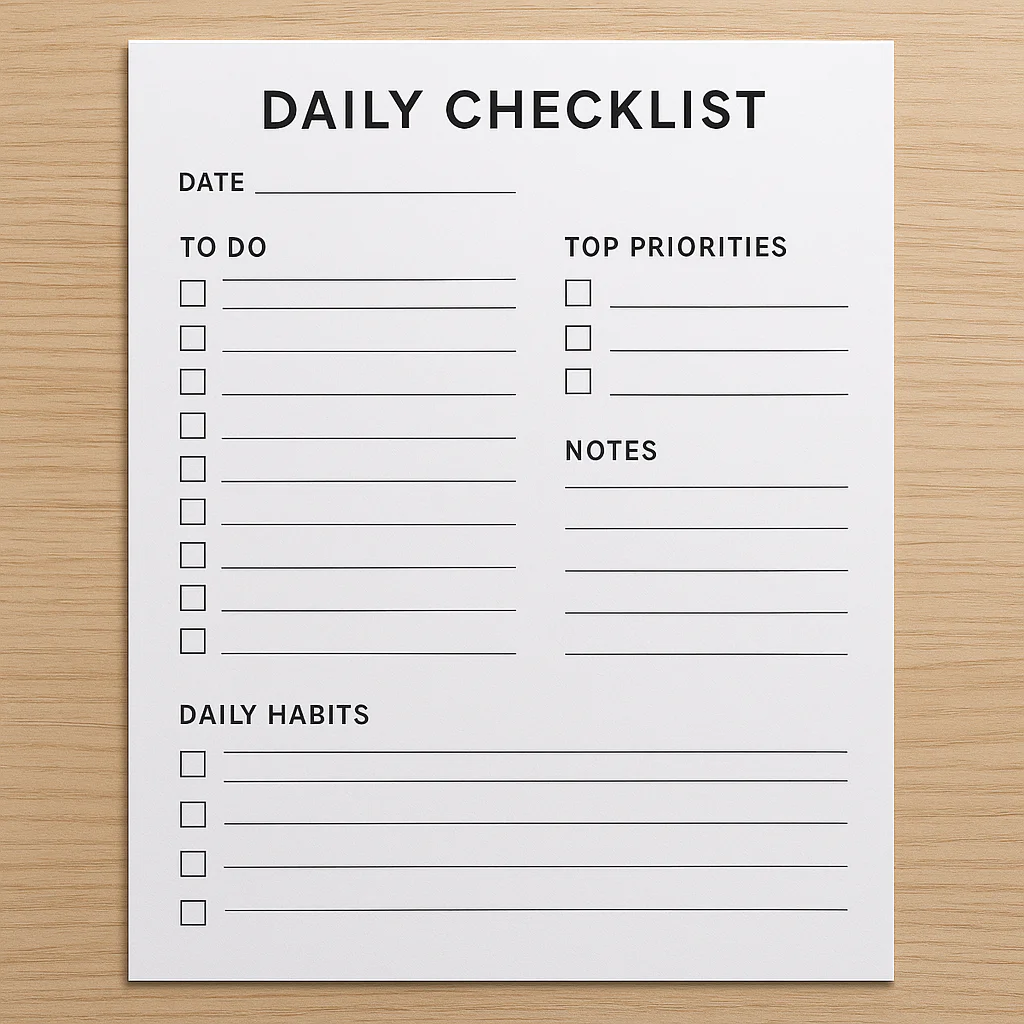
Ever feel like your brain is a browser with too many tabs open, each one playing a different song of “do this,” “remember that,” and “oh no, I forgot”? You are not alone. At Daily Checklist™, we’ve seen brilliant minds crumble under the weight of unorganized thoughts, only to bounce back with a simple piece of paper and a pen. But what exactly is a daily list? Is it just a mundane chore tracker, or is it the secret weapon of CEOs, artists, and parents who somehow manage to conquer the chaos?
The answer lies somewhere between a strategic roadmap and a psychological safety net. While dictionaries might define a “Daily Official List” as a bureaucratic record of appointments, we define it as your personal command center for intentional living. In this guide, we’re not just giving you a definition; we’re handing you the keys to a productivity revolution. We’ll dive into the 15 proven strategies that separate the busy from the productive, explore why your brain literally craves a list, and reveal how AI is rewriting the rules of task management. By the end, you’ll know exactly how to transform a simple list into a life-changing tool.
Key Takeaways
- Definition Redefined: A daily list is more than a task tracker; it is a dynamic system for prioritizing, focusing, and reducing cognitive load.
- The Power of 15: We uncover 15 specific strategies to master your list, from “verbing” your tasks to the art of the “not-to-do” list.
- Science-Backed: Research shows that writing tasks down can increase the likelihood of completion by up to 42% compared to keeping them in your head.
- Flexibility is Key: Whether you prefer pen and paper or AI-driven apps, the best list is the one you actually use consistently.
- Actionable Results: Learn how to break down overwhelming projects into bite-sized chunks that guarantee daily progress.
Table of Contents
- ⚡️ Quick Tips and Facts
- 📜 The Evolution of the Daily List: From Clay Tablets to Cloud Sync
- 🤔 What Exactly Is a Daily List? (Beyond the Basic Definition)
- 🧠 The Psychology of Productivity: Why Your Brain Craves a To-Do List
- 🆚 Daily vs. Weekly vs. Monthly: Choosing the Right Rhythm for Your Life
- 🛠️ 15 Proven Strategies to Master Your Daily List
- 1. Capture Everything Before You Start
- 2. Distinguish Between Urgent and Important Tasks
- 3. Start Every Item with a Strong Action Verb
- 4. Set Realistic Deadlines for Every Single Item
- 5. Break Down Overwhelming Projects into Bite-Sized Chunks
- 6. Batch Similar Tasks to Minimize Context Switching
- 7. Limit Your List to the Top 3 Priorities
- 8. Schedule Time Blocks for Deep Work
- 9. Track the “Not-To-Do” List to Avoid Burnout
- 10. Review and Reset Your List Every Morning
- 1. Celebrate Small Wins to Boost Dopamine
- 12. Identify and Eliminate Task Straglers
- 13. Turn Off Notifications While Executing Tasks
- 14. Collaborate on Shared Lists for Team Alignment
- 15. Conduct a Weekly List Audit
- 📝 Real-World Daily List Examples for Every Lifestyle
- Example 1: The Busy Parent’s Survival Guide
- Example 2: The Freelancer’s Project Pipeline
- Example 3: The Remote Team’s Daily Standup
- 📱 Paper vs. Digital: Finding Your Perfect Daily List Medium
- The Unbeatable Charm of Pen and Paper
- The Power of Mobile App Functionality
- Desktop Apps: When You Need Deep Focus
- Real-Time Collaboration Features That Actually Work
- 🤖 AI and Automation: How Smart Tools Are Rewriting the Rules of Daily Lists
- ❓ Frequently Asked Questions About Daily Lists
- 🏁 Conclusion
- 🔗 Recommended Links
- 📚 Reference Links
Quick Tips and Facts
To get the most out of your daily list, start by understanding what should be on it. Check out our related article on what should be on your daily checklist for a comprehensive guide. A daily list is essentially a tool to help you stay organized, manage your time effectively, and achieve your goals. It’s a simple yet powerful way to boost your productivity and reduce stress. Here are some quick tips and facts to get you started:
- Write it down: Don’t rely on your memory to keep track of your tasks. Write them down in a notebook, app, or digital tool.
- Make it specific: Instead of vague tasks like “be more productive,” break them down into specific, actionable items like “respond to 10 emails” or “complete project report.”
- Prioritize: Identify the most important tasks and tackle them first.
- Use deadlines: Set realistic deadlines for each task to help you stay on track.
- Review and adjust: Regularly review your list and adjust it as needed to ensure you’re on track to meet your goals.
The Evolution of the Daily List: From Clay Tablets to Cloud Sync
The concept of a daily list has been around for thousands of years, with ancient civilizations using clay tablets and papyrus to keep track of their tasks. Fast forward to the digital age, and we have a plethora of tools and apps at our disposal to manage our daily lists. From paper-based planners to digital apps like Trello and Asana, the options are endless. But what makes a daily list effective? Is it the tool itself, or the way we use it? Let’s explore the evolution of the daily list and how it has impacted our productivity.
What Exactly Is a Daily List? (Beyond the Basic Definition)
A daily list is more than just a list of tasks to be completed. It’s a tool for achieving your goals, a means of managing your time, and a way to reduce stress. It’s a personalized system that helps you stay focused, motivated, and productive. But what exactly should be on your daily list? Should it include personal tasks, work tasks, or a combination of both? The answer depends on your individual needs and goals. Check out our article on habit formation for more tips on creating a daily list that works for you.
The Psychology of Productivity: Why Your Brain Craves a To-Do List
Our brains are wired to respond to structure and routine. A daily list provides a sense of control and organization, which can help reduce stress and anxiety. By breaking down large tasks into smaller, manageable chunks, we can avoid feeling overwhelmed and stay motivated. But why do we crave a to-do list in the first place? Is it because of the satisfaction of checking off tasks, or the fear of forgetting something important? Whatever the reason, a daily list can be a powerful tool for boosting productivity and achieving our goals.
Daily vs. Weekly vs. Monthly: Choosing the Right Rhythm for Your Life
When it comes to creating a daily list, it’s essential to consider the right rhythm for your life. Do you prefer a daily, weekly, or monthly approach? The answer depends on your individual needs and goals. A daily list is ideal for short-term planning, while a weekly or monthly list may better suited for long-term planning. Consider your work schedule, personal commitments, and goals when deciding on the right rhythm for your life.
15 Proven Strategies to Master Your Daily List
Here are 15 proven strategies to help you master your daily list:
- Capture Everything: Write down all your tasks, ideas, and reminders in one place.
- Create Multiple Lists: Use separate lists for different areas of your life, such as work, personal, and family.
- Organize by Workflow, Priority, or Due Date: Use categories, tags, or colors to organize your tasks.
- Make it Actionable: Use specific, actionable language when writing your tasks.
- Prioritize Your To-Dos: Identify the most important tasks and tackle them first.
- Always Include a Deadline: Set realistic deadlines for each task.
- Break Big Work into Smaller Tasks: Divide large tasks into smaller, manageable chunks.
- Batch Similar Tasks: Group similar tasks together to minimize context switching.
- Celebrate Progress: Acknowledge and celebrate your progress along the way.
- Review at End of Day: Review your list at the end of each day to plan for the next day.
- Turn Off Notifications: Minimize distractions by turning off notifications during focus time.
- Track What You Don’t Need to Do: Identify tasks that are no longer necessary or can be delegated.
- Watch for Straglers: Identify tasks that are overdue or need attention.
- Collaborate on One Platform: Use a shared platform to collaborate with team members or family.
- Conduct a Weekly List Audit: Regularly review and adjust your list to ensure it’s working for you.
Real-World Daily List Examples for Every Lifestyle
Here are some real-world examples of daily lists for different lifestyles:
- The Busy Parent’s Survival Guide: Create a daily list that includes tasks such as “drop off kids at school,” “pick up groceries,” and “prepare dinner.”
- The Freelancer’s Project Pipeline: Create a daily list that includes tasks such as “respond to client emails,” “work on project report,” and “make phone calls.”
- The Remote Team’s Daily Standup: Create a daily list that includes tasks such as “attend virtual meeting,” “work on project tasks,” and “collaborate with team members.”
Paper vs. Digital: Finding Your Perfect Daily List Medium
When it comes to choosing a daily list medium, there are two main options: paper and digital. Both have their pros and cons. Paper-based planners offer a tactile experience and can be more engaging, while digital apps offer convenience and accessibility. Consider your personal preferences and work style when deciding between paper and digital.
AI and Automation: How Smart Tools Are Rewriting the Rules of Daily Lists
With the rise of AI and automation, daily lists are becoming more intelligent and adaptive. Tools like Asana and Trello offer features such as task automation, due date reminders, and collaboration tools. These smart tools can help you streamline your workflow, reduce errors, and increase productivity.
Frequently Asked Questions About Daily Lists
Here are some frequently asked questions about daily lists:
What tools can you use to manage your to-do list?
There are many tools available to manage your to-do list, including Trello, Asana, and Todoist.
What is a daily task sheet?
A daily task sheet is a physical or digital document that outlines your tasks and activities for the day.
What is a daily task?
A daily task is a specific activity or task that needs to be completed on a daily basis.
How do I make a daily list?
To make a daily list, start by writing down all your tasks, ideas, and reminders in one place. Then, prioritize your tasks and break them down into smaller, manageable chunks.
How do I create an effective daily checklist?
To create an effective daily checklist, start by identifying your goals and priorities. Then, break down your tasks into smaller, actionable items and prioritize them.
What are the benefits of using a daily to-do list?
The benefits of using a daily to-do list include increased productivity, reduced stress, and improved time management.
Should I plan my daily list the night before?
Yes, planning your daily list the night before can help you stay focused and prepared for the next day.
What is the best app for managing daily checklists?
There are many apps available for managing daily checklists, including Trello, Asana, and Todoist. The best app for you will depend on your personal preferences and work style.